Technology
Sunday, July 5, 2026
AI Policy and Governance in Education
As artificial intelligence rapidly reshapes various sectors, policymakers are taking proactive steps to integrate AI literacy into primary and secondary education. Congressman Fine has introduced the K-12 AI Literacy and Readiness Act of 2026, a significant legislative effort aimed at preparing the next generation for an AI-driven world. This act underscores a growing recognition within government that a structured approach is necessary to equip students with essential AI knowledge and skills.
The proposed legislation seeks to establish national guidelines and resources for AI education, potentially influencing curriculum development, teacher training, and technological infrastructure in schools across the country. By focusing on "literacy and readiness," the act suggests a comprehensive strategy that goes beyond mere exposure to AI tools, emphasizing a deeper understanding of AI principles, ethics, and practical applications.
This legislative move signals a critical juncture for education, where the development of digital and AI competencies is becoming as fundamental as traditional subjects. The Act of 2026 highlights a commitment to ensuring that American students are not only consumers of AI but also informed participants and innovators in its ongoing evolution, setting a precedent for future educational policies in the technological age.
K-12 AI Integration and Challenges
The integration of artificial intelligence into K-12 classrooms is gaining significant momentum, marked by widespread adoption and an increasing demand for support, as highlighted in Microsoft's new AI in Education Report. This rapid expansion is not without its complexities, prompting a tide of concern from US parents and experts regarding the ethical implications, pedagogical effectiveness, and potential risks associated with AI use in young learners' environments.
Acknowledging both the opportunities and challenges, educators and industry leaders are actively collaborating to define the path forward. Recently, New York City educators and tech giants like Google convened to shape the future of AI in classrooms. These gatherings aim to develop best practices, address concerns, and ensure that AI tools are implemented responsibly and effectively to enhance learning outcomes.
The discussions at these forums often revolve around striking a balance between leveraging AI's potential for personalized learning and administrative efficiency, while mitigating risks such as data privacy, algorithmic bias, and over-reliance on technology. The collective effort underscores a critical period where the foundational principles for AI in K-12 education are being established, with a strong emphasis on informed decision-making and community engagement.
Higher Education Transformation by AI
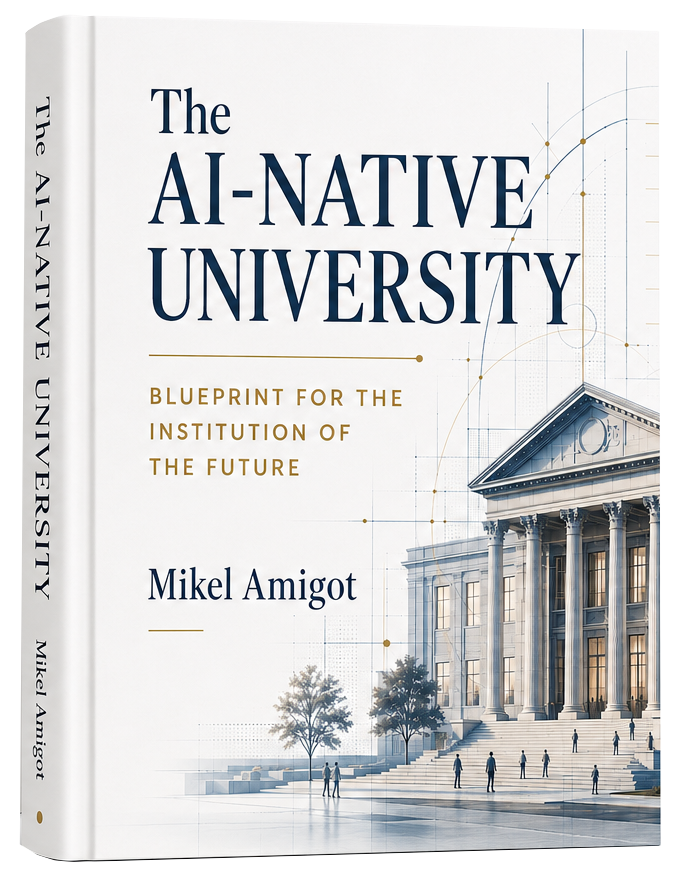
Higher education institutions are grappling with the profound implications of artificial intelligence, necessitating strategic guidance for university leaders in 2026 to navigate this transformative era. As America approaches its 250th anniversary, the landscape of higher education is undergoing fundamental changes, with AI serving as a primary catalyst for rethinking traditional academic models, curriculum design, and pedagogical approaches.
An opinion piece provocatively titled "Rethinking the academy in the Age of AI" highlights the urgent need for universities to not merely adopt AI tools, but to fundamentally reconsider their mission, values, and operational frameworks. This involves critical discussions around the future of research, the evolving role of faculty, the skills graduates will need, and how institutions can remain relevant and impactful in a world increasingly shaped by intelligent machines.
Strategic guidance for university leaders emphasizes the importance of developing comprehensive AI strategies that encompass ethical considerations, faculty development, infrastructure investments, and innovative learning environments. The challenge lies in leveraging AI to enhance learning and discovery while preserving the human-centric values and critical thinking that define higher education, ensuring that the academy evolves thoughtfully rather than reactively.
Educator Training for AI
As artificial intelligence becomes an increasingly integral part of educational landscapes, equipping educators with the necessary skills and knowledge is paramount. The year 2026 sees a heightened focus on professional development, with numerous "Best AI Courses for K-12 Teachers" emerging to address this critical need. These training programs are designed to empower teachers to effectively utilize AI tools, understand their pedagogical implications, and foster AI literacy among their students.
Beyond classroom teachers, school leaders also require specialized training to guide their institutions through the complexities of AI integration. Courses tailored for "AI Training for Teachers and School Leaders" provide essential guidance on policy development, ethical considerations, technology infrastructure, and strategic planning related to AI. This dual focus ensures that both practitioners and administrators are prepared to implement AI responsibly and innovatively.
The availability and emphasis on these training courses reflect a proactive approach to educational technology, recognizing that successful AI integration hinges on human expertise. By investing in comprehensive professional development, educational systems aim to transform potential challenges into opportunities, ensuring that AI serves as a powerful tool for enhancing teaching and learning experiences across all levels of K-12 education.
Societal and Economic Implications of AI
The pervasive rise of artificial intelligence is extending its influence far beyond technological sectors, prompting critical reflections on its broader societal and economic consequences. As of July 4, 2026, a significant assessment reveals that "The American Dream in the AI Era" is perceived as "alive but strained." This sentiment underscores a growing apprehension about how AI will reshape economic opportunities, social mobility, and the very fabric of American society.
The 'strained' aspect likely refers to concerns over job displacement, widening income inequality, and the need for new skills in a rapidly evolving job market. While AI promises advancements in productivity and innovation, it also presents challenges in ensuring equitable access to its benefits and mitigating its disruptive potential on traditional career paths and economic stability for many citizens.
This perspective suggests that adapting to the AI era requires more than just technological adoption; it demands fundamental shifts in policy, education, and social support systems to preserve and redefine the promise of the American Dream for future generations. The ongoing dialogue highlights the imperative for society to proactively address these profound implications, ensuring that AI serves to uplift rather than diminish human potential and well-being.