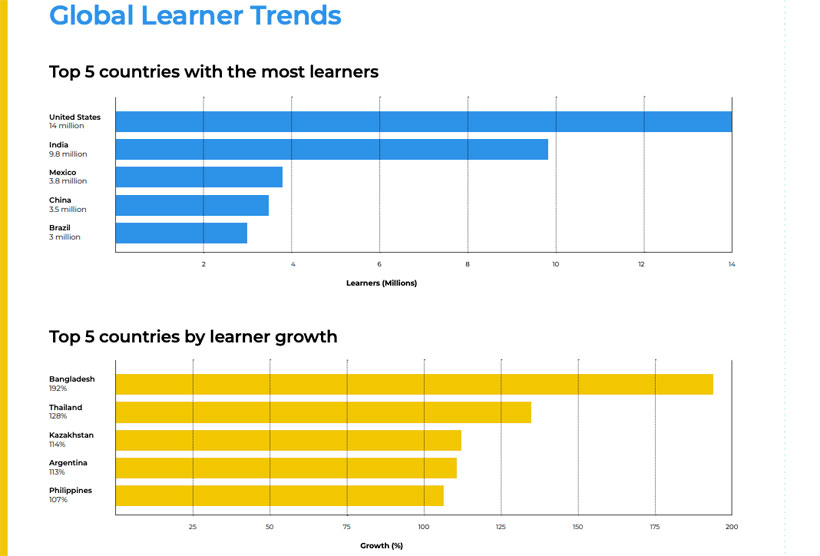




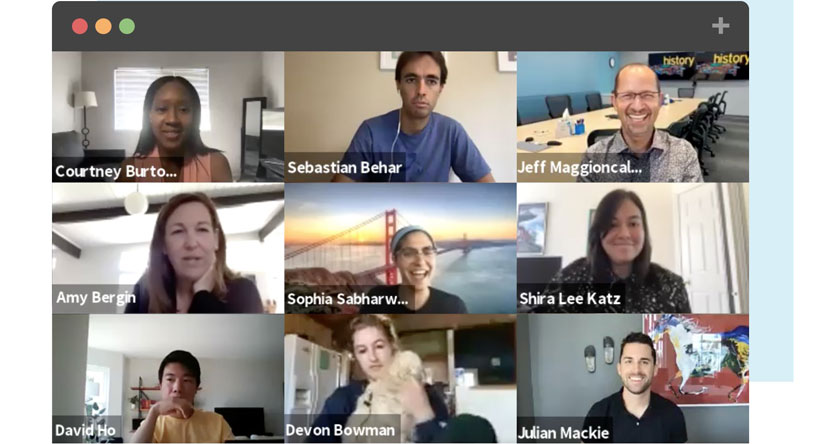

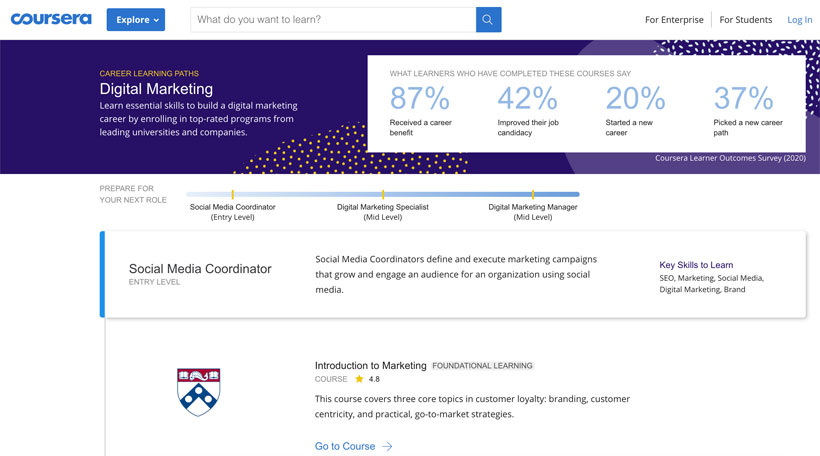

Coursera.org reported yesterday an unprecedented demand on its platform since mid-March, with a surge of 21 million learners and 50 million enrollments, a 353%Â and 444% increase respectively over the same period last year. In addition, thousands of colleges and universities now offer Coursera to enrich their students' learning experience. "What started as a short-term response to a crisis will result in a long-term digital transformation of higher education," explained Jeff Maggioncalda, CEO at Coursera in a blog-post. To analyze the new ways of learning, The Mountain View, California-based company issued the "2020 Impact report", a 26-page PDF document with Coursera's view, along with industry trends. Jeff Maggioncalda wrote:Â "Students globally are seeking high-quality online learning options. Universities are ushering in a new era of digital transformation. Workers are learning job-relevant skills to stay competitive. Public health officials are training thousands of contact tracers at scale."
The University of Cambridge will offer a MicroMasters program of 30 credits on Writing for Performance on edX.org. The program, priced at $1,432, will start in October 2020 and will comprise of 8 courses instructed over a period of 8-months. Learners who complete this micro-degree will be able to apply to the Master of Studies (MSt) in Writing for Performance (180 credits) at the University of Cambridge in the UK. The program is designed for professional dramatists, writers, and those involved in related creative industries or interested to engage with the film, TV, and digital entertainment industries. Johannes Heinlein, VP of Partnerships at edX explained that"creativity is the most sought after soft skill for 2020." The University of Cambridge–with renowned 800-year history– is partnering with the MIT and Harvard's non-profit edX Inc through its Institute of Continuing Education. This MicroMasters is its first offering on edX.org "This collaboration is a critical step to further scale the University’s strategy for online education, whilst at the same time complementing the University’s traditional offer," said Senior Pro-Vice-Chancellor for Education Professor, Graham Virgo. "Throughout the pandemic, we’ve seen the societal importance of high-quality film, television, and radio; they’ve entertained, educated, and lifted our spirits," said Dr. James Gazzard, Director at The University of Cambridge Institute of Continuing Education (ICE). "We hope this new course will engage and inspire future writers, some of whom may aspire to study for a Master’s degree at Cambridge.”
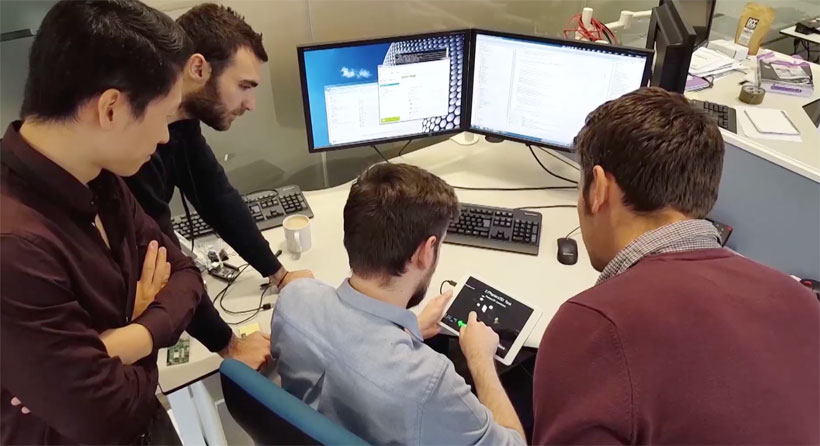
Arm Education launched a free course on edX.org about Embedded Systems which includes a virtual simulator to apply real-world applications [see below]. The class, now open for enrollment, will start on September 15, 2020. It will teach over six modules for six weeks, totaling to about 3-6 hours per week on the fundamentals of the embedded systems that power mobile, wearable, and smart devices of AI and 5G-based Internet of Things (IoT) applications. Arm–the industry-standard microcontroller architecture– designed the course for engineers and developers, especially those interested in IoT. Learners will be able to apply their knowledge of digital and analog I/O, interrupts, low power features, timer and pulse width modulation to program an audio wave generator and audio player, and control peripherals along the way. "Embedded Systems Essentials with Arm: Getting Started" is Arm Education's first course on edX. The Cambridge, the UK-based company, joined the edX consortium this month.
Udacity announced this week that it will award 1,000 Nanodegree program scholarships "to members of the Black community in order to create a more diverse talent pipeline for in-demand skills like machine learning, artificial intelligence, cybersecurity, and data analysis." Top-performing recipients will receive Udacity's career counseling and interview guidance for one year. Recipients will need to be able to commit 10-15 hours per week per program and participate in the student community. The scholarship application period concludes on September 17, 2020. This initiative is part of its Pledge to Equality Scholarship Program. "The release of the scholarship comes at a time when the United States is still grappling with systemic racism, especially in the Black community," said Udacity. "What’s more, this issue forced the tech industry to look inward and reflect on the continued lack of representation that persists in this field."  As of 2019, African- Americans make up, on average, 9% of the jobs in STEM, while the LatinX community makes up 7% of roles in STEM, according to Udacity's data. Udacity has launched other scholarship programs this year in partnership with technology employers like Amazon, Intel, Microsoft, and Alteryx. The Mountain View, California-headquartered learning company said that "it has already awarded 7,000 challenge scholarships and 1,175 Nanodegree scholarships, with an ultimate goal of 20,000 this year, to those who have been laid off due to the COVID-19 pandemic." The company also partnered with the Egyptian government to upskill the country's emerging workforce.
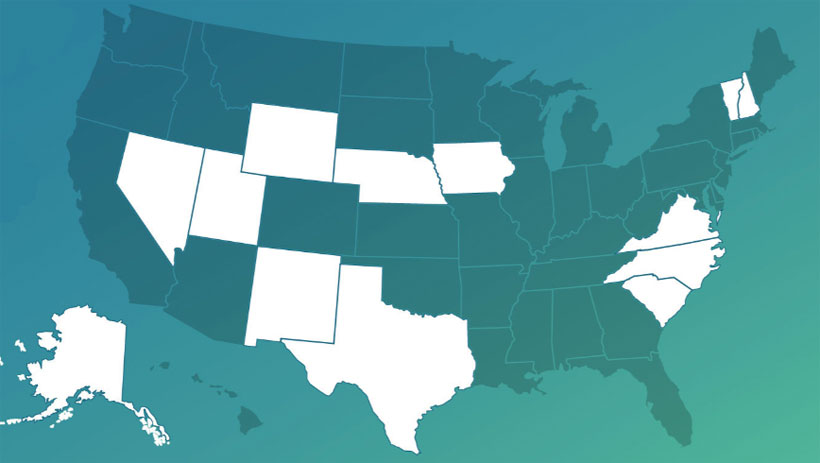
Thirteen U.S. states will offer Canvas LMS as a statewide solution to support blended and online classes amid the pandemic. Instructure, the company behind leading Canvas LMS, announced the partnership agreement yesterday. Statewide deals for LMS solutions have been relatively infrequent until this year. Of the 13 states working with Canvas, four of them were implemented previously to this pandemic year. North Carolina, Utah, and Wyoming offered the LMS for student use across the state, while Texas implemented Canvas as a statewide offering for professional development for its educators. Education officials in Alaska, Iowa, Nebraska, Nevada, New Hampshire, New Mexico, South Carolina, and Utah join the four mentioned states in implementing statewide agreements that allow every district to use Canvas. Wyoming and New Hampshire have made Canvas available for students from kindergarten through college. Schoology also recently announced one statewide deal for its LMS to be made available to districts across Texas. Canvas said that it is providing a platform based on open standards and interoperability that encourage districts to integrate its LMS with other educational technologies. The implementation of statewide deals is often dependent on the individual districts. Each state and each district within the state has differing needs, and with so many states adopting new technologies in the past few months amid the pandemic, education leaders aren't able to implement the purchases immediately. Many states will offer a multi-year implementation to help teachers, students, and parents become more comfortable with the technologies. "We have seen that Canvas creates a more equitable and consistent learning experience for students in the classroom and online whether it's used to support a 2nd-grade spelling assignment, an 8th-grade algebra class, a 12th grade AP English class, or their bachelor's degree honor's thesis," said Melissa Loble, chief customer experience officer at Instructure.