

The newest version of the edX platform –the October 7th release– introduces private discussion cohorts. This feature allows to create smaller communities of students who communicate and share experiences privately within the larger, course-wide community. In addition, the CSV file that contains student profile data includes a Cohort column (as long as the cohorts feature is enabled). Another announcement came from the Engineering blog. The edX-specific version of eXtensible Markup Language (XML) used to format content has been renamed Open Learning XML (OLX), while an alpha version of documentation has been issued.
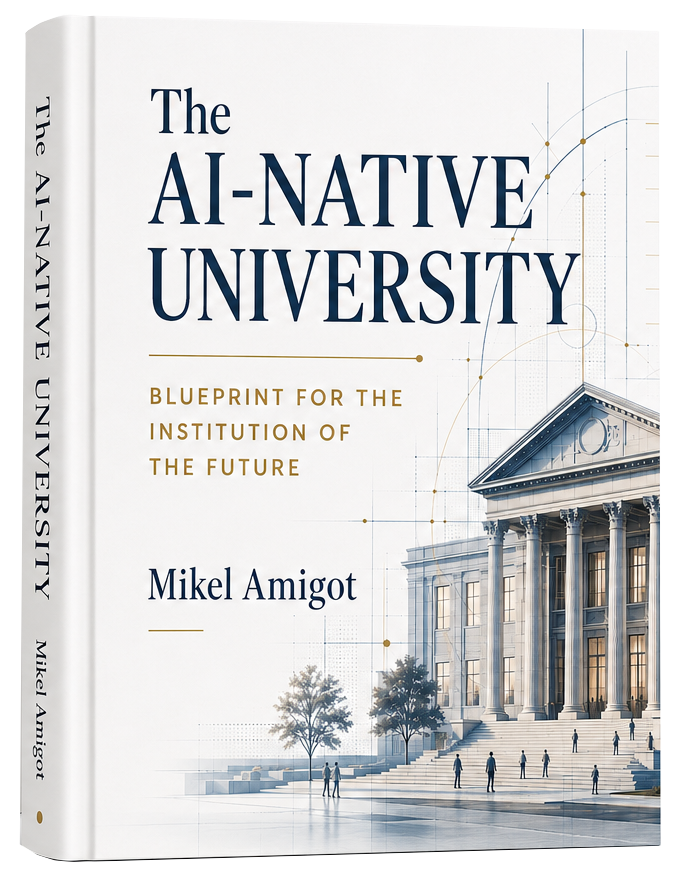
The second edition of our guide to Open edX was released this week. Most of the sections have been updated with new information. In addition, we have launched an HTML version, which is far more convenient than the PDF edition when it comes to following URLs to key pages. No registration or password access is required for either of the formats. The work, written by Michael Amigot, is self-funded and released under the least restrictive Creative Commons license. This free eBook –the first guide related to this technology– explores the most engaging and innovative learning and teaching platform in the world. “It is useful for someone trying to get up-to-speed on the Open edX ecosystem”, according to Piotr Mitros, Chief Scientist at edX. “The eBook itself is a quick read, and looks like a good overview of Open edX. Part 1 is an index of major Open edX adopters. Then there are pointers to key points of documentation (e.g. demo courses demonstrating Open edX functionality). Next, there’s a high level overview of what the components of Open edX are, and what the extension points are. Finally, there are pointers to the major resources about Open edX,” described Mr. Mitros on Google’s Open edX discussion board.
The newest version of the edX platform, released on September 18th, includes a very useful feature, although it might go in the opposite direction of the open education trend: it hides YouTube and non-YouTube videos' URLs. However, the author of the course can allow students to download them. CUSTOM SINGLE SIGN-ON [Update: OpenID 2.0 for Google accounts is going away on April 20. OpenID 2.0 has been superseded by OpenID Connect.] NEW DEMO COURSE On the other hand, there is a new version of the edX demo course, which is interesting for new students and course designers.
The Open edX code works under AGPL, a type of license that prominent open-source advocates like Scott Wilson, Service Manager at OSS Watch, or Dr. Charles R. Severance have loudly criticized. "With a large system like Open edX, one license doesn't fit all purposes, which is why we’ve decided to relicense one part, our XBlock API, under Apache 2.0.," has announced Ned Batchelder, edX Software Architect. "The Apache 2.0 license is permissive: it lets adopters and extenders do what they want with their changes. They can release them under a copyleft license like AGPL, or a permissive license like Apache, or even keep them closed-source," explains Mr. Batchelder.
George Washington University's first MOOC titled "Practical Numerical Methods with Pyton" has attracted nearly 3,000 participants in two weeks since the launching without any PR support or marketing campaign. This course, developed in collaboration with several universities internationally, is being run on an Open edX platform. George Washington is the only other U.S. university apart from Stanford with a serious Open edX deployment outside the edX Consortium. This enrollment growth and the technical deployment has captured the attention of all the main players in the field, from Stanford University to the edX Consortium.