Technology
Monday, March 30, 2026
AI in Education
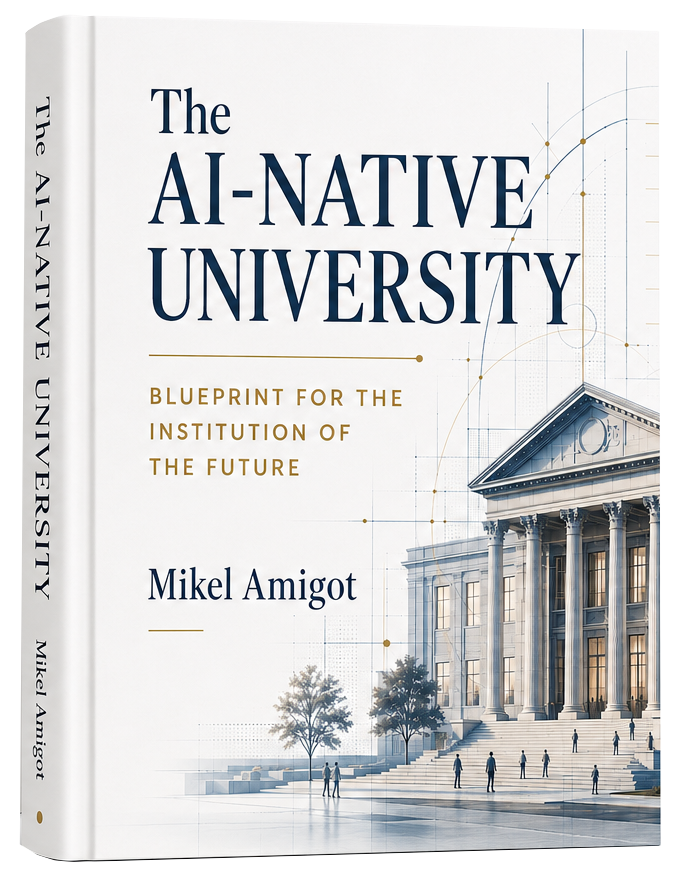
Artificial intelligence is rapidly transforming the education landscape, with its presence growing in classrooms and influencing how students learn. Educators are actively exploring AI's potential, grappling with establishing appropriate guidelines and policies for its use. Investments are being made to expand AI professional development for teachers, aiming to equip them with the necessary skills to effectively integrate AI tools.
Students are also leveraging AI for tasks such as college and major selection, highlighting the growing reliance on these technologies. However, concerns are rising about the potential impact on critical thinking skills as AI becomes more prevalent in homework assistance. There is a push for policy and legislation to address the implications of AI in education, acknowledging its widespread adoption.
AI Workforce Development
The U.S. Department of Labor has launched the 'Make America AI-Ready' initiative, signaling a national effort to prepare the workforce for the growing demand for AI skills. This initiative aims to equip individuals with the necessary knowledge and abilities to thrive in an AI-driven economy.
The focus on workforce expansion in the tech sector, particularly in AI, reflects the broader recognition of the need to adapt to the changing job market. These efforts are crucial for ensuring that the workforce is adequately prepared to meet the challenges and opportunities presented by AI advancements.
EdTech Trends and Policy
The EdTech sector is experiencing rapid growth and evolution, with AI emerging as a central theme. Policymakers are grappling with the implications of AI in education and are actively considering legislation to address its impact. The integration of AI in EdTech raises questions about evidence gaps and the need for robust research to support its effective implementation.
The increasing policy pressure surrounding AI in education reflects the growing recognition of its transformative potential and the importance of establishing clear guidelines and regulations. These developments highlight the need for careful consideration of the ethical, social, and educational implications of AI adoption in schools and classrooms.
AI and Critical Thinking
The increasing use of AI by students for homework and academic tasks has sparked concerns about its potential impact on critical thinking skills. Educators and experts are questioning whether reliance on AI tools may hinder students' ability to develop independent problem-solving and analytical skills.
The debate surrounding AI's role in education emphasizes the need to strike a balance between leveraging its benefits and ensuring that students continue to cultivate essential critical thinking abilities. This requires careful consideration of how AI tools are integrated into the curriculum and how students are guided to use them effectively without compromising their cognitive development.
AI Infrastructure in Education
Saskatchewan's distance learning program is actively working to develop an AI platform specifically tailored for teachers and students. This initiative aims to provide educators with AI-powered tools to enhance instruction and support student learning.
The development of dedicated AI platforms for education reflects a growing trend of investing in infrastructure to facilitate the integration of AI technologies into schools and classrooms. These platforms are designed to provide educators and students with access to AI resources and tools that can improve teaching and learning outcomes.