Technology
Friday, January 30, 2026
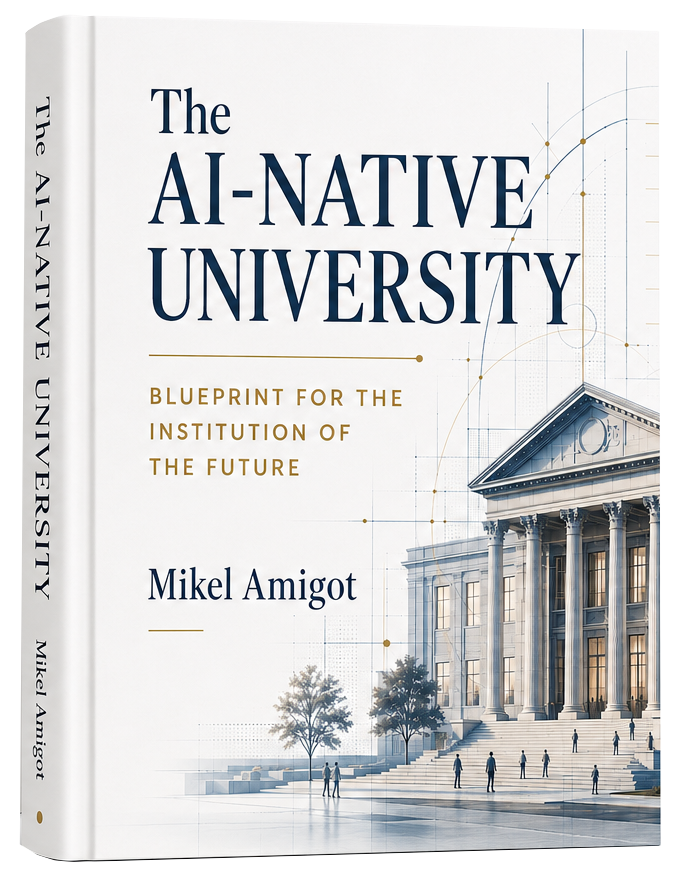
AI Integration in Education
Artificial intelligence is rapidly transforming the educational landscape, with leaders predicting its evolution from experimental add-ons to essential district infrastructure by 2026. AI is expected to play a crucial role in instruction, literacy, tutoring support, attendance and engagement analysis, family communication, curriculum workflows, and administrative tasks.
Educators are increasingly turning to AI tools, and initiatives like OpenAI's education program with national governments and George Mason's College of Education's efforts to advance responsible AI demonstrate a commitment to leveraging AI's potential. However, it is crucial to emphasize human oversight, privacy, governance, and educator training to ensure responsible and effective implementation.
Future of EdTech and AI Efficacy
The future of edtech in 2026 will be significantly shaped by AI, and a key focus will be on demonstrating its efficacy. The debate surrounding AI in education needs to move forward in responsible ways that truly serve students, ensuring it enhances learning outcomes and addresses educational challenges effectively.
The focus needs to shift towards evaluating the impact of AI on student learning and well-being, as well as establishing clear guidelines and ethical frameworks for its deployment. This will involve rigorous research, collaboration between educators and technologists, and a commitment to prioritizing student needs above all else.
AI and Career Advancement
Professionals are increasingly turning to EdTech platforms to enhance their skills and future-proof their careers amidst the rapid advancement of artificial intelligence. The surge in AI enrollments reflects a growing awareness of the need to adapt to the changing job market and acquire expertise in AI-related fields.
This trend highlights the importance of continuous learning and upskilling in the age of AI, as individuals seek to remain competitive and relevant in their respective industries. EdTech platforms are playing a crucial role in providing accessible and flexible learning opportunities to meet this demand.
AI in Standardized Testing
Google Gemini's launch of free SAT practice tests powered by AI represents a significant development in the edtech sector. This initiative has the potential to democratize access to test preparation resources and provide students with personalized learning experiences.
The integration of AI into standardized testing raises questions about the future of test preparation and the role of technology in leveling the playing field for students from diverse backgrounds. The effectiveness and fairness of these AI-powered tools will need to be carefully evaluated to ensure they benefit all students equally.
AI's Role in Schools: State-Level Focus
State governments are placing unprecedented attention on the role of AI in schools, recognizing its potential impact on teaching, learning, and student outcomes. This increased focus reflects a growing awareness of the need to develop policies and guidelines that promote the responsible and effective use of AI in education.
This proactive approach from state governments underscores the importance of addressing the ethical, pedagogical, and practical considerations surrounding AI in schools. It also highlights the need for collaboration between policymakers, educators, and technology experts to ensure that AI is used in ways that benefit students and enhance the quality of education.