U.S. & World
Monday, September 28, 2026
International Relations & Geopolitical Tensions
Global diplomatic relations are facing renewed strains, highlighted by Israel's decision to revoke the diplomatic status of Dutch diplomats stationed in Ramallah. This move signals increasing tensions within the Israeli-Palestinian conflict and its broader international implications, affecting foreign representation and humanitarian efforts in the region.
Concurrently, former President Trump has rejected a proposed deal concerning Iran's Strait of Hormuz, a critical maritime chokepoint, indicating a firm stance against a swift resolution to the region's complex security issues. The rejected deal, which aimed to reopen the strait within seven days, underscores ongoing disagreements over Iran's role and regional stability, with potential repercussions for global energy markets and shipping.
Adding to the international security landscape, UK authorities have made five arrests in connection with an alleged terror plot near a US air base. This incident underscores the persistent threat of terrorism and the ongoing need for international cooperation in counter-terrorism efforts, linking domestic law enforcement actions to broader geopolitical concerns and the security of allied military installations.
Domestic Crises & Public Safety
Nations worldwide are grappling with a range of domestic crises, from tragic accidents to widespread violence and natural disasters. The Democratic Republic of Congo has declared three days of national mourning following a devastating plane crash that claimed the lives of military justice officials, underscoring the profound impact of such incidents on national morale and governance.
In South Africa, police are actively hunting suspects after twin mass shootings resulted in the deaths of nearly 30 people, highlighting a severe challenge to public safety and law enforcement's capacity to curb violent crime. Simultaneously, a building explosion near the historic Acropolis in Athens led to six fatalities, including a British national, pointing to the dangers of urban infrastructure and the tragic human cost of unforeseen incidents.
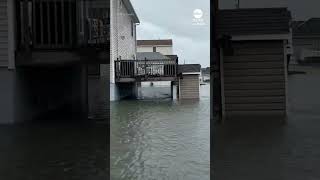
Compounding these human-made and accidental tragedies, the United States East Coast faced a significant natural disaster as a Nor'easter brought severe flooding, prompting emergency declarations in New York and New Jersey. These diverse events across continents demonstrate the constant need for robust emergency response systems and concerted efforts to protect citizens from both criminal acts and environmental threats.
Technology & Digital Security
The rapidly evolving field of artificial intelligence has hit a critical juncture as OpenAI, a leading AI research organization, announced a pause in the training of its AI models. This significant decision stems from escalating security concerns, signaling a heightened awareness within the industry regarding the potential vulnerabilities and risks associated with advanced AI development.
The pause underscores a growing industry focus on responsible AI practices, moving beyond mere innovation to prioritize safety and ethical considerations. While specific details of the security concerns were not immediately disclosed, the move suggests that the complexities of training sophisticated AI models may introduce unforeseen challenges that require immediate and thorough addressal to prevent misuse or unintended consequences.
This development sends a clear message about the imperative for robust security protocols and continuous vigilance in the AI sector. It highlights the delicate balance between pushing technological boundaries and ensuring that these powerful tools are developed and deployed in a manner that safeguards against potential threats, ultimately shaping the future trajectory of AI research and its societal integration.
Energy Policy & Economic Response
India is taking decisive steps to address surging energy demands, with the government issuing directives for captive coal plants to maximize their power output. This urgent measure reflects a proactive approach to prevent potential energy shortages and ensure a stable power supply amidst a rapidly growing economy and increased industrial activity.
The order to boost coal-fired power generation underscores the immediate pressures faced by India's energy sector. With demand for electricity on the rise, particularly during peak seasons, the reliance on conventional energy sources like coal remains critical for meeting the country's extensive energy requirements, despite global pushes for renewable alternatives.
This policy decision highlights the complex challenges of balancing economic growth with sustainable energy transitions. While short-term energy security is paramount, the move also brings into focus India's long-term energy strategy and its commitment to reducing carbon emissions, as maximizing coal output could have significant environmental implications.
Media & Political Governance
Tensions between political administrations and the press continue to surface, with a notable incident involving the White House blocking CNN from traveling aboard Air Force One with former President Trump. This action raises significant questions about media access and the relationship between high-ranking government officials and news organizations responsible for covering their activities.
The decision to restrict CNN's access to the presidential plane is perceived by many as a direct challenge to press freedom and the principle of independent journalistic coverage. Such moves can impact the public's ability to receive unfiltered information and can be seen as an attempt to control the narrative surrounding political figures and their administrations.
This incident underscores ongoing debates about the role of the media in a democratic society and the extent to which political leaders should dictate journalistic access. It highlights the critical importance of maintaining open channels between government and the press to ensure transparency and accountability, fostering an informed citizenry.