Technology
Saturday, March 28, 2026
AI in Education Policy and Regulation
The integration of AI in education is prompting a wave of policy development at both the federal and local levels. The White House has released a National AI Policy Framework prioritizing workforce training and education, while the US Department of Labor has launched the 'Make America AI-Ready' initiative. Simultaneously, NYC Schools have prohibited AI for grading, discipline, and IEPs, signaling concerns about its potential misuse.
State legislatures are also actively addressing AI in K-12 classrooms, with 52 bills across 25 states targeting AI in 2026 according to FutureEd Tracker. These policies aim to balance the potential benefits of AI with the need to protect student privacy, ensure equitable access, and maintain the integrity of educational assessments.
AI's Impact on Student Learning and Skills
The increasing use of AI by students for homework is raising concerns about the potential erosion of critical thinking skills. Educators and policymakers are grappling with how to ensure that AI tools are used responsibly and do not undermine the development of essential cognitive abilities.
The debate centers on whether AI is a valuable aid that enhances learning or a crutch that hinders the acquisition of fundamental skills. Further research and careful implementation are needed to maximize the benefits of AI in education while mitigating its potential drawbacks.
AI in K-12 Education: Implementation and Training
Schools are beginning to implement AI tools to address staffing gaps and enhance instruction. The Ferndale School District, for instance, has deployed the Amira AI Reading Tool to support elementary school students, showcasing a potential solution to resource limitations.
Recognizing the need for trained educators, the NSF has awarded $11M to expand AI and computer science training for K-12 teachers nationwide. This investment aims to equip teachers with the skills and knowledge necessary to effectively integrate AI into the classroom and prepare students for an AI-driven future.
AI Curriculum and Degree Programs in Higher Education
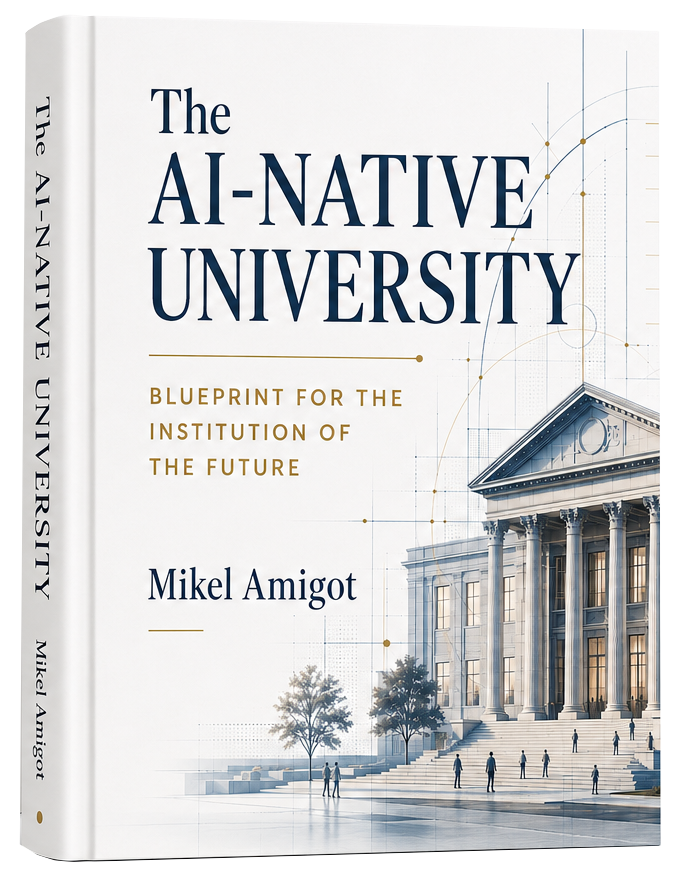
U.S. universities are rapidly launching standalone AI degree programs in response to surging demand from students seeking careers in this burgeoning field. These programs aim to provide students with the specialized knowledge and skills necessary to develop and deploy AI technologies.
The emergence of these programs reflects the increasing recognition of AI as a critical area of study and the growing need for skilled professionals in the AI industry. Universities are investing heavily in faculty, resources, and curriculum development to meet this demand and prepare students for the challenges and opportunities of the AI era.
Public Perception and Safety Considerations of AI in Education
A new Common Sense Media report reveals a sharp division between parents and teens regarding the use of AI in schools. This divergence highlights the need for open discussions and clear communication about the potential benefits and risks of AI in education.
Developers are also focusing on creating age-appropriate safety architectures for AI tools designed for children. These efforts aim to protect children from harmful content, ensure their privacy, and promote responsible use of AI technologies, addressing ethical considerations crucial for young users.