Technology
Friday, February 27, 2026
AI Integration in Higher Education
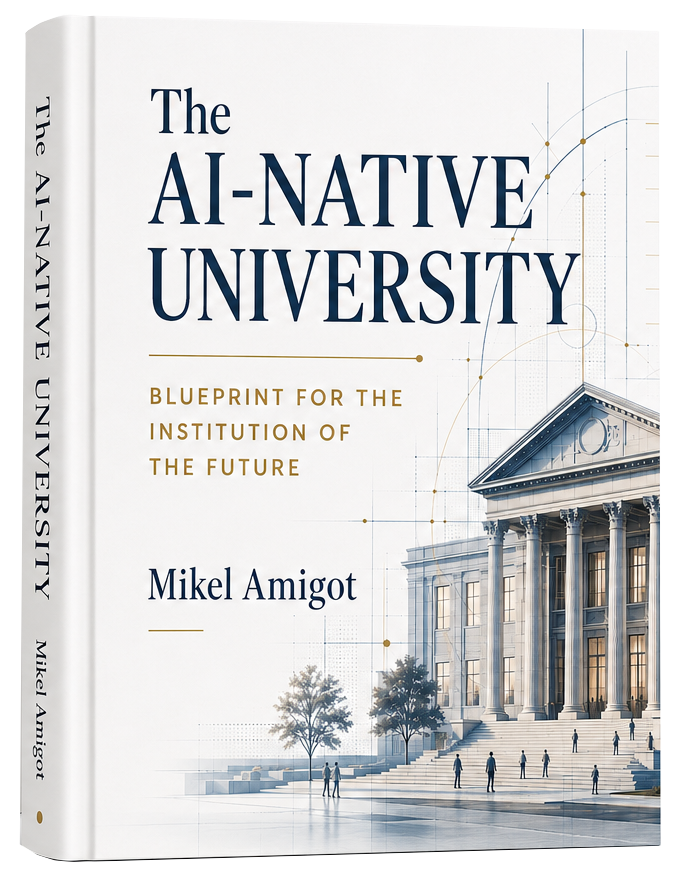
Several universities are actively responding to the growing influence of AI. The University of North Texas is launching an AI undergraduate major to meet industry demands, while UC Irvine is introducing a faculty development course to address the 'AI tension' within higher education. These initiatives highlight the increasing importance of AI education and preparedness in academic institutions.
These developments reflect a broader trend of universities adapting to the rapid advancements in artificial intelligence. By offering specialized programs and training, these institutions aim to equip students and faculty with the skills and knowledge necessary to navigate the evolving landscape of AI and its applications.
AI Risks and Safeguards in Education
Concerns about the risks associated with AI in education are growing, prompting calls for safeguards. A survey reveals that over 66% of parents and teachers believe AI amplifies existing EdTech risks. This concern is further highlighted by an AI image scandal at a California elementary school, which has led to the state pushing for new protective measures.
These developments emphasize the importance of addressing ethical and safety considerations as AI becomes more prevalent in education. Policymakers, educators, and parents are increasingly aware of the potential harms and are working to implement strategies to mitigate these risks and ensure a safe learning environment for students.
AI Usage and Institutional Policy Gaps
A global study has identified an 'AI gap,' where student usage of AI tools is rapidly outpacing the development and implementation of institutional policies. This discrepancy raises concerns about the responsible and ethical use of AI in academic settings. The rapid adoption of AI by students necessitates a swift response from educational institutions to establish clear guidelines and frameworks.
The absence of comprehensive policies creates potential challenges, including issues related to academic integrity, data privacy, and equitable access to AI resources. Addressing this gap requires proactive measures from institutions to develop and implement policies that promote responsible AI usage and mitigate potential risks.
AI's Impact on Learning and Engagement
New data indicates that AI study tools can transform passive reading into active learning for college students. This suggests that AI has the potential to enhance student engagement and improve learning outcomes. The integration of AI tools into the learning process is seen as a way to make studying more interactive and effective.
This shift towards active learning facilitated by AI raises questions about the future of education and the role of technology in shaping student experiences. While AI offers opportunities to personalize and enhance learning, it's crucial to consider its impact on critical thinking, problem-solving skills, and other essential aspects of education.
Broader Context of AI in Education
The integration of AI in education is a rapidly evolving field, attracting attention from various stakeholders. A parliamentary inquiry in the UK is examining the role of technology, including AI, in education. The Department of Education in the Philippines is also presenting a plan for AI in education.
Despite the growing interest in AI, established technologies like Google and YouTube continue to play a significant role in EdTech. The focus remains on the growth in AI uses, users, and associated concerns, indicating a complex and dynamic landscape. These developments highlight the need for ongoing research, policy development, and critical evaluation to ensure that AI is used effectively and ethically in education.