Technology
Thursday, March 26, 2026
AI in Education: College Admissions and Marketing
AI is significantly reshaping how students discover colleges and how institutions attract prospective students. AI-driven tools are being used for personalized college recommendations, virtual campus tours, and automated application assistance, streamlining the search process for students. This shift necessitates that colleges adapt their marketing strategies to leverage AI for targeted outreach and engagement.
However, this disruption also raises concerns about equity and access, as AI algorithms may perpetuate existing biases or exclude students without access to technology. Institutions must ensure that AI-powered marketing efforts are transparent, fair, and inclusive to all prospective students.
AI Integration in Teaching and Learning
AI is increasingly being integrated into teaching and learning environments, with AI-powered tools being used for personalized learning, automated grading, and student support. This includes the development of AI teachers capable of more sophisticated instructional uses beyond basic AI applications, along with the rise of AI-powered student support platforms.
However, the integration of AI in education also necessitates comprehensive teacher training and professional development to ensure educators can effectively utilize these tools and address potential challenges. Concerns have arisen regarding the quality of AI-driven educational programs, as investigations have revealed issues with faulty lesson plans and student dissatisfaction in some AI-powered private schools.
Ethical Concerns and Restrictions on AI Use in Schools
As AI becomes more prevalent in education, concerns are growing regarding its potential impact on student critical thinking skills, data privacy, and fairness. The increasing use of AI for homework raises questions about academic integrity and the development of independent learning abilities.
In response to these concerns, some school districts are implementing policies to restrict the use of AI in specific areas, such as grading, discipline, and Individualized Education Programs (IEPs). These restrictions aim to protect student rights and ensure that AI is used responsibly and ethically in educational settings.
Government Initiatives for AI Readiness in the Workforce
Recognizing the transformative impact of AI on the workforce, the US Department of Labor has launched the 'Make America AI-Ready' initiative to equip workers with the skills and knowledge needed to succeed in an AI-driven economy. This initiative aims to promote AI literacy, provide access to AI training programs, and support the development of AI-related skills in various industries.
The White House has also released a National AI Policy Framework that places workforce training and education at the center of its AI strategy. These initiatives reflect a growing recognition of the importance of investing in human capital to ensure that the benefits of AI are widely shared and that workers are not left behind in the age of automation.
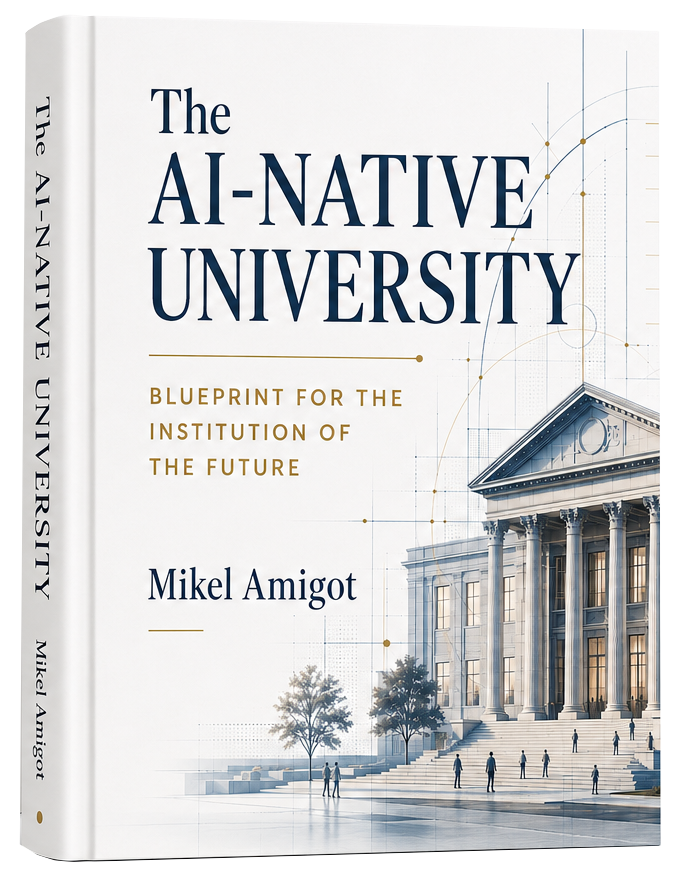
AI in Higher Education: Global Perspectives and Legal Considerations
The use of AI in higher education is attracting attention from global leaders and legal experts who are examining its ethical and legal implications. These discussions focus on issues such as data privacy, algorithmic bias, intellectual property, and the responsible use of AI in research and teaching.
India's Supreme Court Justice joined global leaders at Pace University to examine these issues, highlighting the international significance of addressing the challenges and opportunities presented by AI in higher education. These dialogues aim to develop frameworks and guidelines to ensure that AI is used in a fair, transparent, and ethical manner within academic institutions worldwide.