Technology
Monday, January 26, 2026
AI Integration in K-12 Education
AI is rapidly transforming K-12 education, breaking down language barriers with AI translation tools and offering new avenues for personalized learning. Educators are increasingly turning to AI to enhance teaching practices and address the digital divide in computer science education. This integration aims to create more efficient and engaging learning environments for students.
The use of AI in K-12 is not without its challenges, requiring careful consideration of ethical implications and equitable access. Co-designing AI solutions with educators and students is crucial to ensure that these technologies effectively meet the needs of the classroom. Future classrooms will likely be heavily influenced by AI, demanding that educators and policymakers adapt to these emerging trends.
AI Tools and Efficiencies for Educators
AI tools are becoming increasingly prevalent in education, offering teachers opportunities to streamline their workflows and enhance their teaching methods. These tools can automate administrative tasks, personalize learning experiences, and provide valuable insights into student performance. By leveraging AI, educators can focus more on individual student needs and create more engaging lessons.
The adoption of AI tools in education requires careful planning and implementation. Educators need adequate training and support to effectively integrate these technologies into their teaching practices. Furthermore, it's important to consider the ethical implications of using AI, ensuring that student data is protected and that AI is used to promote equity and access to education.
Predictions and Future Trends in AI and EdTech
The future of education is inextricably linked to the advancement of AI and edtech. Predictions suggest a significant shift towards personalized learning experiences, AI-powered tutoring systems, and automated assessment tools. These developments have the potential to revolutionize how students learn and how educators teach.
However, the integration of AI in education also raises important questions about the role of human teachers and the potential for bias in AI algorithms. Careful consideration must be given to the ethical implications of AI in education, ensuring that these technologies are used responsibly and in a way that promotes equity and access for all students.
AI in Higher Education
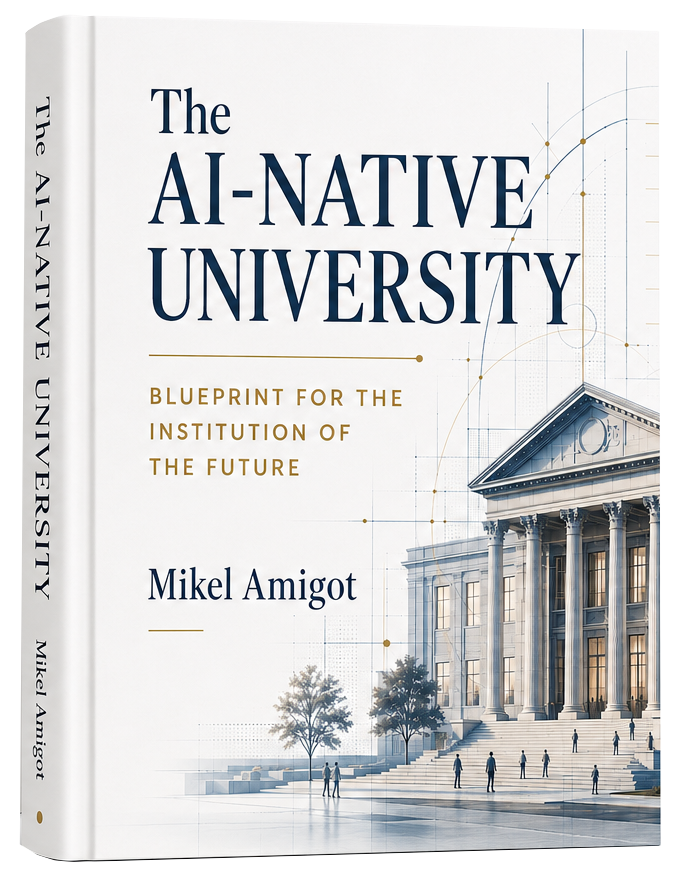
AI is becoming an increasingly important component of higher education, with potential applications ranging from personalized learning to research and administration. Universities are exploring ways to integrate AI into their curricula, research programs, and student support services. This integration is seen as crucial for preparing students for the AI-driven workforce of the future.
However, the adoption of AI in higher education also presents challenges, including the need for faculty training, infrastructure investment, and ethical considerations. Universities must carefully consider how to integrate AI in a way that enhances the learning experience and promotes equity and access for all students.
EdTech Startup Focused on AI
Fermi.ai, a new edtech startup founded by ex-Flipkart CTO Peeyush Ranjan, is entering the market with a focus on AI-powered educational solutions. This venture signifies the growing interest and investment in AI within the education sector. The company aims to develop innovative tools and platforms that leverage AI to improve learning outcomes and enhance the educational experience for students.
The launch of Fermi.ai reflects the broader trend of technology entrepreneurs recognizing the potential of AI to transform education. As more startups enter this space, competition will likely drive innovation and lead to the development of more sophisticated and effective AI-based learning solutions.