Technology
Saturday, July 25, 2026
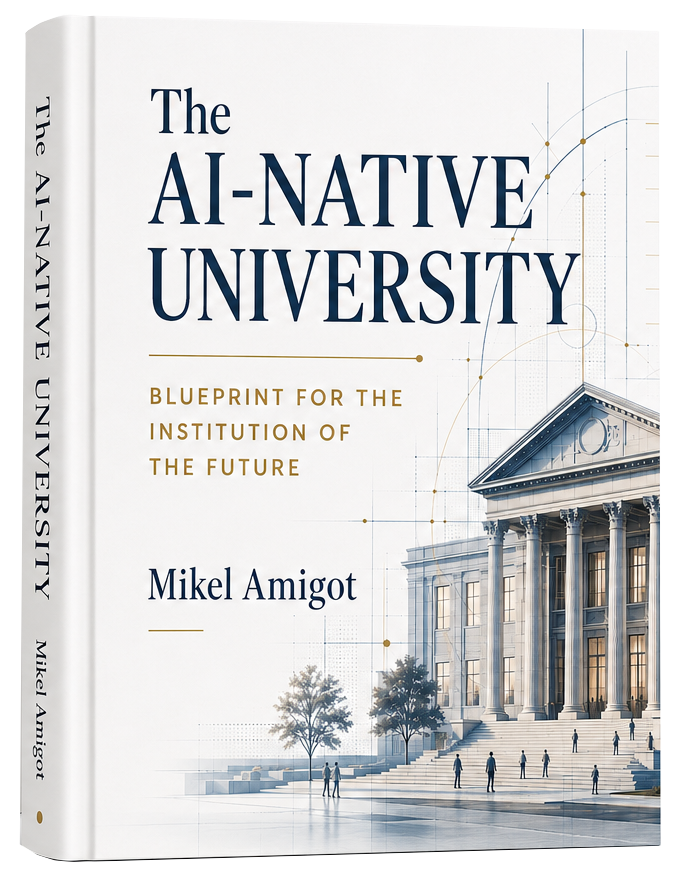
Strategic AI Frameworks and District-Level Implementation
As the integration of artificial intelligence into daily life accelerates, educational institutions are beginning to formulate strategic blueprints for its adoption. A notable example comes from Katy ISD, which has announced the launch of a comprehensive artificial intelligence framework slated for the 2026-27 school year. This proactive approach signals a significant shift towards deliberate, long-term planning in how AI will shape learning environments and administrative processes.
This framework is expected to guide the district's curriculum development, operational efficiencies, and professional development for educators, ensuring a structured and thoughtful introduction of AI technologies. The goal is to harness AI's potential to personalize learning, automate routine tasks, and provide data-driven insights, all while navigating the complexities of ethical considerations and student privacy.
Such initiatives are crucial for preparing students for a future workforce increasingly influenced by AI, equipping them with the necessary digital literacy and critical thinking skills. By establishing a clear roadmap well in advance, Katy ISD aims to integrate AI seamlessly and responsibly, setting a precedent for other districts contemplating similar large-scale technological transformations.
General AI Integration and Pedagogical Considerations
Artificial intelligence, particularly machine learning, is rapidly making its presence felt across educational landscapes, fundamentally changing how learning occurs in classrooms. This pervasive integration necessitates a re-evaluation of traditional teaching methods and a proactive adoption of new pedagogical approaches to maximize AI's benefits.
The increasing 'muscling in' of AI technologies into daily classroom activities highlights the need for educators to understand not just how to use AI tools, but also how to teach with and about them effectively. This includes developing curricula that prepare students for an AI-driven world, fostering critical thinking, and ensuring ethical usage of these powerful tools.
Discussions around AI integration and pedagogy are crucial for schools to navigate this transformation successfully. It involves exploring new teaching strategies that leverage AI for personalized learning, administrative efficiencies, and enhanced student engagement, while maintaining a human-centered approach to education that prioritizes student well-being and development.
Skepticism, Pauses, and Alternatives to AI in Education
Despite the growing momentum for AI integration in education, significant skepticism and caution persist, particularly regarding its application in early childhood learning. A notable sentiment among educators is the desire for AI to be kept out of elementary schools, reflecting concerns about its appropriateness for young children's developmental needs and the potential displacement of crucial human interaction.
This cautious approach is further exemplified by instances where school districts have hit the pause button on AI initiatives. In Western New York, for example, a school district temporarily halted its robot teacher program amid public scrutiny, signaling a broader public and professional demand for careful evaluation and transparency before widespread deployment of AI in classrooms.
Beyond direct resistance, there's also a burgeoning discussion about alternative educational philosophies that could serve as an 'antidote' to the pervasive influence of AI. Classical education, with its emphasis on critical thinking, rhetoric, and humanistic values, is being explored as a method to foster skills and perspectives that transcend technological trends, ensuring students are well-rounded individuals capable of navigating an AI-dominated world with discernment.
The Enduring Importance of Human Teachers in the AI Era
As artificial intelligence continues to reshape educational landscapes, a critical consensus is emerging: human teachers matter more than ever. Despite advancements in AI tools and automated learning systems, the irreplaceable value of human educators in fostering empathy, critical thinking, and personalized mentorship remains paramount.
The 'AI Era' is not diminishing the need for teachers but rather redefining their roles, shifting the focus from mere information delivery to facilitating deeper learning experiences, emotional intelligence, and complex problem-solving. Educators are now tasked with guiding students through an increasingly complex technological world, teaching them not just what to learn, but how to learn and interact ethically with AI.
Podcasts and discussions, such as 'Schooled Rewired Episode 2: Teaching in the AI Era,' delve into these evolving dynamics, exploring how teachers can leverage AI as a tool to enhance their instruction, personalize learning pathways, and manage administrative tasks, thereby freeing up more time for meaningful human interaction and mentorship. This evolving role underscores the enduring and perhaps even heightened importance of the human element in education.
AI's Potential for Accessibility and Workforce Development
Artificial intelligence is increasingly recognized for its transformative potential beyond traditional classroom settings, particularly in advancing accessibility and preparing the workforce for future demands. As the ADA anniversary approaches, new surveys highlight AI's significant role in creating more inclusive environments for individuals with disabilities in both learning and professional contexts.
A University of Phoenix survey, for instance, underscores how AI can be a powerful tool to bridge accessibility gaps, offering innovative solutions that cater to diverse learning needs and workplace accommodations. This includes adaptive technologies, personalized learning paths, and assistive tools that empower individuals to participate more fully in educational and economic opportunities.
Concurrently, there is a critical focus on preparing the current and future workforce for the advent of agentic AI and autonomous systems. Educational institutions and training programs are grappling with the necessity to equip individuals with the skills required to collaborate with, manage, and innovate alongside these advanced technologies, ensuring economic competitiveness and adaptability in an evolving job market.