Technology
Friday, July 24, 2026
AI Integration and Pedagogy in Education
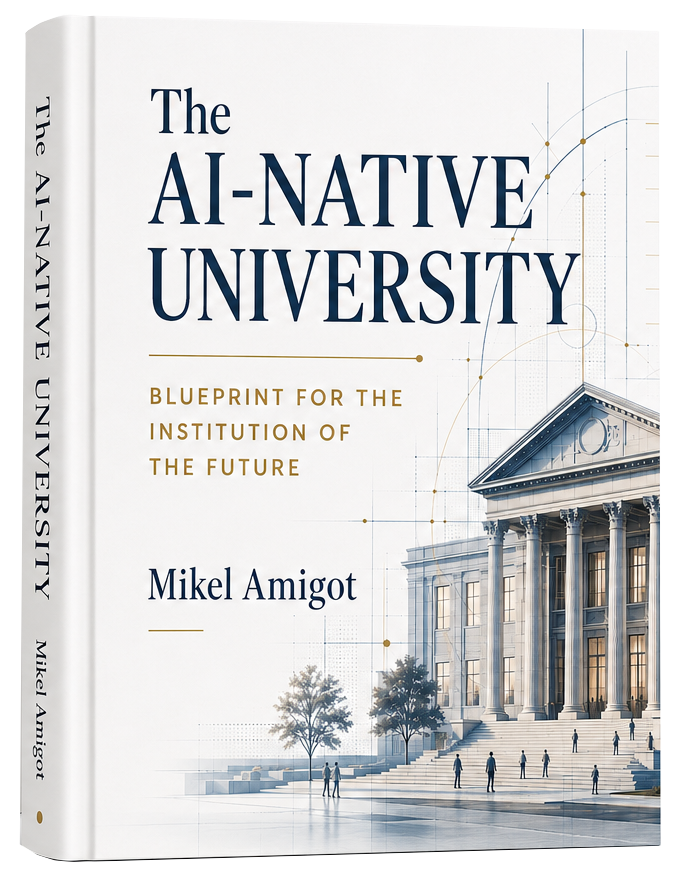
Artificial intelligence is rapidly becoming an integral part of educational systems, with institutions and organizations actively researching its impact, developing new tools, and establishing frameworks for its responsible use. A faculty member has secured a grant to explore AI's role in early childhood education, signaling a focus on foundational learning. Concurrently, aiEDU is bolstering educator capacity in rural and Indigenous communities through its 2026 Community Catalyst Grantees program, emphasizing equitable access to AI literacy.
Higher education is also seeing significant advancements, with California's largest College of Education unveiling a comprehensive framework that positions AI as a complementary tool for teaching and learning. RSU professors are innovating business education by launching an AI-powered decision-making simulator, providing students with practical, immersive learning experiences. Furthermore, the private sector is contributing, as Sortmyprep successfully raised $350K in pre-seed funding to expand its AI-powered exam preparation platform, indicating a growing market for AI-driven academic support.
However, the integration of generative AI is not without scrutiny. The Fairfax County School Board has proactively approved restrictions on generative AI and digital devices, reflecting a cautious approach to managing new technologies in K-12 environments. These developments collectively highlight a multi-faceted effort to harness AI's potential in education while addressing pedagogical challenges, ethical considerations, and the need for appropriate governance across all levels of learning.
Strategic AI Leadership and Institutional Initiatives
Wake Forest University has announced a significant institutional commitment to artificial intelligence through the launch of its 'AI for Human Flourishing' initiative. This strategic move underscores a growing trend among universities to not only adopt AI technologies but also to critically examine their ethical implications and societal impact.
Central to this new endeavor is the appointment of William Fleeson as the Associate Provost for AI Initiatives. This dedicated leadership role signifies the university's intent to integrate AI thoughtfully across its academic and research enterprises, ensuring alignment with its mission and values.
The initiative's focus on 'human flourishing' suggests a broader, interdisciplinary approach that will likely involve departments from humanities to technology, aiming to leverage AI in ways that enhance human well-being and address complex global challenges, rather than merely focusing on technological advancement for its own sake.
AI for Workforce and Specialized Skills Development
Educational institutions are increasingly focusing on preparing the next generation for a technology-driven economy by developing specialized workforce training programs. A prime example is UB, which is actively training the future workforce in critical fields such as artificial intelligence, cybersecurity, and advanced manufacturing.
This initiative reflects a strategic response to the evolving demands of the global job market, where expertise in high-tech domains is paramount. By providing targeted education and skills development in these areas, UB aims to equip students with the competencies needed to thrive in industries undergoing rapid technological transformation.
Such programs are vital for fostering economic growth and ensuring that regions remain competitive by cultivating a skilled talent pool capable of innovating and operating within complex technological ecosystems. They underscore a commitment to bridging the gap between academic learning and industry requirements.
Large-Scale AI Investment in Research and Science
A substantial collaboration between the private sector and government is set to accelerate the integration of artificial intelligence into scientific research. Microsoft has committed a significant $60 million investment to support the Department of Energy's (DOE) initiative to bring AI into laboratory settings across the nation.
This substantial funding is earmarked to empower scientists and researchers with advanced AI tools, aiming to revolutionize data analysis, accelerate discoveries, and enhance the efficiency of complex experiments. The initiative underscores a national push to leverage AI's capabilities to solve intricate scientific challenges and drive innovation in various fields.
The partnership between a technology giant like Microsoft and a key government scientific agency like the DOE highlights the strategic importance placed on AI as a critical enabler for future scientific breakthroughs. It represents a concerted effort to foster a new era of AI-driven research and development, solidifying America's leadership in scientific innovation.
AI Applications in Higher Education Administration
Higher education institutions are increasingly adopting artificial intelligence beyond academic functions, extending its reach into administrative and operational realms. One notable application is the transformation of donor engagement strategies for universities, leveraging advanced AI technologies like Google AI.
The integration of AI in this context aims to revolutionize how colleges and universities connect with their alumni and potential benefactors. By analyzing vast datasets, AI can provide deeper insights into donor preferences, predict giving patterns, and personalize outreach efforts, thereby optimizing fundraising campaigns and fostering stronger relationships.
This trend signifies a broader shift towards data-driven decision-making in university administration, where AI tools are employed to enhance efficiency, streamline processes, and ultimately improve the financial sustainability of educational institutions. It highlights AI's potential to contribute significantly to the non-academic success of higher education.