Technology
Saturday, January 24, 2026
AI in Education: General Applications and Trends
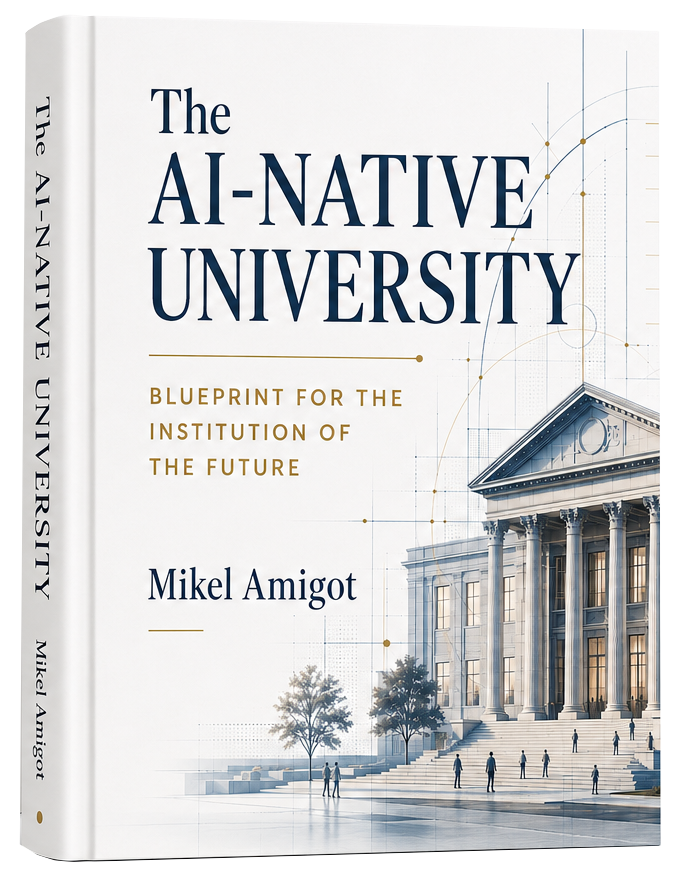
The integration of Artificial Intelligence (AI) into education is rapidly transforming classrooms and curricula. Emerging trends suggest an AI-powered education system is on the horizon, impacting everything from teaching methodologies to student learning experiences. AI tools are being explored to drive efficiencies for teachers and to personalize learning for students, potentially revolutionizing how education is delivered and received.
The discussion around AI in education includes exploring how to co-design AI tools specifically for educational purposes, ensuring they align with pedagogical goals and ethical considerations. Furthermore, there is a growing need to understand how AI will shape the future of education and prepare students for an AI-driven world, with a focus on equipping them with the necessary skills and knowledge.
AI Skills Development and Training
The demand for AI skills is increasing, leading to the development of specialized training programs and initiatives. EdX is offering generative AI courses designed for professionals and leaders, aiming to equip them with the knowledge and skills necessary to navigate and implement AI in their respective fields. These courses are critical for professionals who need to understand the capabilities and limitations of AI, as well as its potential applications in various industries.
Furthermore, Irish edtech companies are reportedly creating a global standard for AI skills, securing significant investment to further their work. This underscores the importance of standardization and quality assurance in AI education, ensuring that individuals receive relevant and effective training that meets industry needs.
AI Regulation and Policy in Education
The rapid advancement of AI in education has sparked discussions about the need for regulation and policy frameworks. A House hearing is examining whether now is the appropriate time to regulate AI in schools, considering the potential benefits and risks associated with its implementation. The goal is to establish guidelines that ensure responsible and ethical use of AI, protecting student privacy and promoting equitable access to educational opportunities.
The debate around AI regulation in education involves balancing innovation with oversight, ensuring that AI technologies are used in a way that enhances learning outcomes without compromising student well-being or exacerbating existing inequalities. Policymakers are grappling with complex questions about data privacy, algorithmic bias, and the potential for AI to displace human teachers.
AI in Computer Science Education and Digital Equity
AI is becoming increasingly important in computer science education, especially in K-12 settings. There's a growing recognition of the need to integrate AI into the curriculum to prepare students for a future where AI skills are highly valued. Efforts are being made to close the new digital divide in computer science education by ensuring that all students have access to AI-related learning opportunities.
These initiatives aim to equip students with the foundational knowledge and skills necessary to understand and utilize AI technologies. This includes teaching students about AI algorithms, machine learning, and the ethical implications of AI. By integrating AI into computer science education, educators can empower students to become creators and innovators in the field of AI.
Investment and Innovation in AI Edtech
Investment and innovation are driving the growth of AI-powered edtech solutions. A £23 million expansion of school edtech and AI pilot programs has been announced, indicating a significant commitment to exploring and implementing AI in education. These pilot programs will likely focus on testing different AI applications and assessing their impact on student learning and teacher effectiveness.
Furthermore, new edtech startups are emerging, such as Fermi.ai, launched by ex-Flipkart CTO Peeyush Ranjan, further showcasing the growing interest in AI's potential to transform education. These startups are developing innovative AI tools and platforms designed to personalize learning, automate administrative tasks, and improve overall educational outcomes.