U.S. & World
Saturday, November 21, 2026
Geopolitical Conflicts & International Diplomacy
International relations are currently marked by escalating tensions and complex diplomatic maneuvers. The conflict in Eastern Europe saw a significant escalation as Russian forces launched their largest missile and drone strike against Ukraine, an event that also led to the violation of Polish airspace, raising concerns across NATO allies about regional stability and border security.
Concurrently, traditional alliances are experiencing strain. Reports indicate that US Defense Secretary Hegseth has restricted military ties with Canada, signaling potential friction or a recalibration in defense cooperation between two historically close partners. Such actions can have profound implications for continental security strategies and intelligence sharing.
Adding another layer to the intricate global landscape, former President Trump addressed various international matters, including his perspectives on Russian President Vladimir Putin, during a wide-ranging news conference. His comments underscore the ongoing debate about foreign policy approaches and the future direction of international engagement, particularly concerning major global powers.
Global Economy & Technology Market
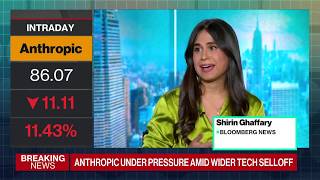
The global technology market is experiencing significant volatility, with the Nasdaq wiping out its gains for the year amidst prevailing 'AI nerves.' Despite high-profile events such as Anthropic's IPO, investor confidence in the rapidly evolving artificial intelligence sector remains shaky, reflecting broader uncertainties in the tech economy and concerns over valuations.
In a notable development for international commerce and technology, officials have approved the sale of 580,000 Nvidia chips to Chinese companies. This decision highlights the complex interplay between global trade, technological advancement, and geopolitical considerations, as nations balance economic interests with strategic competition in critical industries like semiconductors.
Meanwhile, efforts to revive traditional industries demonstrate the dynamic nature of global business. Japan is reportedly attempting to breathe new life into an American industrial icon, a move that underscores international collaboration in economic revitalization and the enduring appeal of established brands even in a rapidly modernizing world. This initiative points to continued cross-border investment and strategic partnerships aimed at fostering growth.
US Politics & Policy
Former President Trump recently held a wide-ranging news conference, where he discussed not only international figures like Vladimir Putin but also delved into his domestic agenda. These discussions provide insight into his potential policy priorities and political strategies as he continues to shape the national discourse ahead of future elections.
During the conference, Trump also made notable comments concerning the technology sector, specifically endorsing Jensen Huang, founder of Nvidia, and advocating for 'second chances' while doubling down on the importance of data centers. These remarks signal a clear interest in technological infrastructure and innovation as key components of future economic policy.
His statements reflect a broader political trend where leaders actively comment on and attempt to influence the direction of critical industries. By emphasizing data centers and supporting key tech figures, Trump is articulating a vision for American technological leadership and economic growth, aligning with a focus on digital infrastructure as a national priority.
Cybersecurity & Data Security Breaches
A significant breach in national security infrastructure has been reported, with the FBI's criminal information database reportedly hacked. This incident, confirmed by CNN, represents a severe compromise of highly sensitive data, potentially exposing critical law enforcement information and raising profound concerns about the integrity of national security systems.
The hacking of such a vital database carries far-reaching implications. It could jeopardize ongoing investigations, expose confidential sources, and undermine public trust in government's ability to protect sensitive citizen information. The incident highlights the persistent and evolving threats posed by cybercriminals and state-sponsored actors targeting core government functions.
This breach serves as a stark reminder of the continuous challenges faced by cybersecurity professionals in safeguarding critical digital assets. It underscores the urgent need for enhanced protective measures, robust incident response protocols, and ongoing vigilance to defend against sophisticated cyberattacks that threaten national security and data privacy on a global scale.
Natural Disasters & Transportation Safety
India's eastern coast recently faced a severe natural calamity as Cyclonic Storm Akvan crossed the Odisha Coast. The powerful storm prompted the state of Odisha to step up its cyclone response efforts, mobilizing resources and personnel to mitigate damage, ensure public safety, and provide aid to affected communities. Such events highlight the critical importance of robust disaster preparedness and rapid emergency management systems in vulnerable regions.
In a separate incident concerning transportation, an Air Niugini plane experienced an emergency landing in the Philippines. Fortunately, all 146 passengers and crew members on board were reported safe following the successful execution of emergency procedures. This outcome underscores the effectiveness of aviation safety protocols and the professional response of aircrews in critical situations.
Both events, though distinct in nature, emphasize the overarching theme of safety and resilience in the face of unforeseen circumstances. Whether responding to the destructive force of a cyclone or managing an in-flight emergency, the ability to act swiftly and effectively is paramount to protecting lives and minimizing adverse impacts, showcasing the dedication of emergency services and aviation professionals worldwide.