U.S. & World
Sunday, November 22, 2026
Geopolitical Tensions & Warfare
Recent incidents underscore the volatile nature of ongoing conflicts in Eastern Europe. A Russian military-linked cargo ship reportedly caught fire in the Baltic Sea following a drone strike, indicating an escalation of naval engagements. Concurrently, a dashcam captured a massive explosion on a street in Lviv, Ukraine, highlighting the persistent threat of aerial attacks on urban centers.
These events reflect the continued direct and indirect military confrontations, with drone technology playing an increasingly significant role in targeting adversaries across various fronts. The Baltic Sea incident suggests a broadening scope of engagement beyond traditional land-based operations in the Ukraine conflict.
The Lviv explosion serves as a stark reminder of the indiscriminate impact of hostilities on civilian areas, where daily life remains under the shadow of potential strikes. Together, these reports paint a picture of sustained conflict and its widespread repercussions across the region.
Public Safety & Humanitarian Response
Global attention remains focused on critical public safety and humanitarian challenges, from post-conflict recovery efforts to high-stakes law enforcement operations. In Gaza, recovery crews are facing immense difficulties, reportedly using just a single excavator to retrieve 129 Palestinian victims from rubble, underscoring the severe humanitarian crisis and resource scarcity in the aftermath of recent hostilities.
Meanwhile, a significant victory against organized crime was reported in Mexico, where a cartel kingpin, prominently featured on the FBI's most wanted list, was apprehended during a dramatic military operation. This capture represents a major blow to international criminal networks and highlights the ongoing efforts by authorities to dismantle powerful illicit organizations.
These disparate events, though geographically and contextually distinct, collectively illustrate the profound challenges governments and humanitarian agencies face in ensuring public safety and providing essential services. From the painstaking recovery of victims in war-torn regions to the dangerous pursuit of criminal masterminds, the commitment to upholding security and human dignity remains paramount.
Cybersecurity & Data Policy
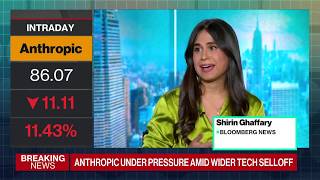
National digital security and data infrastructure policies are at the forefront of global concerns, with recent reports highlighting both vulnerabilities and proposed governmental responses. The U.S. government has reportedly experienced significant cybersecurity breaches, with both the USDA and FBI falling victim to hackers amidst a wider series of tech outages, raising serious questions about the resilience of critical federal systems.
In a related development concerning data infrastructure, former President Trump indicated that the U.S. government plans to penalize firms that build data centers abroad. This policy aims to encourage domestic data storage and processing, ostensibly to bolster national security and economic interests by keeping sensitive data and associated infrastructure within U.S. borders.
These incidents and policy discussions underscore a growing emphasis on protecting digital assets and controlling data flows. The breaches demonstrate the persistent threat of cyberattacks on governmental institutions, while the proposed penalties reflect a broader strategic shift towards digital sovereignty and securing national data infrastructure against foreign vulnerabilities.
Global Tech & AI Regulation
International bodies are increasingly focusing on the regulation of powerful technology and emerging artificial intelligence, signaling a global push to address their societal and ethical implications. The European Union has proposed a new tax on Big Tech companies, aiming to boost its budget while ensuring these digital giants contribute more equitably to the economies where they operate.
Concurrently, nations have agreed to initiate UN-backed talks with the ambitious goal of regulating 'killer robots' by 2028. This move highlights growing international concern over autonomous weapons systems and the ethical dilemmas they pose, seeking to establish global norms and controls before such technologies become widespread.
These developments reflect a concerted effort by international communities to assert greater control over the digital frontier. From ensuring fair taxation of established tech behemoths to proactively addressing the moral and security implications of advanced AI, the global governance landscape is rapidly adapting to the challenges posed by technological innovation.
Economic Trends & Climate Finance
The global economic landscape is marked by both robust financial performance in certain sectors and significant impasses in international climate negotiations, particularly concerning funding and energy policy. Wall Street banks are reportedly poised for a banner year, with mega Initial Public Offerings (IPOs) generating an estimated $1 billion in fees, signaling a strong period for the financial markets and investment banking.
In contrast, the COP31 climate talks have reached a deadlock, as nations remain deeply divided over crucial issues surrounding fossil fuels and climate finance. Disagreements persist on the phasing out of coal, oil, and gas, as well as the financial commitments needed from developed nations to support climate action in developing countries.
These contrasting reports underscore the complex interplay between global economic activity and environmental sustainability. While the financial sector celebrates robust earnings, the international community struggles to forge consensus on critical climate policies that have profound economic implications, especially regarding the transition away from fossil fuels and equitable financial burden-sharing.