Technology
Friday, May 22, 2026
AI in Education: General Overview and Impact
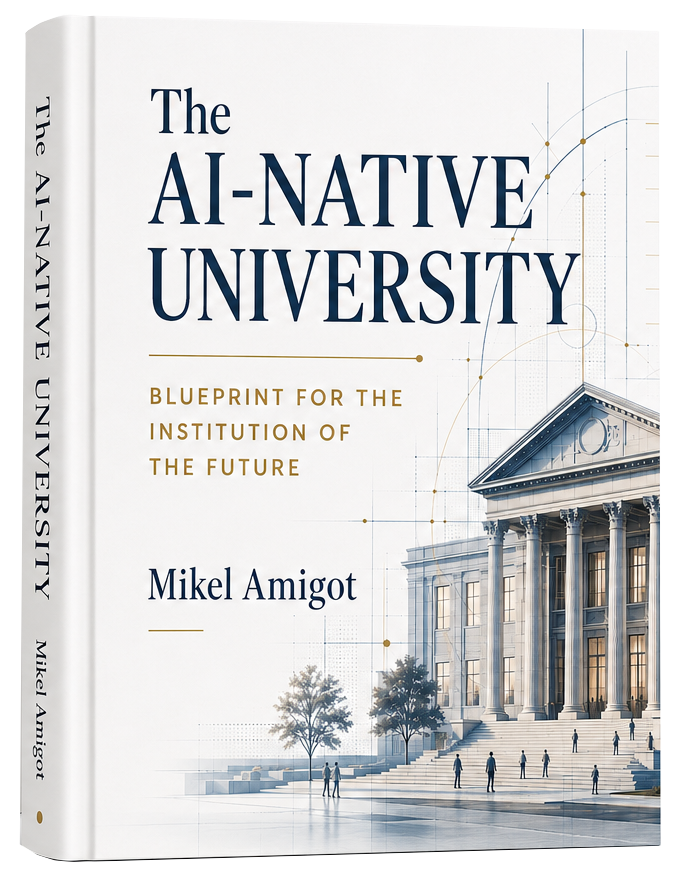
The integration of Artificial Intelligence (AI) into education is rapidly reshaping the learning environment, prompting discussions about its overall impact and the need for AI literacy. Experts are emphasizing the importance of viewing AI through a curricular lens, suggesting that educators should actively incorporate AI literacy into their teaching practices.
A local professor is exploring the fundamental question of what it means to receive an education in a world where AI is becoming the norm. This exploration underscores the transformative potential of AI in education and the need for educators and students alike to adapt to this evolving landscape.
AI's Influence on Student Learning and Grading
A recent study suggests that students are learning less but receiving higher grades due to the influence of AI tools. This raises concerns about the true extent of student understanding and the potential for AI to mask gaps in knowledge.
The study highlights the need for educators to critically evaluate the impact of AI on student learning and to develop strategies to ensure that students are developing genuine understanding rather than relying solely on AI-generated content. Further research is needed to fully understand the long-term consequences of AI on academic achievement and the overall quality of education.
AI Policies, Guidance, and Teacher Perspectives
Teachers are expressing a need for 'guardrails and guidance' on the appropriate use of AI in education, as revealed during expert testimony before Congress. This call for clear policies underscores the importance of providing educators with the necessary support and resources to effectively integrate AI into their teaching practices while mitigating potential risks.
The demand for guidance reflects the complexity of navigating AI in the classroom and the need for a collaborative approach involving educators, policymakers, and technology developers. Clear policies and guidelines can help ensure that AI is used responsibly and ethically in education, promoting positive learning outcomes for all students.
AI-Driven Innovation and Tools in Education
Sylvi has introduced AI-generated personalized language lessons in response to user feedback, demonstrating the potential of AI to tailor learning experiences to individual needs. This innovation allows students to learn at their own pace and focus on areas where they need the most support.
Google is also integrating AI into its Workspace suite, with updates like Docs Live and Google Pics enhancing collaboration and content creation. These advancements reflect the growing trend of incorporating AI into educational tools and platforms to improve efficiency and personalize the learning process.
AI and Higher Education: Credential Programs and Student Protests
The increasing prevalence of AI is driving demand for credential programs in higher education, indicating a growing need for professionals with AI-related skills. This trend reflects the transformative impact of AI across various industries and the importance of equipping individuals with the knowledge and expertise to thrive in an AI-driven world.
However, not all students are embracing AI wholeheartedly. High school students in Utah are protesting the use of AI at their graduations, highlighting concerns about the authenticity and value of traditional academic achievements in the age of AI. This protest underscores the need for open and honest conversations about the role of AI in education and its potential impact on student experiences and perceptions.