Technology
Thursday, May 21, 2026
AI Integration in Education: Policy and Implementation
The integration of Artificial Intelligence (AI) into education is rapidly evolving, prompting discussions on policy development and practical implementation strategies. Schools, such as those in Santa Fe, are adopting AI tools even in the absence of specific policies, highlighting a proactive yet potentially unregulated approach. This underscores the need for clear guidelines to ensure responsible and effective AI use in education.
OpenAI is expanding its educational initiatives to countries worldwide, signaling a global push for AI integration. Educators and experts emphasize the importance of viewing AI through a curricular lens, integrating it thoughtfully into teaching practices. These developments call for careful consideration of the ethical and pedagogical implications of AI in education.
Impact of AI on Teaching and Learning
The impact of AI on teaching and learning is a subject of ongoing evaluation and discussion. Research aims to quantify and qualify the effects of AI tools on both educators and students. The norm of AI in education is prompting deeper exploration of what it means to receive an education in the age of intelligent machines.
Special education teachers, often facing challenges with workload and staffing, are increasingly turning to AI for support. This highlights the potential of AI to alleviate burdens and enhance teaching effectiveness, while also raising questions about the long-term effects on student-teacher interactions and personalized learning.
AI and Higher Education: Credentialing and Skills
The rise of AI is significantly impacting higher education, particularly in driving demand for credential programs. As AI technologies become more prevalent, professionals seek to upskill and reskill to remain competitive in the job market. This trend is leading to an increase in specialized training and certification programs focused on AI-related skills.
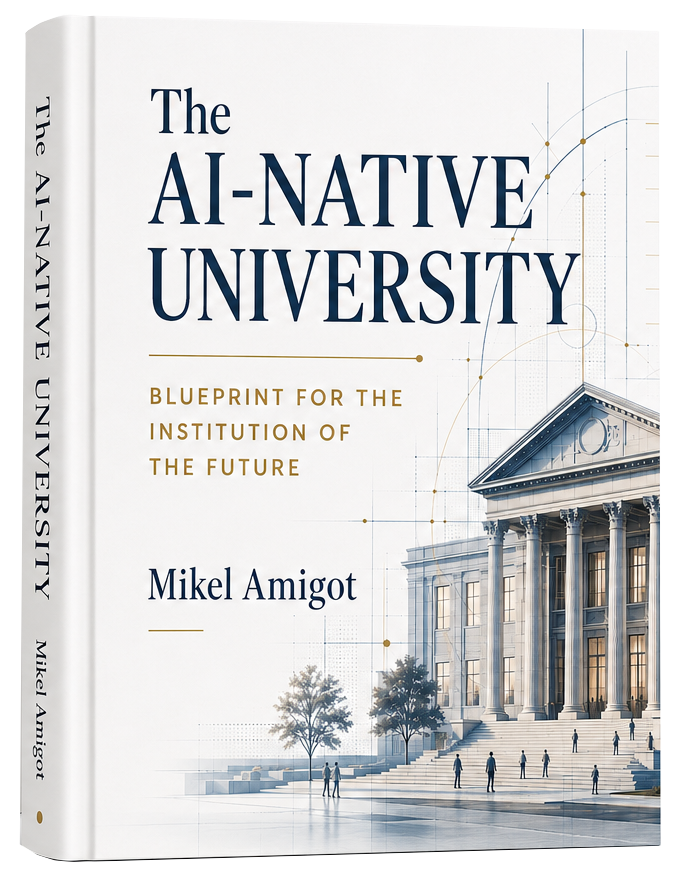
Universities and educational institutions are adapting their curricula to meet the evolving needs of the workforce. The demand for AI literacy and expertise is reshaping the landscape of higher education, prompting institutions to offer new courses and programs that equip students with the necessary skills for an AI-driven future.
AI Literacy in Education
AI literacy is increasingly recognized as a crucial skill for both educators and students. Experts advocate for integrating AI literacy into the curriculum, enabling individuals to understand, evaluate, and effectively use AI technologies. This involves more than just technical skills; it also encompasses ethical considerations and critical thinking about the implications of AI.
Developing AI literacy requires a multifaceted approach that includes professional development for teachers, curriculum design that incorporates AI concepts, and resources that support learning about AI. By fostering AI literacy, educators can empower students to navigate the AI-driven world responsibly and confidently.
EdTech Trends: AI and Platform Shifts
The EdTech landscape is dynamic, with AI playing a central role in driving innovation and change. The top EdTech stories of the week highlight the momentum generated by AI, along with awards and platform shifts. These trends indicate a continuous evolution in how technology is used to enhance education.
Platform shifts in EdTech reflect the changing needs and preferences of educators and students. As new tools and resources emerge, educational institutions are adapting their technology infrastructure to support these changes. The integration of AI into EdTech platforms is expected to further accelerate these trends, creating new opportunities and challenges for the education sector.