Technology
Wednesday, January 21, 2026
AI in Education: Overview and Implementation
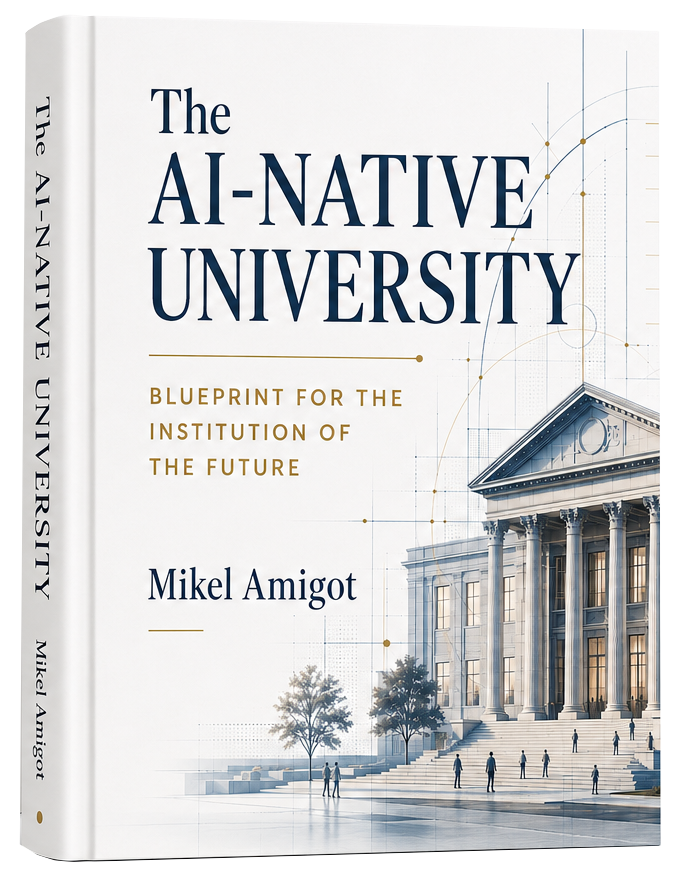
AI is increasingly being integrated into K-12 schools, promising to improve teaching methods and personalize learning experiences. EdTech Magazine and JustAINews.com are covering the latest developments in this rapidly evolving field, showcasing various applications and innovations. These range from AI-powered tools designed to assist teachers in lesson planning and assessment to platforms that offer customized learning paths for students.
However, the integration of AI in education also raises important questions about equity, access, and the potential for a new digital divide. Ensuring that all students have equal opportunities to benefit from these technologies is crucial. Furthermore, there's a growing emphasis on using AI to foster empathy and human connection in schools, rather than simply replacing human interaction.
AI and Education Policy in 2026
The future of education in Connecticut, and potentially the US, is being shaped by the convergence of AI technology, strategic funding initiatives, and evolving federal policies. Looking ahead to 2026, it is anticipated that AI will play a significant role in transforming educational practices, resource allocation, and overall system design. These changes are expected to impact various aspects of education, including curriculum development, teacher training, and student assessment.
Budget considerations for 2026 also highlight the importance of policy support for AI-led growth in both EdTech and AdTech sectors. This support could take the form of tax incentives, research grants, or regulatory frameworks that encourage innovation while addressing potential risks. The interplay between these factors will ultimately determine the extent to which AI can effectively reshape education in the coming years.
Ethical and Societal Implications of AI in Education
The integration of AI into education is not without ethical concerns, as highlighted by Portugal's grappling with the human cost of this technology. The debate centers on whether to embrace or ban AI in schools, weighing the potential benefits against the risks of diminishing human interaction and critical thinking skills. The societal implications of relying heavily on AI for education are significant and require careful consideration.
Policymakers and educators are actively exploring ways to mitigate potential negative consequences, such as job displacement for teachers and the erosion of essential social-emotional learning. Striking a balance between leveraging AI's capabilities and preserving the human element of education is a crucial challenge.
Regulation of AI in Schools
The question of whether and when to regulate AI in schools is a subject of ongoing debate, as evidenced by a recent House hearing on the matter. Policymakers are weighing the potential benefits of regulation, such as ensuring fairness, transparency, and accountability, against the risks of stifling innovation and hindering the development of beneficial AI applications. The timing of regulation is also a critical consideration, as premature or overly restrictive rules could impede progress.
The key challenge lies in creating a regulatory framework that fosters responsible AI development and deployment in education, while also protecting students, teachers, and the integrity of the learning process. This requires a collaborative effort involving policymakers, educators, technologists, and ethicists to ensure that AI is used in a way that enhances, rather than detracts from, the educational experience.
AI for Empathy and Human Connection
While AI is often associated with automation and efficiency, there is a growing movement to leverage generative AI tools to deepen human connection and foster empathy within schools. This approach emphasizes using AI as a supplement to, rather than a replacement for, human interaction. The goal is to create learning environments where technology enhances students' social-emotional development and strengthens relationships between students and teachers.
Examples of AI applications that promote empathy include tools that facilitate personalized feedback, support collaborative learning activities, and provide opportunities for students to reflect on their emotions and experiences. By carefully designing and implementing these tools, educators can harness the power of AI to create more compassionate and supportive learning communities.