Technology
Monday, January 19, 2026
AI in Education: General Applications and Impact
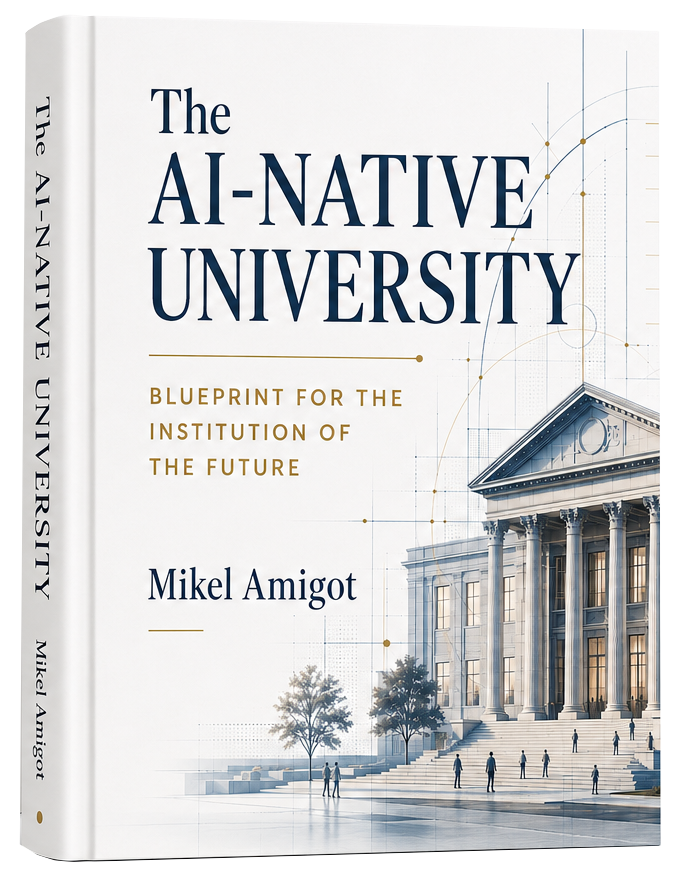
Artificial intelligence is rapidly transforming the landscape of education, offering new tools and approaches for both students and educators. From AI-powered translation breaking down language barriers in K-12 schools to the potential for quantum computing to revolutionize higher education, the possibilities seem limitless. Discussions are underway about how to best integrate AI into the curriculum and ensure its responsible use.
The integration of AI into education is not without its challenges. Students are expressing a need for clarity regarding school AI policies and a better balance in screen time. Experts are also recommending an urgent reimagining of education in the AI era, highlighting the need to adapt teaching methods and curriculum to prepare students for an AI-driven world. The future of education appears inextricably linked to the development and implementation of AI technologies.
AI Tools and Resources for Educators
AI is providing teachers with a range of tools to streamline their workflows and improve student outcomes. These tools are designed to drive efficiencies in various aspects of teaching, such as lesson planning, grading, and personalized learning.
The availability of AI tools for teachers is growing rapidly, offering opportunities to automate repetitive tasks and free up time for more individualized student attention. As AI technology continues to evolve, educators can expect even more sophisticated tools to emerge, further enhancing their ability to deliver effective and engaging instruction.
Student Perspectives and Concerns on AI in Schools
Students are increasingly aware of the presence of AI in their schools and are expressing concerns about its impact on their learning and well-being. A recent study indicates that students need more clarity around school AI policies and are seeking a better balance in their screen time.
These concerns highlight the importance of involving students in discussions about the ethical and practical implications of AI in education. Schools need to address student anxieties and ensure that AI is used in a way that supports their learning and promotes their overall well-being.
Policy and Regulation of AI in Education
The rapid adoption of AI in education has raised questions about the need for regulation. A recent House hearing explored whether now is the appropriate time to establish guidelines and standards for the use of AI in schools.
The debate surrounding AI regulation in education involves balancing the potential benefits of the technology with the need to protect student privacy, ensure equitable access, and prevent bias. Policymakers are grappling with these complex issues as they consider the best path forward for governing AI in educational settings.
AI Education Initiatives and Future Trends
Various initiatives are underway to promote AI education and prepare students for the future workforce. The Reliance Foundation and Central Square Foundation recently hosted an AI Edtech Dialogue, emphasizing the urgent need to reimagine education in the AI era. First Lady Melania Trump has also inspired children to explore AI to achieve their career ambitions.
Innovative educational approaches are emerging, such as those in the Bronx, where students are trading traditional lessons for hands-on AI training. Looking ahead, the FETC 2026 conference will provide a platform for K-12 IT leaders to learn about the future of technology in education, indicating a continued focus on AI and other emerging technologies in the years to come.