Universities
Saturday, April 18, 2026
Challenges in Higher Education
Several colleges are facing significant challenges, with some potentially closing their doors. A new report estimates that 25% of private colleges could close in the next 10 years due to financial pressures.
Hampshire College is set to close after a years-long turnaround effort failed, highlighting the difficulties institutions face in maintaining operations. The closure represents 'an incalculable loss' for the community, signaling a concerning trend in higher education.
Adapting to Technological Changes
The rise of AI is reshaping the workforce, creating challenges for college graduates entering the job market. Many graduates are finding it difficult to secure entry-level roles, leading to feelings of helplessness as the market shrinks.
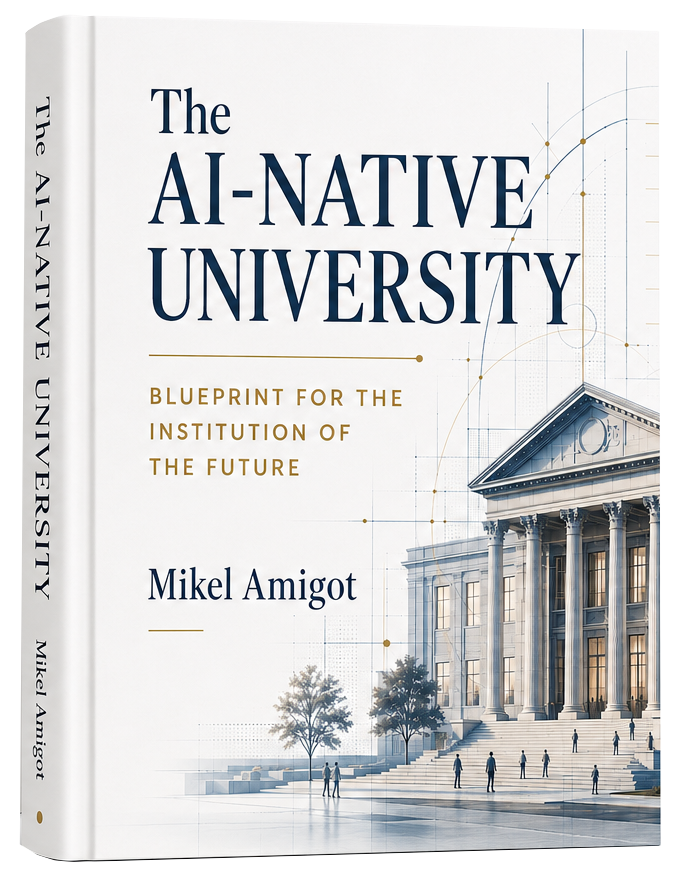
Colleges are grappling with how to prepare students for this new reality, with some considering device-free classrooms to improve focus and rebuild public trust in higher education. The integration of AI into education and its impact on employment are critical concerns for institutions and students alike.
University Governance and Leadership
The University of Michigan's incoming president will not be taking the job due to a diagnosis of brain cancer. This unexpected change creates uncertainty in leadership at a major institution.
Yale University is considering changes to its admissions and grading policies to regain public trust. These potential reforms reflect a broader effort to address concerns about fairness and accountability in higher education institutions.
Diversity and Inclusion Policies
The Texas Tech System is set to eliminate programs focused on sexual orientation and gender identity. This decision marks a significant shift in the system's approach to diversity and inclusion initiatives.
The move raises concerns about the impact on LGBTQ+ students and faculty, and the broader implications for inclusivity within the Texas Tech System.
International Security and Higher Education
American universities located in the Middle East are preparing for potential Iranian retaliation. These institutions are bracing for possible security threats amid heightened regional tensions.
The safety and security of students, faculty, and staff are paramount concerns as these universities navigate a complex and volatile geopolitical landscape.