Universities
Sunday, May 17, 2026
AI and Education
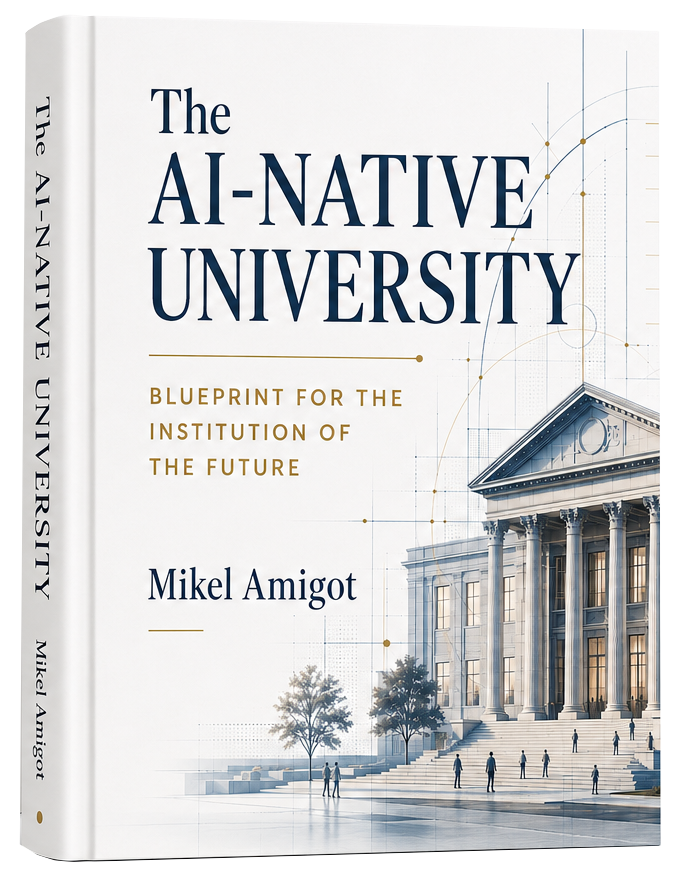
Several universities are investing in AI research and education. Brown University highlighted its collaboration in AI-enabled science, while the Morgans provided a $1.25M gift to support an AI fellows program. David McCormick toured AI-powered biotech labs at Penn, indicating private sector interest in AI applications in biotechnology.
However, the rise of AI also presents challenges. A study found that students are learning less but receiving higher grades due to the use of AI tools. The AAUP (American Association of University Professors) is backing an AI data center moratorium, suggesting concerns about the ethical and societal implications of AI development in academia.
University Leadership and Governance
Bard College's board voted to end Leon Botstein's tenure as president following an independent review of his ties to Jeffrey Epstein. This marks a significant shift in leadership at the institution, prompted by scrutiny of past associations.
Discrimination in Higher Education Admissions
The U.S. Justice Department has accused Yale Medical School of illegally using race in its admissions process, alleging discrimination against Asian and White applicants. The DOJ asserts that the medical school's policies violate federal law.
This legal action highlights ongoing debates about affirmative action and the role of race in college and professional school admissions. The investigation underscores the Justice Department's scrutiny of admissions practices at elite institutions.
Academic Freedom and Faculty Rights
A Texas professor who was fired after giving a talk about Palestine has been reinstated, asserting that they did nothing wrong. This case raises questions about academic freedom and the limits of permissible speech within university settings.
Research Funding and Federal Policy
The president of MIT has attributed a significant drop in research on campus to shifts in federal policy. This suggests that changes in government priorities or funding mechanisms are impacting the research landscape at one of the nation's leading universities.