Technology
Saturday, January 17, 2026
AI Integration in K-12 Education
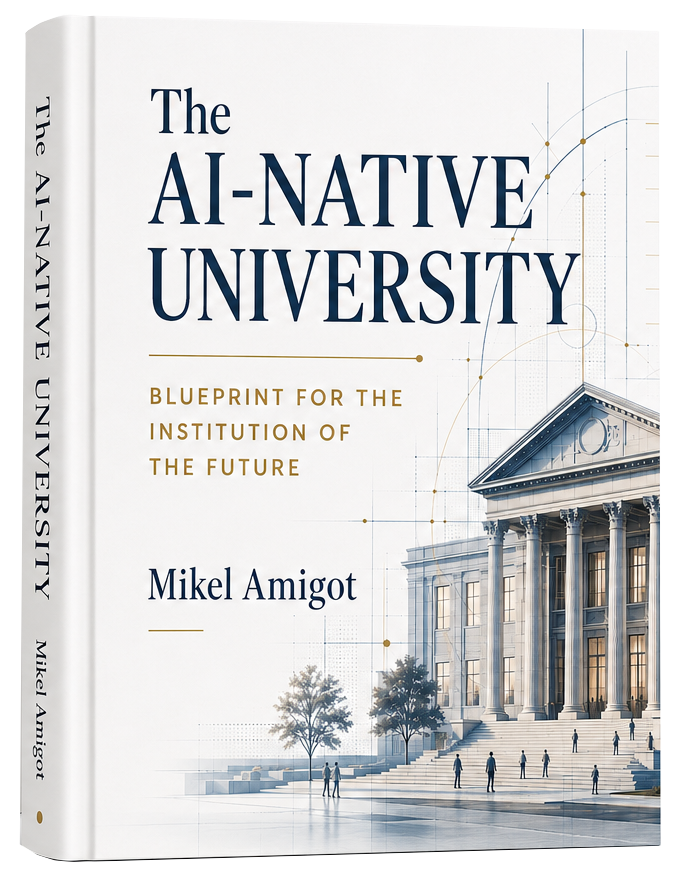
AI is increasingly being integrated into K-12 education, transforming teaching methods and student learning experiences. This includes the use of AI tools for translation, personalized learning, and hands-on AI training programs for students. The integration aims to bridge the digital divide and prepare students for an AI-driven future.
However, the rising use of AI in schools also raises concerns about potential downsides for students, such as cognitive debt and the need for AI literacy. The implementation of AI in education requires careful consideration of ethical implications and the development of comprehensive strategies to ensure equitable access and effective use.
AI Tools and Efficiencies for Educators
AI tools are emerging as valuable resources for educators, offering opportunities to streamline tasks, personalize learning, and enhance teaching effectiveness. These tools can automate administrative tasks, provide data-driven insights into student performance, and facilitate personalized learning experiences.
Microsoft 365 Copilot is highlighted as an example of an AI tool making AI accessible and affordable for educators. The adoption of AI tools for teachers aims to drive efficiencies and improve the overall quality of education.
AI Literacy and Skills Development
AI literacy is becoming increasingly crucial in today's world, and computer science is recognized as the foundation for developing this literacy. There is a growing need to equip students and teachers with the skills and knowledge necessary to understand and effectively utilize AI technologies.
Irish edtech startups are actively working to establish global standards for AI skills, securing funding to develop and implement comprehensive AI education programs. These initiatives aim to prepare individuals for the demands of an AI-driven workforce and ensure that everyone has the opportunity to participate in the AI revolution.
Generative AI in Early Childhood Education
Generative AI is making its way into early childhood education, with a significant portion of pre-K teachers already utilizing these technologies in the classroom. This indicates a growing trend of integrating AI into the learning experiences of young children.
The specific applications and implications of generative AI in pre-K education require further investigation to understand its impact on child development and learning outcomes. Ethical considerations and responsible implementation are crucial to ensure that AI benefits young learners and does not pose any risks.
The Broader Landscape of AI in Education
The integration of AI in education is a rapidly evolving field, with ongoing discussions and developments shaping its future. There is a growing awareness of the potential challenges and risks associated with AI in education, including concerns about cognitive debt and the need for responsible implementation.
Various publications and organizations are providing news, tools, and perspectives on AI in education, offering valuable resources for educators, policymakers, and researchers. The ongoing dialogue and exploration of AI in education are essential to ensure that it is used effectively and ethically to benefit all learners.