Technology
Saturday, May 16, 2026
AI in Education: Overview and Future
The rapid integration of artificial intelligence into education is sparking widespread discussion about its potential and challenges. These discussions encompass the future of AI in classrooms, its impact on decision-making processes within educational institutions, and the need to equip students with critical thinking skills to question and understand AI's influence.
Various perspectives are emerging, ranging from optimistic views on how AI can scale effective teaching methods to concerns about ensuring responsible and ethical implementation. The focus is shifting towards developing policies and strategies that harness AI's capabilities while mitigating potential risks and promoting equitable access to its benefits.
AI in Education: Policies and Innovations
The landscape of AI in education is rapidly evolving, with institutions developing specific policies and embracing new innovations. Pembina Hills School Board, for example, has launched a human-centered AI policy, indicating a focus on ethical and responsible implementation. These policies are aimed at guiding the integration of AI in a way that prioritizes human values and educational goals.
The year 2026 is highlighted as a period of significant development, with ongoing updates on the latest AI in education news, policies, and innovations shaping the future of learning. This constant evolution requires educators, policymakers, and students to stay informed and adaptable to the changing landscape.
AI in Education: Scaling Effective Methods
One promising application of AI in education is its potential to scale the methods of high-performing schools. By analyzing and replicating successful teaching strategies, AI can help to disseminate best practices more widely and efficiently. This approach could lead to more consistent and effective instruction across diverse educational settings.
The argument is that AI can act as a catalyst for improving educational outcomes by democratizing access to proven teaching techniques. This involves leveraging AI's analytical capabilities to identify key components of effective instruction and then using these insights to develop tools and resources that can be adopted by other schools and teachers.
University AI Initiatives
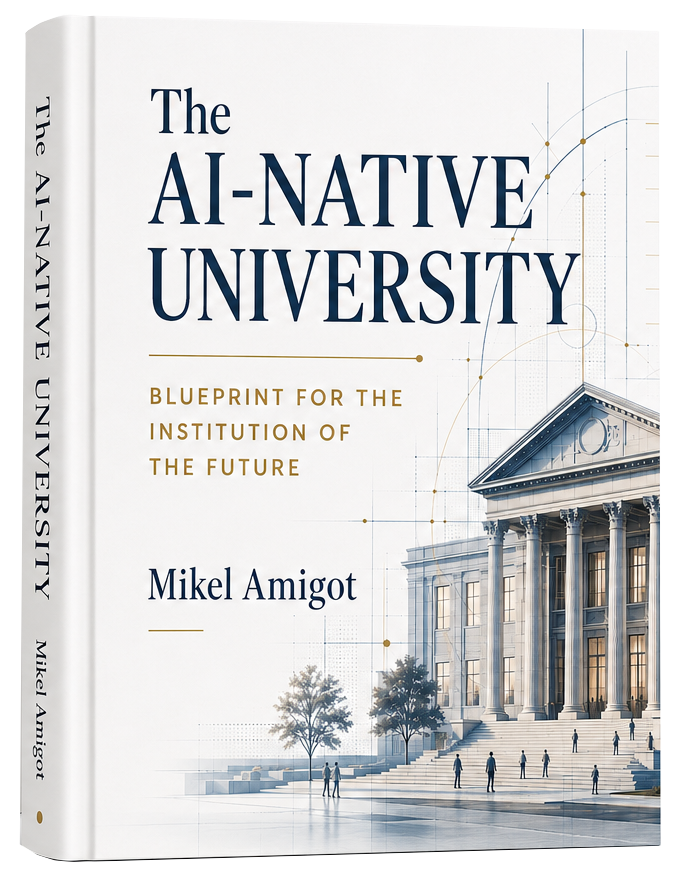
Universities are increasingly investing in AI initiatives to accelerate innovation across diverse fields. USC, for example, has launched a major AI initiative aimed at fostering advancements in health sciences, security, business, and the arts. This demonstrates a recognition of AI's transformative potential across multiple sectors.
These initiatives typically involve interdisciplinary collaboration, bringing together researchers and experts from different departments to tackle complex challenges using AI. The goal is to drive breakthroughs in areas such as healthcare, cybersecurity, and creative industries, ultimately contributing to societal progress and economic growth.
Education Journalism and Reporting
Exceptional education journalism plays a crucial role in informing the public about key issues and trends in the field. This includes investigative reporting on challenges such as a 'dismal decade' in education, stories of individuals facing adversity like 'sleeping in the school parking lot', and recognition of 'standout edtech reporting'.
These journalistic efforts help to shed light on the complexities of the education system, highlighting both its successes and its shortcomings. By providing in-depth analysis and compelling narratives, education journalists contribute to a more informed public discourse and promote accountability among stakeholders.