Technology
Saturday, August 15, 2026
Strategic Impact and Challenges of AI in Higher Education
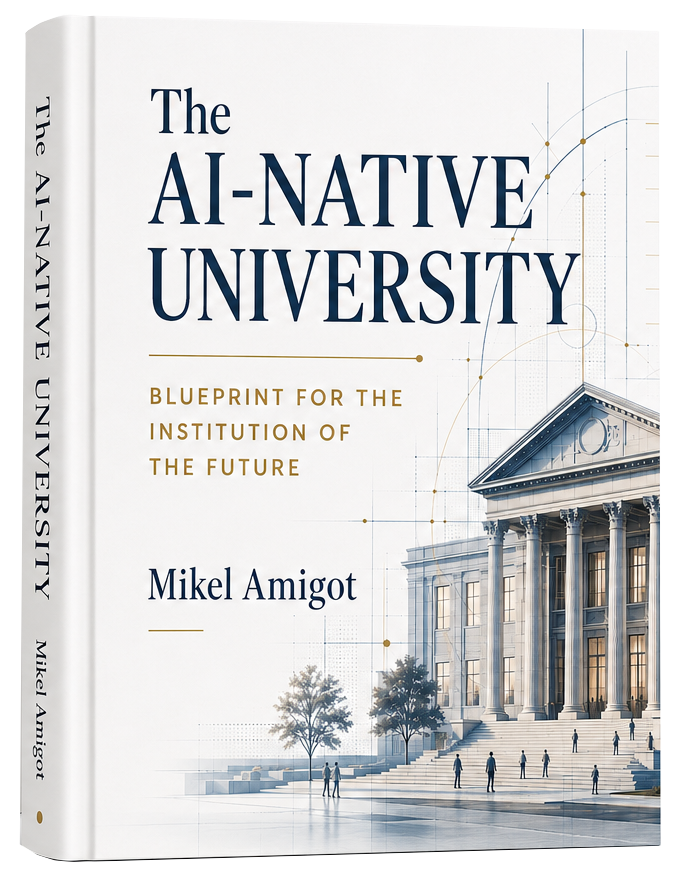
The advent of artificial intelligence, coupled with existing enrollment pressures, is fundamentally reshaping the landscape of higher education, prompting institutions to re-evaluate their strategic priorities. Leaders in academia, such as new deans, are increasingly focusing on how AI will influence both academic programs and institutional operations, often in the context of broader federal scrutiny. This transformative period necessitates a proactive approach to integrate AI responsibly and effectively across campuses.
A significant challenge emerges from the widening chasm between students' rapid adoption of AI tools and the slower pace of institutional change. While students are increasingly leveraging AI for various academic tasks, universities often struggle to adapt their policies, curricula, and infrastructure at a commensurate speed. This disparity can lead to inconsistencies in academic expectations and a lack of clear guidance for both students and faculty.
Addressing this divide requires comprehensive strategies that not only acknowledge the pervasive influence of AI but also actively integrate it into institutional planning, curriculum design, and faculty development. Higher education leaders are tasked with navigating these complex dynamics to ensure that institutions remain relevant, competitive, and capable of preparing students for an AI-driven future, while simultaneously managing the pressures of student enrollment and evolving regulatory environments.
AI Integration, Assessment, and Faculty Development in Higher Education
As AI continues to permeate academic environments, higher education institutions are actively seeking robust methods for its integration and assessment. A key development in this area is the adoption of tools like the 'AI Assessment Scale' (AIAS), which helps strengthen the design of assessments to effectively evaluate AI-generated content and ensure academic integrity. Such initiatives are crucial for maintaining standards in an era where AI can significantly influence student work.
Beyond assessment, universities are also focusing on fortifying their AI education programs and expertise. This includes strategic appointments, such as that of Dr. Saman Sargolzaei at Belhaven University, aimed at enhancing the institution's capacity to teach and research AI. These appointments signal a commitment to not only understanding AI's impact but also to leading in its educational development.
The overarching goal is to equip both students and faculty with the necessary skills and understanding to navigate the complexities of AI. This involves developing curricula that incorporate AI ethics, applications, and critical evaluation, alongside providing professional development opportunities for educators. By strengthening AI assessment design and investing in faculty expertise, higher education can better prepare its community for the challenges and opportunities presented by artificial intelligence.
AI Policy, Safety, and Ethical Considerations in K-12 Education
The rapid integration of artificial intelligence into K-12 education has brought forth an urgent need for comprehensive policy development, particularly concerning student safety and ethical usage. A groundbreaking initiative saw students themselves contributing to the creation of an AI policy for schools, underscoring the importance of student perspectives in shaping the rules that will govern their learning environments. Educators are urged to pay close attention to these student-led efforts, recognizing their direct relevance and practical insights.
Simultaneously, the rise of AI in educational settings has amplified safety concerns across various states, exemplified by discussions in Nebraska. These concerns range from data privacy and algorithmic bias to the potential for misuse and the psychological impact on young learners. Schools are grappling with how to harness AI's benefits while mitigating its inherent risks, necessitating robust frameworks for responsible implementation.
Effectively addressing these challenges requires a collaborative approach involving students, educators, administrators, and policymakers. Developing clear, adaptable AI policies that prioritize student well-being, data security, and ethical considerations is paramount. Without such foundational guidelines, the potential benefits of AI in K-12 education could be overshadowed by unforeseen risks and negative consequences.
AI Tools and Teacher Adoption in K-12
The landscape of K-12 education is rapidly transforming with the widespread adoption of artificial intelligence tools, both in administrative functions and classroom instruction. Companies like GoGuardian are introducing AI-powered recommendation engines in administrative platforms, such as GoGuardian Admin, to enhance efficiency and support school operations. These tools aim to streamline tasks, provide insights, and potentially improve student outcomes through intelligent automation.
Concurrently, a new report from K12 Academics reveals a significant trend: approximately 60% of teachers are now utilizing AI in their classrooms. This widespread adoption underscores the perceived utility and potential of AI to assist with lesson planning, content generation, and personalized learning. However, the report also highlights a critical gap: the majority of these teachers have received no formal training on how to effectively or ethically integrate AI into their teaching practices.
This disparity between rapid adoption and insufficient training poses substantial challenges for the K-12 system. While teachers are eager to leverage AI's capabilities, the lack of professional development can lead to inconsistent application, missed opportunities, and potential misuse. Bridging this training gap is essential to ensure that AI integration is both effective and responsible, maximizing its benefits for students and educators alike while minimizing potential pitfalls.
Specialized Research and Applications of AI in Education
Beyond the general integration and policy discussions, significant initiatives are underway to explore the specific applications and impacts of AI within specialized educational fields. One notable effort involves Carnegie Mellon University (CMU) leading a national study focused on the integration of artificial intelligence into arts education. This targeted research aims to understand how AI can enhance creativity, provide new tools for artistic expression, and reshape pedagogical approaches within the arts.
Such specialized studies are crucial for uncovering nuanced insights into AI's potential and limitations in distinct academic disciplines. While general discussions about AI in education often focus on STEM fields or administrative efficiencies, examining its role in areas like the arts can reveal innovative uses and unique challenges that might otherwise be overlooked. This research could explore how AI assists in generating new artistic forms, personalizing learning experiences for art students, or even democratizing access to arts education.
These focused investigations contribute significantly to a broader, more comprehensive understanding of AI's multifaceted role in education. By delving into specific domains, researchers can develop tailored strategies, curricula, and tools that maximize AI's benefits while addressing the particular ethical and practical considerations unique to each field. The CMU study exemplifies this targeted approach, paving the way for a deeper integration of AI across the full spectrum of educational disciplines.