Universities
Monday, January 12, 2026
Higher Education Policy and Reform
Several institutions are undergoing significant policy changes and reforms. In Greece, a purge of 300,000 'eternal' students is considered 'long overdue,' suggesting a streamlining effort within the Greek higher education system. Meanwhile, the UKRI faces 'challenging' new targets for industry-funded research, indicating a push for greater collaboration between academia and industry.
These shifts highlight evolving priorities in higher education, with a focus on efficiency, industry partnerships, and potentially stricter academic standards. The reforms also raise questions about access to education and the role of government in shaping research agendas.
Academic Freedom and Censorship
Academic freedom is under scrutiny in multiple contexts. An Iranian scholar community faces potential clampdowns amidst spreading protests, raising concerns about academic freedom and expression in Iran. In the United States, Tennessee university reinstated a professor fired for a post criticizing Charlie Kirk, suggesting a legal or administrative challenge to the initial firing was successful.
These events highlight the ongoing tension between academic freedom, political expression, and institutional control. The outcomes of these cases may set precedents for future disputes involving academic freedom and freedom of speech within educational institutions, both domestically and internationally.
Funding and International Relations in Education
International relations are influencing scholarship funding. The UAE has cut the UK from scholarship funding due to extremism concerns, indicating a potential shift in educational partnerships and priorities. This decision could impact UK universities reliant on UAE funding and limit opportunities for students seeking scholarships to study in the UK.
This development underscores the interconnectedness of international politics and higher education funding. It also raises questions about the criteria used to assess extremism concerns and the potential impact on academic exchange programs and international collaborations.
Inclusion and Discrimination in Education
Pomona College reached a settlement with the federal government over anti-Semitism claims, suggesting an investigation found merit in the allegations. This settlement likely involves measures to address and prevent anti-Semitism on campus, potentially including policy changes, training programs, and increased monitoring.
The settlement underscores the importance of creating inclusive and safe environments for all students, regardless of their religious or ethnic background. It also highlights the role of federal oversight in ensuring compliance with anti-discrimination laws and promoting a welcoming campus climate.
Innovation and Curriculum Development
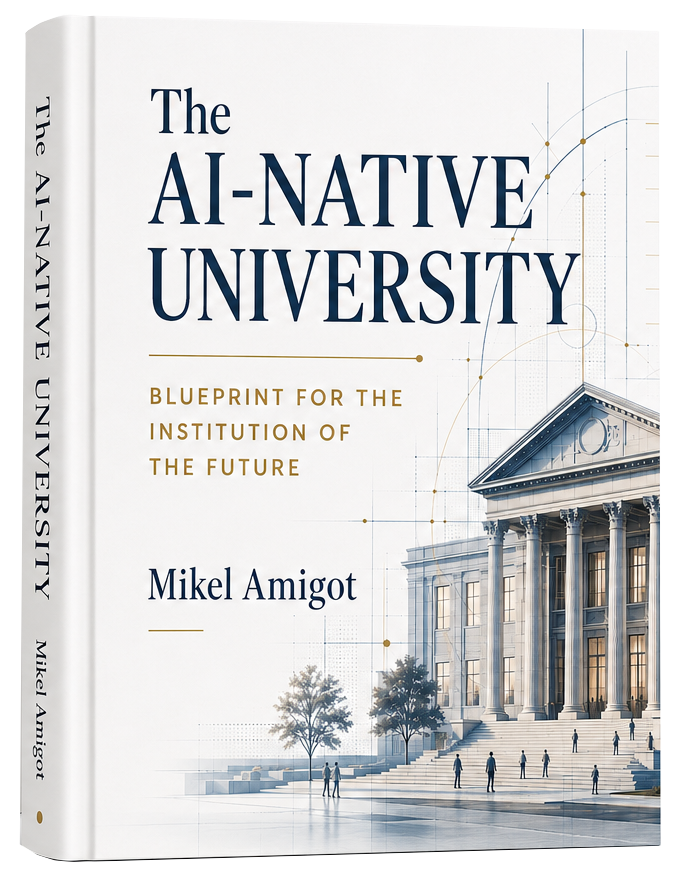
Several institutions are investing in new initiatives and curriculum development. New England Institute of Technology announced a new Innovation Center for Building Sciences, indicating a focus on practical, hands-on learning and industry partnerships. Ohio State University launched an initiative requiring students to study AI, reflecting the growing importance of artificial intelligence across various disciplines.
These developments demonstrate a commitment to preparing students for the future workforce by providing them with cutting-edge skills and knowledge. The focus on innovation centers and AI education suggests a proactive approach to adapting curricula to meet the evolving demands of the job market.