Technology
Monday, January 12, 2026
AI in Healthcare
AI is transforming healthcare by streamlining patient access and improving communication. AI-driven solutions are being implemented to enhance efficiency and provide better patient experiences. These technologies aim to optimize various aspects of healthcare delivery, potentially leading to improved outcomes and reduced costs.
The focus is on leveraging AI to create more accessible and efficient healthcare systems. This includes using AI to automate tasks, personalize treatment plans, and improve communication between patients and healthcare providers. The ultimate goal is to make healthcare more convenient and effective for everyone involved.
AI in Education
Artificial intelligence is rapidly permeating the education sector, influencing everything from pre-kindergarten classrooms to university administration. One in three pre-K teachers are already utilizing generative AI in their classrooms, highlighting the technology's growing presence. AI is also being explored as a tool to equalize access to higher education, particularly for students outside of major metropolitan areas.
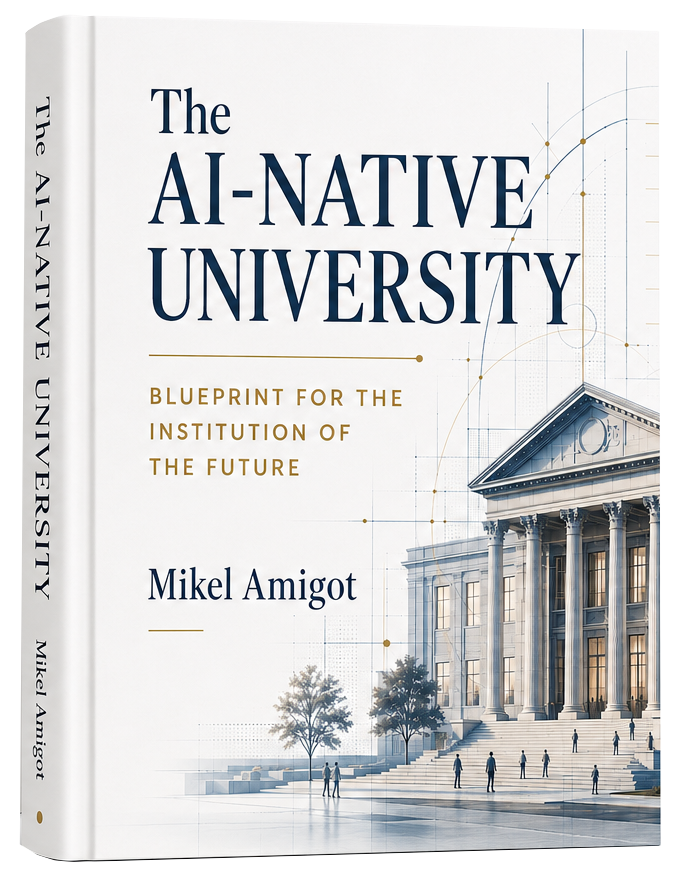
Universities are considering how AI agents could reshape their operational structures by 2026. Additionally, countries like Kazakhstan are actively integrating AI into their education systems. However, the rapid adoption of AI raises concerns about whether guidance and ethical frameworks are keeping pace with its implementation.
The AI Revolution
The AI revolution is underway, transforming various aspects of society and industry. This technological shift presents both opportunities and challenges, requiring careful navigation and adaptation. Understanding the potential impacts of AI is crucial for individuals and organizations alike.
As AI continues to evolve, it is essential to stay informed about its developments and implications. This includes understanding the ethical considerations, potential risks, and opportunities associated with AI. By embracing a proactive and informed approach, individuals and organizations can effectively navigate the AI revolution and harness its potential for positive change.
Visual AI and Innovation
Visual AI is taking center stage at technology showcases like CES, demonstrating its increasing importance in the tech landscape. FIRSTHABIT's 'Chalk 4.0' is highlighted as a significant innovation within Eureka Park. This advancement showcases the growing capabilities and potential applications of visual AI.
The focus on visual AI at events like CES underscores its potential to revolutionize various industries. This technology offers new ways to interact with and understand the world around us, leading to innovative solutions and applications. The success of 'Chalk 4.0' further exemplifies the impact of visual AI on the future of technology.
Ethical Considerations of AI
The rapid proliferation of AI raises critical ethical concerns that demand immediate attention. The need for clear guidance and frameworks to govern the use of AI is becoming increasingly apparent, particularly as its adoption accelerates across various sectors.
One central issue is ensuring equitable access to the benefits of AI, preventing the technology from exacerbating existing inequalities. This requires careful consideration of how AI is developed, deployed, and regulated to ensure that its benefits are shared broadly and that potential biases are mitigated. The development of ethical guidelines and regulations is crucial for responsible AI development and deployment.