Technology
Friday, April 10, 2026
AI in Education: Overview and Impact
Artificial intelligence is rapidly infiltrating the education sector, with students widely embracing AI tools. This widespread adoption is changing classrooms for both students and teachers, presenting both opportunities and challenges. The integration of AI spans various aspects of education, from assistive technologies to homework assistance.
However, concerns are growing about the potential impact on critical thinking skills and the need for guidance and guardrails to ensure responsible use. The OECD also warns about the potential for overuse of AI chatbots leading to procrastination and memory loss, emphasizing the importance of balanced integration and mindful application of AI in educational settings.
Student Adoption and Attitudes Towards AI
Students have largely embraced AI tools in their educational pursuits, with many using them for homework and other learning activities. This widespread adoption indicates that the debate about AI's place in education is, to some extent, already settled among students.
Despite the prevalent use, Gen Z's adoption of AI has plateaued, and skepticism is on the rise. This suggests a growing awareness of the potential drawbacks and limitations of AI tools, prompting a more cautious approach to their integration into academic workflows.
AI Assistive Technology and Inclusion
AI assistive technology is playing an increasingly important role in improving inclusion within K-12 environments. These technologies provide tailored support and resources for students with diverse learning needs, helping to create more equitable and accessible educational experiences.
By leveraging AI, educators can better address the unique challenges faced by students with disabilities, fostering a more inclusive and supportive learning environment for all. This application of AI has the potential to transform special education and promote greater equity in schools.
AI Education and Curriculum Development
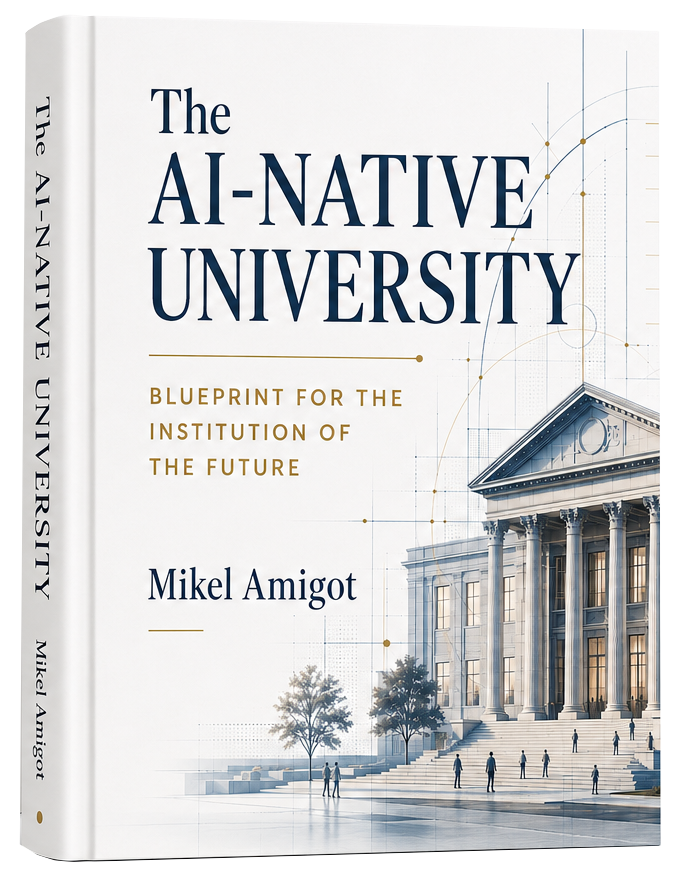
U.S. universities are rapidly launching standalone AI degree programs in response to surging demand for professionals with AI expertise. This reflects a growing recognition of the importance of AI education and the need to prepare students for careers in this rapidly evolving field.
Teachers are advocating for clear guidelines and guardrails on AI use in the classroom, and experts have addressed Congress on this matter. This highlights the need for comprehensive training and support for educators to effectively integrate AI into their teaching practices and address the ethical considerations associated with AI in education.
AI Competitions and Student Achievements
Sixth-graders from Hunt Middle School have achieved notable success by winning the Presidential AI Challenge. This accomplishment showcases the potential of young students to engage with and excel in AI-related fields.
Such competitions provide valuable opportunities for students to develop their AI skills, fostering innovation and creativity. These events also encourage engagement with STEM fields and inspire future generations to pursue careers in AI and related disciplines.