Technology
Sunday, March 8, 2026
AI Integration in Higher Education
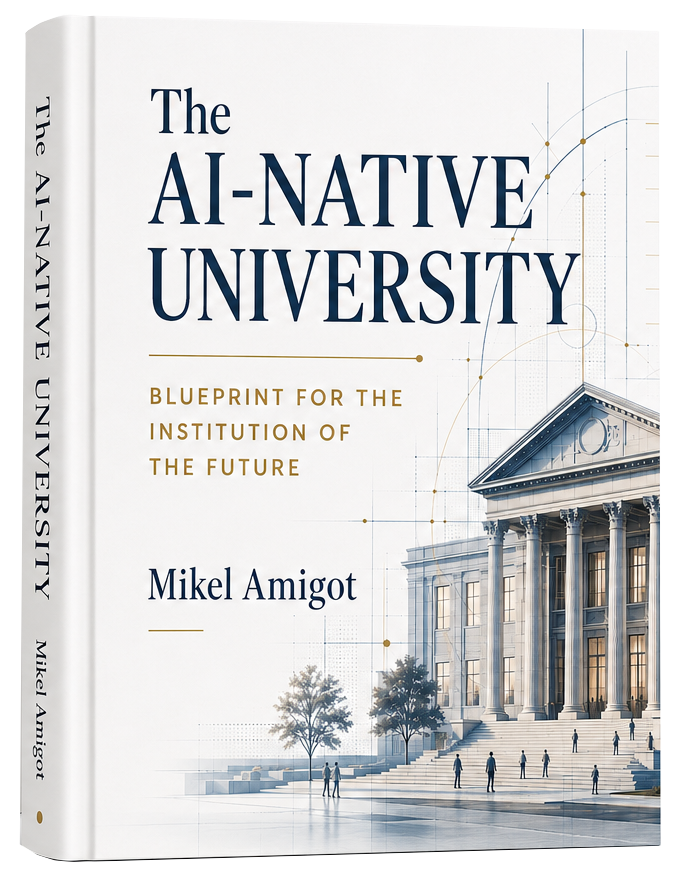
Artificial intelligence is rapidly transforming higher education, prompting institutions to adapt their policies and teaching methods. Universities are grappling with how to integrate AI into curricula, address academic integrity concerns, and prepare faculty for this new landscape.
Anthropic has established a Higher Education Advisory Board to shape AI governance, while UC Irvine has launched a faculty development course to address 'AI Tension.' A global study highlights an 'AI Gap' between student usage and institutional policy, emphasizing the need for clear guidelines and training. These initiatives reflect a growing awareness of the need to proactively manage AI's impact on higher education.
AI and Academic Integrity
The rise of AI in education presents a complex challenge to academic integrity. While AI tools can be used for cheating, they also offer opportunities to enhance learning and critical thinking skills. Educators are grappling with how to balance these competing forces.
The focus is shifting from viewing AI solely as a shortcut to recognizing its potential as a tool for promoting deeper understanding. Rethinking the AI threat involves finding ways to leverage AI to foster human critical thinking rather than simply replacing it.
AI Policy and Guidance in Education
Global and national organizations are actively developing policies and guidelines to govern the use of AI in education. These initiatives aim to ensure responsible AI development and deployment, promoting ethical considerations and equitable access.
UNESCO has issued global policy guidance on AI in higher education and research, providing a framework for institutions to adopt. In the United States, a federal executive order calls for national AI curriculum integration in K-12 schools, signaling a commitment to preparing students for an AI-driven future.
AI's Impact on Teaching
The advent of AI is changing the role of educators, requiring them to adapt their teaching methods and embrace new technologies. The joy of teaching English, for example, is being redefined in the context of AI-powered tools and resources.
Educators are exploring how to leverage AI to enhance their teaching, personalize learning experiences, and prepare students for the future workforce. The focus is on fostering critical thinking, creativity, and problem-solving skills that are essential in an AI-driven world.
Investment in AI Education Initiatives
Significant investments are being made to support responsible AI development and campus innovation in education. These investments aim to foster research, develop educational resources, and promote ethical AI practices.
The U.S. Department of Education has awarded $169 million for responsible AI and campus innovation. This funding will support projects that explore the potential of AI to improve learning outcomes, enhance teaching methods, and promote equitable access to education.