Technology
Sunday, February 8, 2026
AI in Education: General Overview and Trends
The integration of Artificial Intelligence (AI) in education is rapidly increasing, becoming a central topic in discussions about the future of learning. AI is being explored for its potential to transform teaching methodologies, personalize learning experiences, and automate administrative tasks, sparking debates about its implications for students and educators alike.
Several news sources are closely monitoring the developments in AI within the education sector, covering everything from new AI-powered tools and platforms to the ethical considerations and challenges that arise with its implementation. These range from its impact on student outcomes to the evolving role of teachers in an AI-driven classroom. Understanding these trends is crucial for navigating the changing landscape of education.
AI Tools for Teachers and Academic Support
AI tools are emerging as valuable resources for educators, aimed at alleviating workload and enhancing teaching effectiveness. One such tool is designed to give teachers more time by automating tasks and providing data-driven insights into student performance. These tools are intended to allow teachers to focus more on individualized instruction and student engagement.
Furthermore, AI-powered platforms like BlackTom AI are launching innovative homework helper tools to provide enhanced academic support for students. These tools are designed to assist students with their assignments, offer personalized guidance, and improve their understanding of course material, aiming to improve academic outcomes through AI-driven assistance.
AI's Downsides and Concerns in Education
While AI offers numerous benefits in education, concerns are being raised about its potential downsides for students. These concerns include the potential for biased algorithms, reduced critical thinking skills due to over-reliance on AI tools, and the ethical implications of using AI to track student performance and behavior.
Education stakeholders are emphasizing the need for careful consideration of these downsides and the importance of implementing AI responsibly in schools. Ensuring equitable access to technology, protecting student privacy, and promoting critical thinking skills are essential considerations as AI becomes more prevalent in education.
AI in Higher Education: Necessity and Implementation
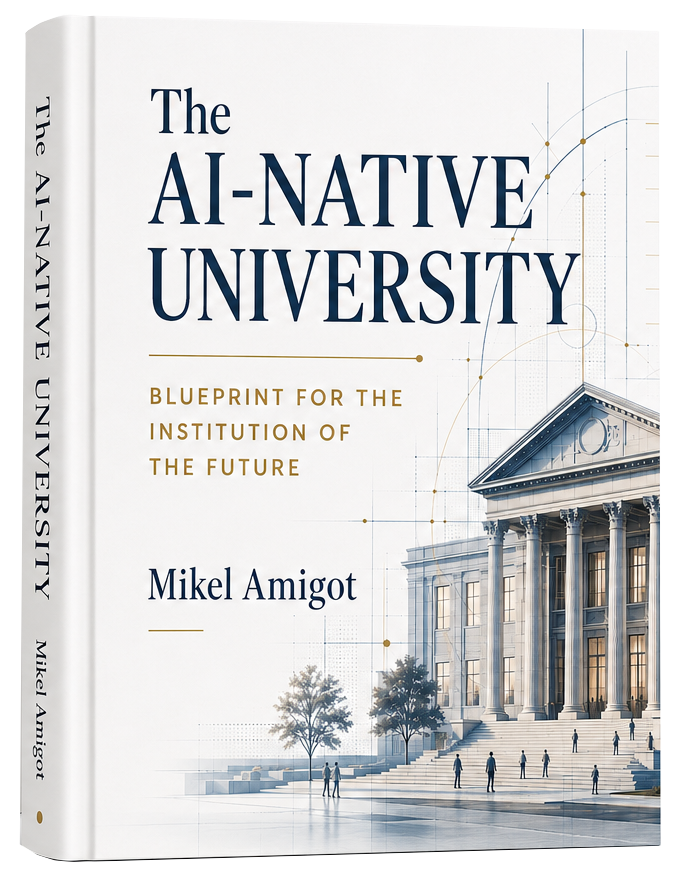
University presidents are increasingly recognizing AI as a necessity for higher education, emphasizing its potential to enhance research, improve student outcomes, and streamline administrative processes. However, they also stress the importance of implementing AI with appropriate guardrails and ethical considerations to mitigate potential risks.
The integration of AI in higher education requires careful planning and a commitment to responsible innovation. Universities are encouraged to develop clear guidelines for AI use, invest in training and support for faculty and students, and prioritize ethical considerations to ensure that AI is used in a way that benefits the entire academic community.
EdTech Investment and Workforce Development with AI
Investment continues to flow into the EdTech sector, with former AllTrails CEO joining an early-stage EdTech company focused on democratizing access to standardized test preparation. This highlights the ongoing interest in innovative solutions that leverage technology to improve educational outcomes and expand access to learning opportunities.
Furthermore, governments are backing AI initiatives to build future workforces. NetDragon, for instance, is leading a government-backed AI push in Thailand, aiming to develop the skills and knowledge necessary for the country to thrive in an AI-driven economy. These initiatives demonstrate the growing recognition of AI's importance in preparing individuals for the jobs of tomorrow.