U.S. & World
Friday, November 6, 2026
U.S. Midterm Elections and Congressional Dynamics
The landscape of U.S. politics is undergoing a significant shift in the wake of the recent midterm elections, with Democrats seeing their House majority continue to grow as more votes are tallied. This expanding lead solidifies the party's control over the lower chamber, setting the stage for a divided Congress in the coming term.
While the House picture becomes clearer, a tight Senate race in Mississippi highlights the ongoing electoral battles across the country. The outcome in Mississippi could hinge on the meticulous count of provisional ballots, underscoring the razor-thin margins and the critical importance of every vote in key contests.
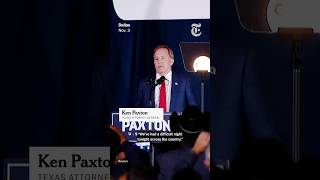
On the Republican side, the midterms rout has triggered internal dissent and finger-pointing. Prominent figures like Pete Hegseth are quickly finding themselves at odds with their party, as Republicans grapple with the disappointing results and strategize on how to regain momentum ahead of future elections. The post-election period is proving to be a time of introspection and potential realignment within the GOP.
Trump Administration: Policy, Investigations, and Political Future
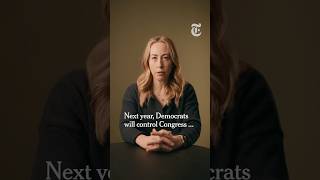
With a Democratic Congress poised to take power, President Trump's administration faces a new era of scrutiny and potential policy challenges, particularly concerning his foreign policy agenda. Analysts are questioning whether the shift in congressional control will force the President to alter his approach to international relations, or if he will double down on his established strategies despite legislative pressure.
Adding to the impending challenges, Democrats have signaled their intent to launch extensive investigations into various Trump deals and business practices. These probes are not merely about oversight but are also viewed through the lens of the upcoming 2028 presidential race, suggesting a long-term strategy to shape the political narrative and potentially impede future Republican candidacies.
Amidst this heightened political tension, key allies within the Republican party are reaffirming their loyalty. Senator Marco Rubio, for instance, has publicly denied any plans to exit politics and has vowed to serve President Trump's full second term, signaling continued support for the administration despite the growing pressure from the opposition and the changing congressional landscape.
International Diplomacy and Geopolitical Engagements
In a surprising and rare diplomatic achievement, First Lady Melania Trump has reportedly brokered an agreement between Russia and Ukraine. This development, touted by the First Lady, represents a significant and unexpected foray into international conflict resolution by a member of the U.S. presidential family, moving beyond traditional ceremonial duties.
Details surrounding the agreement remain sparse, but its announcement suggests a potential breakthrough in the long-standing tensions and conflict between the two Eastern European nations. Such a high-level intervention, especially from a non-traditional diplomatic channel, could signify a new approach to complex geopolitical disputes under the current administration.
The involvement of the First Lady in such a sensitive international matter is highly unusual and and is likely to draw considerable attention from global political observers and media alike. It raises questions about the scope of her influence and the potential for unconventional diplomatic avenues to yield results in intractable conflicts.
Global Market Volatility and Tech Sector Concerns
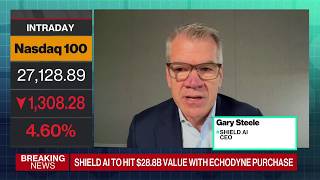
Global financial markets are experiencing a significant downturn, with Japan's Nikkei index plummeting by 5.5% as a market rout deepens. This sharp decline reflects a broader trend of investor apprehension, largely fueled by growing concerns surrounding the artificial intelligence (AI) sector and its potential implications for the global economy.
The ripple effects of these AI worries are being felt across various markets, prompting a wave of reactions from analysts and investors worldwide. Many are attempting to decipher the underlying causes of this sudden loss of confidence in a sector previously lauded for its growth potential. The market's volatility suggests a re-evaluation of tech valuations and future growth projections.
Experts are now closely monitoring the situation, debating whether this is a temporary correction or the beginning of a more prolonged period of instability for AI-related investments. The widespread reaction underscores the interconnectedness of global markets and the profound impact that emerging technological trends, and anxieties surrounding them, can have on investor sentiment and economic stability.
Regional Humanitarian and Economic Crisis
Sudan is currently grappling with a severe and escalating fuel crisis that is suffocating the nation and pushing it to the brink of a widespread humanitarian catastrophe. The acute shortage of fuel has crippled essential services, transportation, and agricultural production, leading to dire consequences for the populace.
This critical lack of fuel is directly threatening to trigger a famine across the country, as the delivery of food aid and agricultural supplies becomes increasingly difficult. The crisis exacerbates existing vulnerabilities, particularly in regions already struggling with food insecurity, putting millions of lives at risk.
Beyond the immediate humanitarian concerns, the fuel crisis is also precipitating a broader economic collapse. Businesses are unable to operate, prices for basic goods are soaring, and the national infrastructure is buckling under the pressure. International observers are calling for urgent intervention to avert a full-scale disaster and provide crucial support to the Sudanese people.