Technology
Wednesday, January 7, 2026
AI Integration in Education
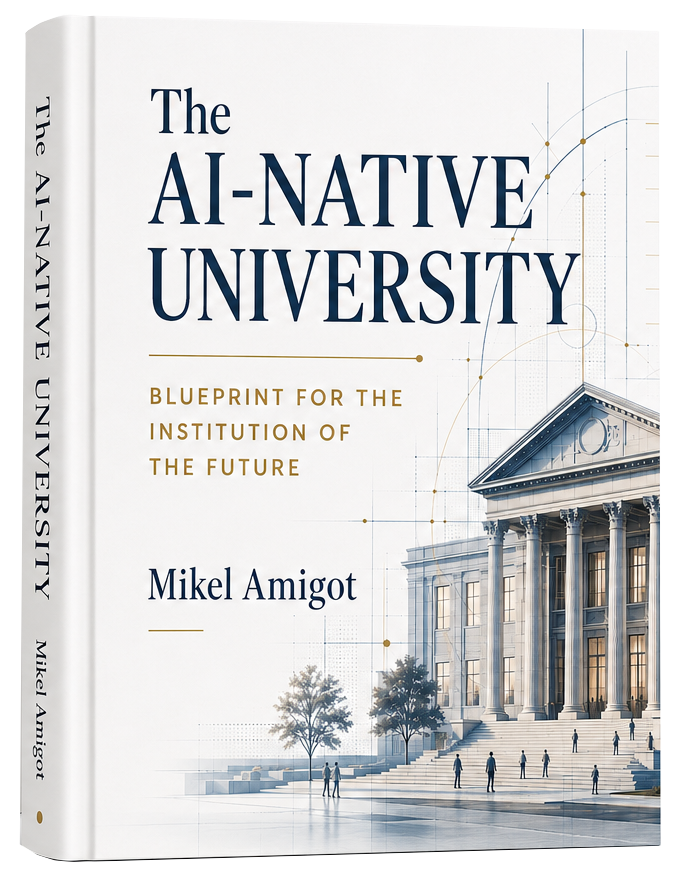
Artificial intelligence is rapidly transforming the education landscape, with AI tools becoming increasingly prevalent in classrooms and learning platforms. The rise of AI in education presents both opportunities and challenges for educators, administrators, and students alike. Experts predict continued growth and evolution of AI's role in edtech.
While AI offers potential benefits such as personalized learning, automated grading, and enhanced student support, concerns exist regarding the potential displacement of teachers, the ethical implications of AI-driven decision-making, and the need for adequate guidance and training to ensure responsible and effective AI implementation. Educators are actively exploring strategies to integrate AI into their teaching practices, leveraging its capabilities to enhance student engagement and improve learning outcomes.
AI Tools and Platforms for Learning
Several AI-powered tools and platforms are emerging to enhance learning experiences and support students in various academic areas. Mathleaks recently launched MathVizy to simplify math learning, while other platforms leverage AI coaching to help students grasp challenging concepts. These tools aim to provide personalized support, adaptive learning experiences, and immediate feedback to students.
Second Nature, an AI training platform, secured $22 million in funding, highlighting the growing investment in AI-driven educational solutions. These platforms often incorporate features such as automated grading, personalized learning paths, and AI-powered tutoring to cater to individual student needs and learning styles, potentially revolutionizing traditional educational methods.
AI in Math Education
AI is increasingly being used to improve math education by simplifying complex concepts and providing personalized support to students. Platforms like Mathleaks' MathVizy offer innovative tools for visualizing math problems, while other platforms leverage AI coaching to help students tackle challenging math concepts. These AI-powered solutions aim to make math more accessible and engaging for students of all levels.
The use of AI in math education can potentially lead to improved student understanding, increased problem-solving skills, and greater confidence in math. By providing personalized feedback, adaptive learning paths, and interactive learning experiences, AI tools can help students overcome their math challenges and achieve their academic goals.
Integrating AI into the Classroom: Strategies and Tips
Educators are seeking guidance on how to effectively integrate AI into their classrooms to enhance teaching and learning. Implementing AI in education requires careful planning and consideration of various factors, including curriculum alignment, teacher training, and student access. Experienced educators are sharing their top tips for integrating AI into the classroom, emphasizing the importance of thoughtful implementation and a focus on student learning outcomes.
K-12 administrators are also seeking roadmaps for AI success, outlining key steps and considerations for implementing AI initiatives across their schools. By providing educators with the necessary resources and support, schools can ensure that AI is used effectively to improve student achievement and prepare students for the future.
The Impact of AI on Teachers and the Future of Education
The increasing use of AI in education raises concerns about the potential impact on teachers and the overall quality of learning. While AI can automate certain tasks, such as grading, questions arise about what is lost when AI replaces human interaction and personalized feedback. There is a debate about whether AI should be used to augment or replace teachers.
It's crucial to consider the ethical implications of AI-driven decision-making in education and to ensure that AI is used responsibly and ethically. The focus should be on using AI to enhance the role of teachers, not to replace them, and to ensure that students receive a well-rounded education that develops critical thinking, creativity, and social-emotional skills.