Technology
Thursday, August 6, 2026
AI-Native Curricula and Degree Programs
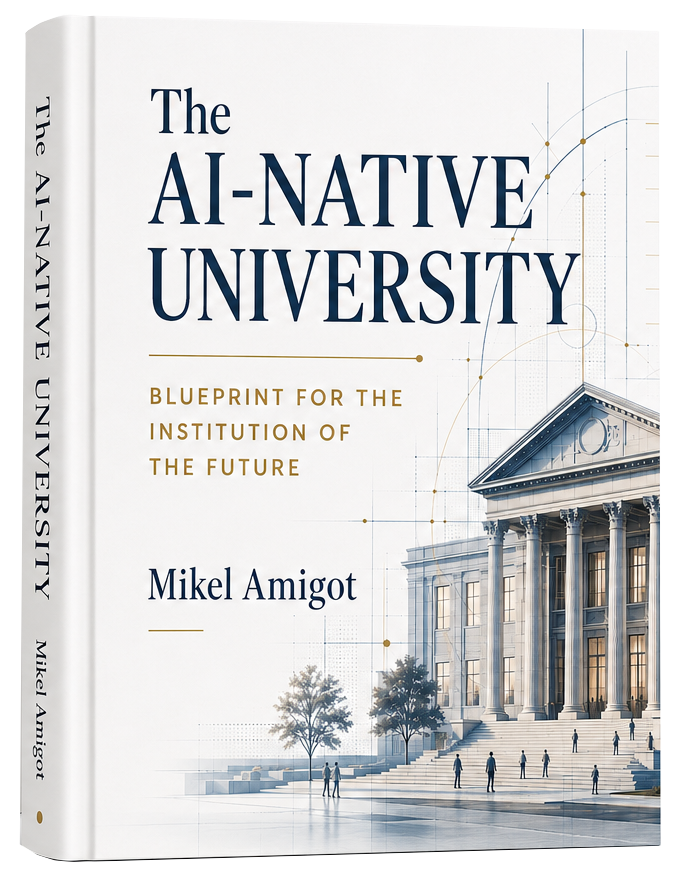
Educational institutions are rapidly innovating their offerings to integrate artificial intelligence at a foundational level, developing comprehensive AI-native curricula and specialized degree programs. A significant collaboration has been announced between Western Governors University (WGU) and Anthropic, aiming to establish an "AI-native learning and credentialing model." This partnership signifies a forward-thinking approach to embed AI directly into the structure of higher education, moving beyond supplementary tools to core learning pathways.
Further demonstrating this trend, City Colleges of Chicago has launched its inaugural AI Degree Program. This initiative provides a dedicated academic track designed to prepare students with specific skills and knowledge essential for careers in the burgeoning field of artificial intelligence, addressing the growing demand for an AI-competent workforce.
These developments highlight a proactive stance by educational leaders to not only adapt to technological advancements but to actively shape the future of learning and professional development in the AI era. By pioneering such programs, institutions are ensuring that their graduates are well-prepared to navigate and contribute to a world increasingly influenced by artificial intelligence.
Educator Empowerment and AI Professional Development
As artificial intelligence continues to reshape the educational landscape, empowering educators with the necessary tools and training has become a critical focus. Anthropic has launched "Claude for Teachers," offering free access to its advanced AI assistant for U.S. K-12 educators. This initiative provides a direct and accessible resource, enabling teachers to explore AI's potential for lesson planning, content creation, and personalized student support.
Beyond tool access, comprehensive professional development is being prioritized to ensure teachers are well-equipped to navigate the complexities of AI. A significant effort is underway with a teachers' union offering specialized AI training, bolstered by a substantial $23 million in funding from major technology companies. This collaborative funding model underscores the shared commitment of industry and education stakeholders to upskill the teaching workforce.
These initiatives collectively aim to foster a confident and capable teaching force that can effectively leverage AI to enhance learning outcomes and prepare students for an AI-infused world. By providing both direct access to AI technologies and robust training programs, the goal is to integrate AI thoughtfully and beneficially into classroom practices.
Student AI Literacy and Evolving Digital Skills
The imperative to cultivate student AI literacy and responsible technology use is rapidly gaining prominence in educational discourse. Programs are emerging to directly address this need, such as a summer initiative dedicated to teaching teens responsible AI use. This proactive approach aims to instill critical judgment and ethical considerations in young users, preparing them to navigate artificial intelligence safely and effectively.
Concurrently, foundational digital skills are evolving, requiring educators to adapt their teaching methods. Instructors are now tasked with showing students how to "Google effectively in the age of AI," emphasizing critical thinking and discernment in an information environment increasingly influenced by AI-generated content. This shift acknowledges the dynamic nature of information access and the need for new competencies.
However, a global survey of 45,000 individuals points to a significant institutional challenge: universities are perceived as "losing the AI race with their own students." This finding highlights a potential gap where students are rapidly adopting and utilizing AI tools, often ahead of institutional guidance, curriculum updates, and policy frameworks. Bridging this disparity is crucial to ensure students receive comprehensive support in developing essential AI literacy and digital skills.
Policy, Ethics, and Safety in AI and EdTech
The swift integration of artificial intelligence and other emerging technologies into education has spurred critical discussions surrounding policy, ethics, and safety. A House panel has convened to thoroughly examine the "harm vs. help" dichotomy of AI use in schools, signaling a governmental commitment to understanding and regulating the technology's broader impact on student welfare and academic integrity.
These policy-level debates are reflected in broader "edtech roundup" discussions, where AI safety and cybersecurity are highlighted as paramount concerns. The comprehensive overview emphasizes the importance of safeguarding student data, mitigating algorithmic bias, and establishing secure digital environments. Furthermore, the roundup touches upon the advent of "classroom robots," indicating that the scope of ethical and safety considerations extends to diverse emerging technologies within the learning space.
The collective focus on governance, ethical guidelines, and robust safety measures underscores a growing recognition that while technology offers immense potential for educational enhancement, its deployment must be guided by clear principles and proactive safeguards. This approach ensures that the benefits of AI and other edtech innovations are maximized while effectively mitigating risks, fostering an educational ecosystem that is both technologically advanced and deeply responsible.
Diversity and Innovation in EdTech
Innovation within the educational technology sector is increasingly focused on fostering diversity and inclusion, ensuring that technological advancements serve a wide array of learners and communities. A prime example of this commitment is the recognition of an "Indigenous edtech platform" at the TechDiversity 2026 Awards. This accolade highlights the importance of developing culturally relevant and inclusive digital tools that cater to specific community needs and perspectives, moving beyond a one-size-fits-all approach to education.
Such initiatives underscore a broader trend within edtech to champion solutions that promote equity and access, ensuring that technology bridges rather than widens existing educational gaps. The focus on diverse platforms demonstrates a sector keen on fostering innovation that is not only cutting-edge but also deeply empathetic and responsive to varied educational contexts.
By celebrating platforms that prioritize diversity, the edtech community signals its commitment to creating a more inclusive digital learning landscape. This continuous drive for innovative, diverse solutions is crucial for enriching educational experiences and ensuring that the benefits of technology are accessible and relevant to all students, regardless of their background or location.