Technology
Monday, April 6, 2026
AI Integration in Education: Prevalence and Attitudes
Artificial intelligence is rapidly permeating educational environments, with one in three pre-K teachers reportedly using generative AI in their classrooms. Students at Cal State are widely embracing AI tools, indicating a significant shift in how learning resources are utilized. Despite platform fatigue, educators are increasingly leveraging AI to address resource gaps and enhance their teaching practices.
However, the integration of AI is not without its challenges. Concerns exist regarding the reliability of AI-generated results and the potential impact on future job prospects. This highlights the need for careful consideration of the ethical and practical implications of AI in education, including the development of policies and strategies to ensure responsible and effective implementation.
Rethinking Assessment in the Age of AI
The proliferation of AI has exposed the flaws in traditional homework and assessment methods, necessitating a fundamental shift in how educators evaluate student learning. The concept of an AI-resistant classroom is increasingly considered a myth, prompting educators to design assessments that acknowledge and account for the presence of AI tools.
This involves creating assignments that emphasize critical thinking, problem-solving, and creativity, skills that are more difficult for AI to replicate. By focusing on these higher-order skills, educators can better assess student understanding and prepare them for a future where AI is ubiquitous.
AI's Impact on Educational Security
The rise of AI is not without its darker side, as it is supercharging cyberattacks, posing a significant threat to schools. This underscores the urgent need for educational institutions to bolster their cybersecurity defenses and implement proactive measures to protect sensitive data and systems.
Schools must prioritize educating staff and students about potential cyber threats and invest in robust security infrastructure to mitigate the risks associated with AI-driven cyberattacks. Staying informed about the latest threats and vulnerabilities is crucial for maintaining a secure learning environment.
Innovative AI-Driven Educational Models
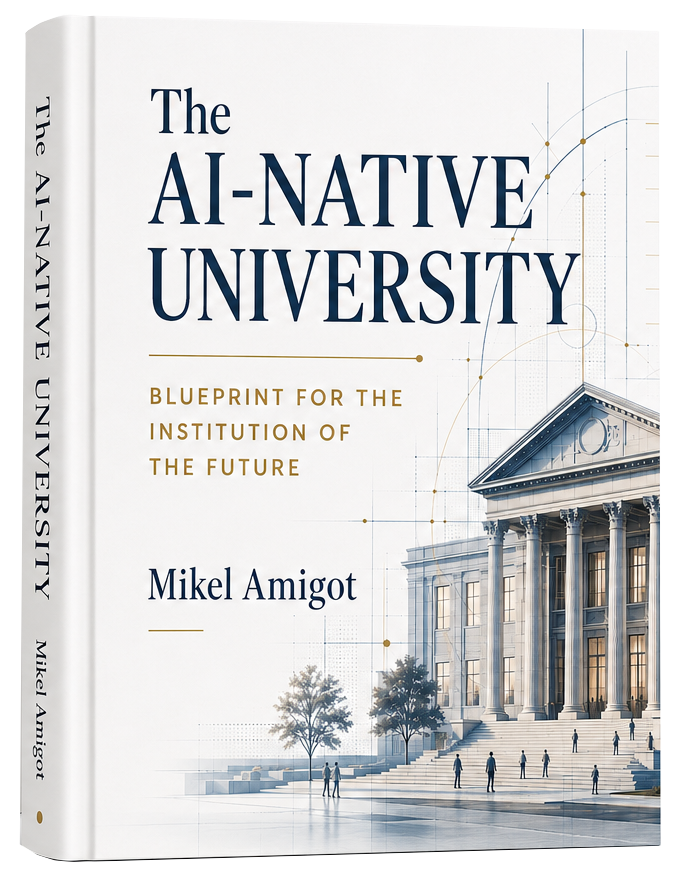
The landscape of education is rapidly evolving with the introduction of innovative AI-driven models. An example of this transformation is the planned opening of a teacher-free AI school in Chicago, signaling a radical departure from traditional classroom settings.
This experiment highlights the potential of AI to personalize learning experiences and potentially democratize access to education. However, questions remain regarding the effectiveness and ethical implications of such models, warranting further research and evaluation.
Ethical and Practical Considerations of AI in Education
The integration of AI into education presents a 'wicked problem,' characterized by its complexity and interconnectedness. A recent colloquium explored this multifaceted challenge, highlighting the need for careful consideration of the ethical and practical implications of AI in educational settings.
Discussions often revolve around issues such as data privacy, algorithmic bias, and the potential for AI to exacerbate existing inequalities. Navigating these challenges requires a collaborative effort involving educators, policymakers, and technology developers to ensure that AI is used responsibly and ethically to enhance learning outcomes for all students.