Technology
Friday, October 2, 2026
Strategic Planning and Policy for AI Integration
The integration of Artificial Intelligence into education is prompting a critical re-evaluation of pedagogical strategies and institutional frameworks. Educational leaders are grappling with fundamental questions regarding AI's role, moving beyond mere hype to understand its lasting impact on learning environments. This necessitates a thoughtful approach to policy development, akin to past debates surrounding tools like calculators, ensuring that schools correctly navigate the complexities of AI adoption.
Institutions are proactively establishing dedicated bodies to guide this transformation. For instance, the Beverly Hills Unified School District (BHUSD) has launched an AI task force, signaling a concerted effort to develop comprehensive strategies for AI integration. Such initiatives underscore the urgency for structured planning to address the opportunities and challenges presented by advanced technologies.
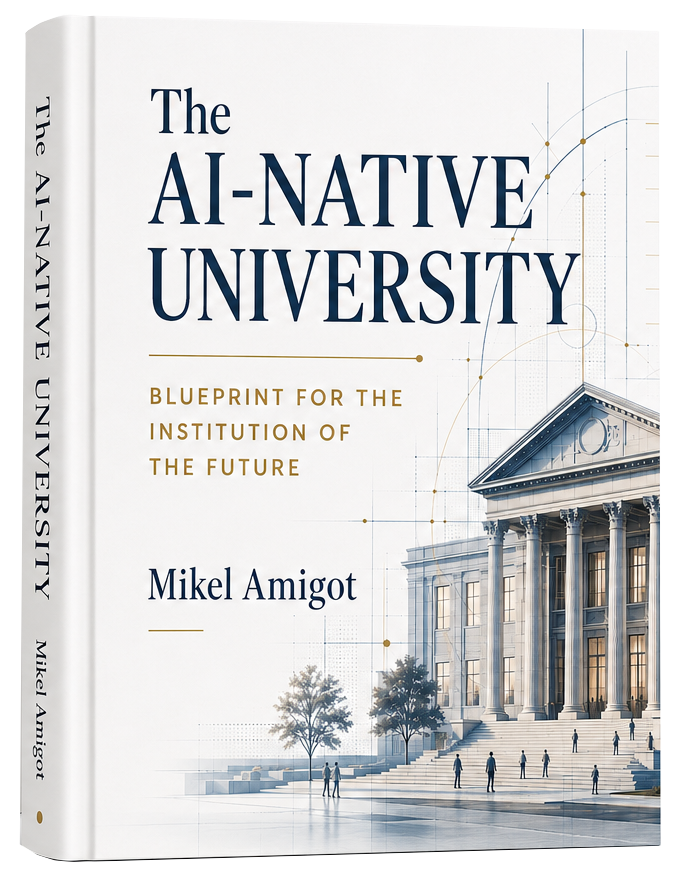
The broader conversation extends to defining the very future of education itself. Educators and policymakers are asking what schools should ultimately become in an AI-driven era, considering how learning, teaching, and administrative processes will evolve. This strategic foresight aims to shape an educational landscape where AI serves as a beneficial tool rather than a disruptive force, demanding careful consideration of ethical implications, equity, and educational outcomes.
Educator Training and Professional Development for AI
As artificial intelligence increasingly reshapes various sectors, the education field is recognizing the critical need to prepare its workforce for an AI-integrated future. A significant focus is now placed on equipping educators with the necessary knowledge and skills to effectively leverage AI tools and guide students through this evolving technological landscape. This preparation is seen as crucial for maintaining educational relevance and quality.
Initiatives like those at Coppin State University are at the forefront of this effort, actively working to equip urban educators with the competencies required to lead in AI-ready classrooms. Such programs aim to empower teachers not just to understand AI, but to strategically integrate it into their teaching methodologies, curriculum design, and student engagement strategies, particularly in diverse educational settings.
Further underscoring this trend, Iona University recently hosted an AI-Aware Education Conference, attracting over 200 educators. Events like these provide invaluable platforms for professional development, fostering dialogue, sharing best practices, and building a community of educators who are informed and proactive about AI's role in pedagogy. These conferences are vital for ensuring that teachers are not only aware of AI but also confident in applying it to enhance learning experiences.
AI's Impact on Learning Outcomes and Assessment
The integration of artificial intelligence into educational tools and student learning processes presents a dual challenge, impacting both academic performance and the methods of evaluating student work. Early trials of AI-powered learning aids have yielded mixed results, prompting educators to critically assess their effectiveness and unintended consequences on student outcomes.
One notable trial involving an AI tutor revealed concerning trends, reporting lower grades and diminished student engagement among participants. This finding suggests that while AI offers potential benefits, its implementation must be carefully considered to avoid adverse effects on learning motivation and academic achievement. The efficacy of AI as a direct pedagogical assistant, therefore, requires further rigorous research and thoughtful application.
Concurrently, the rise of AI-assisted student projects, particularly at advanced levels like MBA programs, introduces complex questions regarding assessment. Educators are grappling with how to fairly and accurately evaluate work that may have been significantly aided by AI tools, necessitating new frameworks and guidelines for grading. This evolving landscape demands innovative approaches to ensure academic integrity and to accurately measure students' individual comprehension and critical thinking skills in an AI-augmented environment.
Preparing Students for the AI-Driven Future Workforce
As artificial intelligence continues to reshape industries and job markets globally, educational institutions are increasingly focusing on preparing students for the demands of an AI-driven future workforce. Universities are recognizing the imperative to adapt their curricula and programs to equip graduates with the skills, understanding, and adaptability necessary to thrive in an evolving professional landscape where human-AI collaboration will be commonplace.
A prominent example of this proactive approach is a university's 'AI and Future of Work' series, specifically designed to address how students can be best prepared for what comes next. This initiative likely explores various facets of AI's impact on employment, including the emergence of new job roles, the transformation of existing ones, and the critical skills - such as critical thinking, problem-solving, ethical reasoning, and digital literacy - that will be paramount.
Such programs aim to bridge the gap between academic learning and industry needs, ensuring that students are not only proficient in core disciplines but also possess a foundational understanding of AI technologies and their ethical implications. By fostering a forward-thinking educational environment, universities aspire to empower students to navigate the complexities of an AI-augmented economy and contribute meaningfully to society.
Innovation and Product Development in EdTech AI
The landscape of educational technology is experiencing rapid innovation, particularly within the realm of artificial intelligence, as developers strive to create sophisticated tools that enhance learning and administrative efficiency. Recognition for leading products in this sector highlights the growing maturity and impact of AI-powered solutions designed specifically for academic environments.
A notable achievement in this space is Ellucian Student being named the Best SaaS Product for Education in the prestigious 2026 SaaS Awards. This accolade underscores the significant advancements being made in developing software-as-a-service platforms that leverage AI to support student success, streamline educational processes, and deliver enhanced user experiences within higher education institutions.
Such awards not only celebrate technological excellence but also signal the market's demand for robust, scalable, and intelligent solutions that can address the complex needs of modern education. The success of products like Ellucian Student demonstrates how AI is moving beyond experimental stages to become an integral component of the educational technology ecosystem, promising to revolutionize how institutions operate and how students learn and engage.