Technology
Friday, April 3, 2026
AI Integration in Education
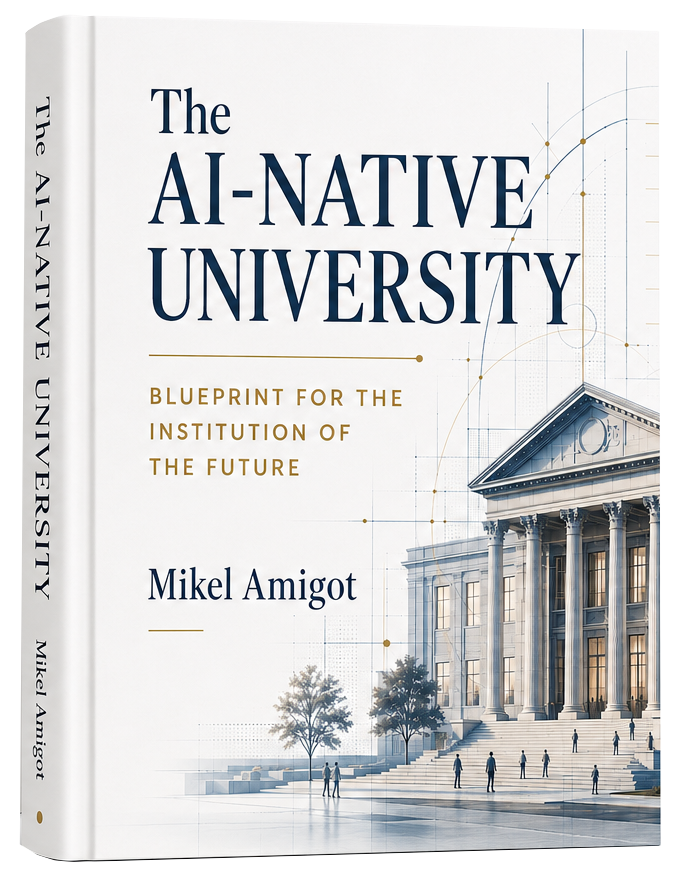
AI is increasingly becoming a routine part of college students' academic lives, despite limitations imposed by some campuses. Students are actively weighing the impact of AI on their chosen majors and future career paths, indicating a growing awareness and consideration of AI's transformative potential in higher education. The integration of AI in education is a multi-faceted issue, encompassing curriculum changes, ethical considerations, and the development of new tools and platforms.
The use of AI extends beyond the classroom, influencing teacher hiring practices and even playing a role in book ban disputes, impacting school districts nationwide. Schools like those in Napa Valley are emphasizing honesty and ethics in their AI policies, reflecting a proactive approach to addressing the challenges and opportunities presented by AI in education. The debate surrounding AI in education is complex and evolving, requiring careful consideration of its impact on students, educators, and the broader educational landscape.
AI-Powered Learning Tools and Platforms
New AI-powered platforms are emerging, transforming LinkedIn posts into corporate learning strategies, highlighting the potential for AI to personalize and streamline professional development. Some educators are experimenting with AI tools to combat the misuse of AI by students, such as the creation of apps designed to challenge and engage with AI-generated answers.
These innovative approaches underscore the dynamic interplay between educators and AI technology, as they explore ways to leverage AI's capabilities while mitigating its potential drawbacks. The focus is on creating tools that promote critical thinking and genuine learning, rather than simply providing easy answers.
EdTech and Chatbot Debate
Damian Creamer raises concerns about EdTech companies focusing on adding chatbots, suggesting they may be misdirecting their efforts. He believes that simply integrating chatbots may not be the most effective way to leverage AI for educational advancement.
This perspective highlights the need for a more nuanced and strategic approach to AI implementation in education, emphasizing the importance of thoughtful design and pedagogical considerations over simply adopting the latest technological trends.
Ethical Considerations of AI in Education
The ethical considerations surrounding AI in education are becoming increasingly important as AI technologies become more prevalent. Schools like those in Napa Valley are taking proactive steps to emphasize honesty and ethics in their AI policies. This reflects a growing awareness of the potential for misuse and the need for clear guidelines.
As AI continues to transform the educational landscape, it is crucial to address the ethical challenges and ensure that AI is used responsibly and in a way that benefits all students.
AI's Impact on Careers and Hiring
AI is significantly impacting teacher hiring processes, potentially streamlining recruitment and identifying qualified candidates more efficiently. College students are actively considering AI's influence on their chosen majors and future career paths, demonstrating an awareness of the evolving job market.
These developments highlight the need for students and professionals to adapt to the changing demands of the workforce, acquiring new skills and knowledge to remain competitive in an AI-driven world.