Technology
Tuesday, February 3, 2026
AI in Education: Overview and Future Trends
The integration of Artificial Intelligence (AI) is rapidly transforming the education landscape, prompting discussions on its efficacy, responsible implementation, and future role. The focus is shifting towards moving beyond experimentation to embedding AI as infrastructure in higher education by 2026, indicating a growing acceptance and reliance on AI technologies within educational institutions.
The debate surrounding AI in education emphasizes the need for responsible approaches that prioritize student needs, with teacher expertise remaining crucial in guiding the direction of AI integration in classrooms. Factors such as affordability and accessibility are also key considerations, as evidenced by initiatives like Microsoft 365 Copilot, which aims to make AI more accessible to a wider audience. The imperative for demonstrating AI's efficacy in education by 2026 highlights the importance of ensuring that these technologies deliver tangible benefits for both students and educators.
AI and Productivity in Education
AI tools are increasingly being recognized for their potential to boost productivity and facilitate differentiated learning within educational settings. The use of AI can personalize learning experiences, catering to individual student needs and learning styles, ultimately improving educational outcomes.
The availability of accessible and affordable AI solutions, such as Microsoft 365 Copilot, plays a crucial role in enabling educators to effectively utilize AI for enhancing productivity and creating more engaging and tailored learning environments for students. This shift towards AI-driven productivity underscores the evolving role of technology in modern education.
EdTech Startups and AI Platforms
The EdTech sector is witnessing a surge in AI-driven innovation, with new companies and platforms emerging to address various educational needs. Former executives from major tech companies, such as Flipkart and Google, are launching AI-first EdTech platforms, signaling a significant investment and focus on AI's potential in education.
These new ventures aim to leverage AI to create more personalized, effective, and accessible learning experiences for students. The launch of Fermi.ai by ex-Flipkart CTO Peeyush Ranjan and a new AI-first EdTech platform by a former Google General Manager demonstrate the growing trend of experienced tech professionals entering the EdTech space with AI-focused solutions, targeting markets in the US and India.
AI and Accessibility
AI is being actively explored for its potential to improve accessibility and address social needs. Companies like Meta are investing in initiatives to support the development of AI applications that promote accessibility and social good.
Meta's AI Glasses Impact Grants program specifically aims to back projects that leverage AI glasses to create solutions for accessibility challenges and social use cases. This investment highlights the recognition of AI's potential to empower individuals with disabilities and contribute to positive social outcomes.
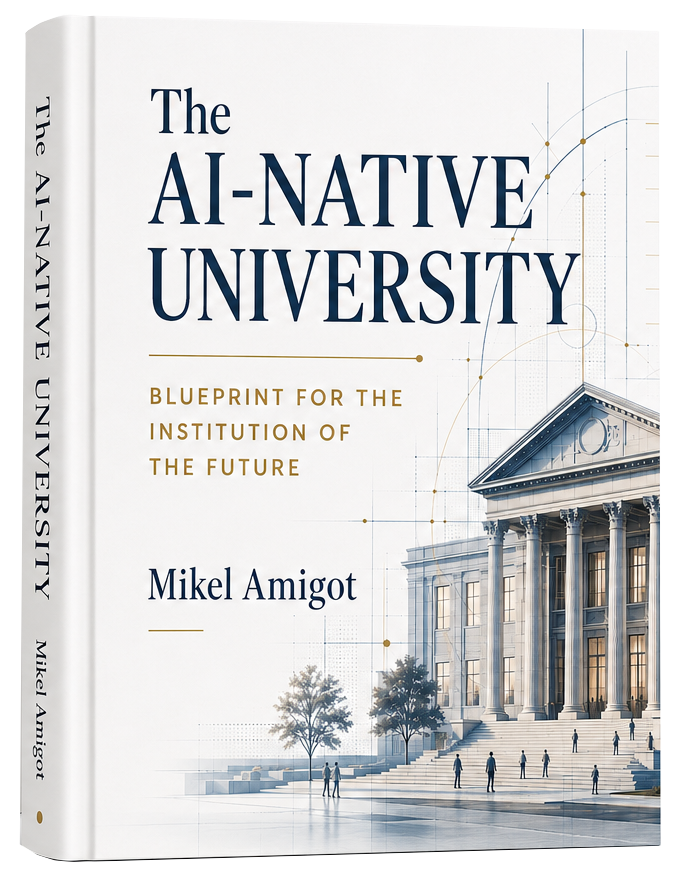
The Evolving Landscape of Higher Education in the AI Era
Higher education institutions are facing increasing pressure to adapt and evolve in response to the rapid advancement of AI. The existing educational models need to be re-evaluated to ensure that students are equipped with the necessary skills and knowledge to thrive in an AI-dominated economy.
The future of higher education hinges on its ability to integrate AI into its curriculum, teaching methodologies, and overall institutional structure. This transformation requires a proactive approach to preparing students for the challenges and opportunities presented by AI, fostering critical thinking, problem-solving skills, and adaptability in a rapidly changing technological landscape.