Technology
Sunday, August 30, 2026
AI's Impact on Pedagogy and Assessment
The rapid integration of artificial intelligence into daily life is profoundly reshaping educational practices, particularly concerning pedagogy and student assessment. A recent survey indicates that AI use among higher education students has reached an astounding 88%, while faculty adoption lags, signaling a significant shift in learning behaviors. This pervasive student engagement with AI necessitates a re-evaluation of traditional teaching methods and a strong emphasis on AI literacy.
Schools are now actively teaching students to critically evaluate AI tools, helping them understand the flaws and limitations of chatbots rather than merely preventing their use. Experts advocate for focusing on the 'evidence of learning' rather than policing student AI use, encouraging educators to design assessments that genuinely measure understanding and critical thinking. This progressive approach is evident in institutions moving away from grading essays towards assessing deeper thought processes, acknowledging that AI can assist in content generation but true learning lies in analytical and creative application.
This evolving landscape calls for a systemic adaptation across the education sector. The challenge lies in equipping educators with the skills to leverage AI effectively while fostering a generation that can critically engage with advanced technologies. The focus is shifting from restriction to empowerment, preparing students not just for current academic challenges but for a future where AI proficiency and critical discernment are paramount.
Strategic AI Policy and Institutional Vision
As artificial intelligence continues its rapid integration into society, governments and educational institutions are moving to establish comprehensive policies and strategic visions to manage its impact within the academic sphere. This includes both regulatory frameworks and forward-looking academic plans designed to navigate the challenges and opportunities presented by AI.
In a significant move, the DeSantis administration in Florida is actively pursuing regulations for AI across the entire educational spectrum, from pre-kindergarten through doctoral programs. This wide-ranging regulatory effort underscores a governmental commitment to shaping AI's role in education from the earliest stages of learning to advanced research, aiming to ensure responsible and ethical integration.
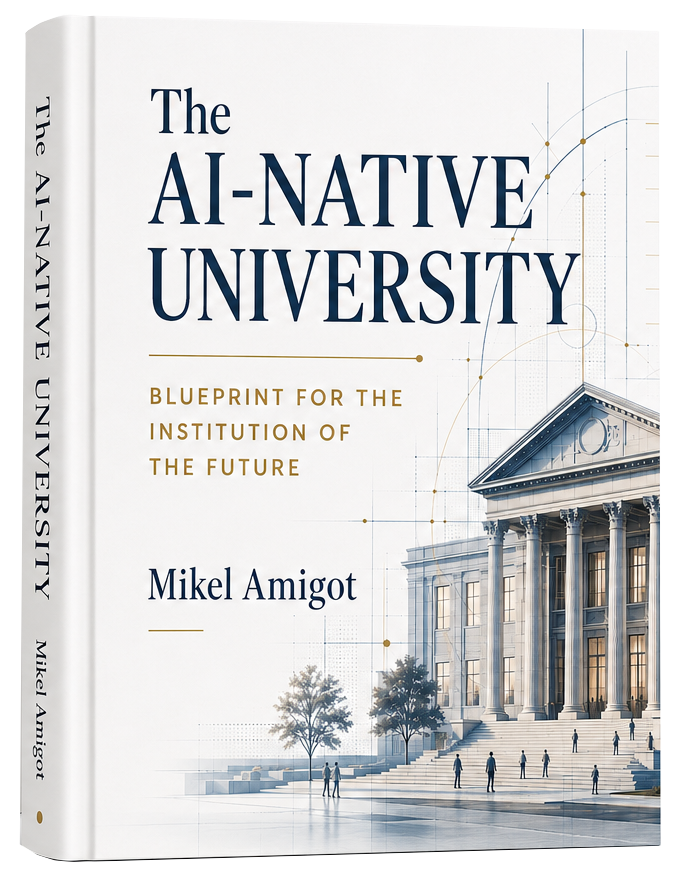
Concurrently, leading universities are developing their own strategic responses. Northeastern University, for instance, has declared 'human centrality' as the core focus of its new academic plan. This philosophical stance emphasizes prioritizing human values, creativity, and critical thinking in an AI-dominated world, signaling a proactive institutional effort to define education's purpose and direction in the age of advanced technology.
Teacher AI Access and Professional Development
A significant global initiative is underway to empower educators with access to artificial intelligence tools and the requisite professional development to effectively integrate these technologies into their classrooms. Recognizing the transformative potential of AI, educational bodies are partnering with technology giants to bridge the digital divide for teachers.
In a landmark collaboration, the Department of Education (DepEd) is teaming up with Microsoft to provide AI access to an impressive one million teachers. This massive undertaking aims to equip a substantial portion of the teaching workforce with essential AI capabilities, ensuring they are not left behind in the rapidly evolving technological landscape.
Such large-scale programs are critical for future-proofing the education sector. By providing teachers with the tools and training necessary to understand and utilize AI, these initiatives aim to enhance pedagogical practices, foster innovative learning environments, and ultimately prepare students for a world increasingly shaped by artificial intelligence. This commitment to teacher empowerment is vital for equitable and effective AI integration.
Edtech Procurement and Efficacy Evaluation
The rapid adoption of artificial intelligence tools by educational institutions is raising critical questions about procurement processes and the actual efficacy of these technologies. Schools are quickly investing in AI solutions, yet there's a growing concern that current contracts often fail to demonstrate clear evidence of how these tools genuinely benefit student learning outcomes.
In response to this challenge, the Education Department is revamping its edtech purchasing strategies through initiatives like 'The Early Scale.' This move aims to streamline and improve how educational technology is acquired, presumably with a greater emphasis on value, interoperability, and proven impact rather than just rapid deployment.
The current scenario highlights a significant gap between investment and accountability. While the allure of cutting-edge AI is strong, there's an urgent need for schools and districts to demand robust evidence of effectiveness from vendors. Future edtech procurement must prioritize data-driven decision-making, ensuring that substantial financial commitments translate into measurable improvements in teaching and learning.
Broader Societal Influence and Ethics of AI
Beyond its specific applications within educational settings, artificial intelligence exerts a profound and growing influence across society, driven by a complex interplay of academic innovation, financial power, and ethical considerations. The dynamics between intellectual leaders and wealthy patrons, often described as 'The Professor and the Plutocrat,' frequently dictate the direction and pace of AI development.
This convergence of cutting-edge research and significant investment capital shapes not only the technological capabilities of AI but also its underlying values and potential societal impacts. The decisions made by these influential figures have far-reaching consequences, affecting everything from economic structures and labor markets to privacy rights and the very nature of human interaction.
Consequently, the discourse around AI extends far beyond technical advancements to encompass critical ethical dilemmas, governance challenges, and the distribution of power. Ensuring that AI development serves the broader public good requires ongoing vigilance, transparency, and a robust societal engagement to guide its evolution responsibly and equitably.