U.S. & World
Wednesday, November 25, 2026
Global Cyber Warfare and National Security
The United States is grappling with escalating cybersecurity threats, both domestically and internationally. Reports indicate a US probe into a possible Iranian role in widespread cyberattacks targeting up to 50 tankers, signaling a significant escalation in geopolitical cyber warfare affecting critical maritime infrastructure. This investigation, reported by the Wall Street Journal, underscores the ongoing tensions and the potential for state-sponsored actors to disrupt global commerce and supply chains.
Further compounding national security concerns, the U.S. Central Intelligence Agency (CIA) and the Office of the Director of National Intelligence (ODNI) have reportedly suffered a cybersecurity breach. While the New York Times specified that only some unclassified information was compromised, any breach within top intelligence agencies raises serious questions about data protection protocols and the persistent threat landscape faced by governmental bodies.
These incidents highlight a critical period for national and international security, where cyber espionage and attacks are becoming increasingly sophisticated and pervasive. The dual challenges of identifying and countering foreign state-sponsored cyber operations, alongside fortifying domestic intelligence networks, remain paramount for US defense and intelligence agencies in safeguarding sensitive information and critical assets.
Volatility in Global Stock Markets and Tech Influence
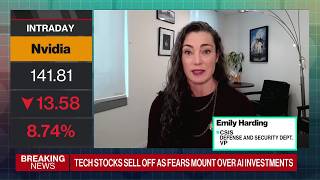
Global financial markets are experiencing a period of reassessment, particularly concerning the high-flying technology sector and the future of artificial intelligence investments. Following a robust Monday rally fueled by Nvidia, both the Nasdaq and S&P 500 indices saw a slip, indicating a cautious pullback among investors. This volatility reflects ongoing evaluations of market valuations and the sustainability of recent gains.
In Asia, a Reuters poll suggests Japan's Nikkei index is projected to rise next year but is expected to fall short of its all-time record. This forecast points to investors re-evaluating the 'AI trade,' suggesting a more tempered outlook on the immediate growth potential driven by artificial intelligence compared to earlier optimistic projections. The reassessment signals a broader market sentiment shift, moving towards more fundamental analysis rather than pure speculative enthusiasm.
Adding a corporate dimension to the tech sector's narrative, Nvidia CEO Jensen Huang reportedly apologized to employees and disclosed he is undergoing therapy. While the exact context of the apology is not fully detailed in the headline, such a personal revelation from the head of a company central to the AI boom underscores the intense pressures and scrutiny faced by leaders in the rapidly evolving technology landscape, potentially influencing investor perception of corporate stability and leadership.
Security Operations and Public Safety
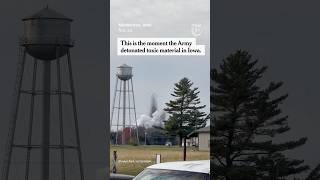
Public safety and security operations have been at the forefront of recent news, encompassing both domestic military actions and international criminal incidents. In the United States, the Army announced a controlled detonation of degraded explosive material at the Iowa Army Ammunition Plant. This preventative measure underscores the critical importance of safely managing hazardous military materials and the ongoing efforts by defense agencies to mitigate risks posed by unstable ordnance within domestic facilities, ensuring public and operational safety.
Meanwhile, a grave international incident unfolded in Colombia, where gunmen seized dozens of hostages in a supermarket siege. This alarming event highlights the persistent threat of organized crime and violence in certain regions, posing significant challenges for local law enforcement and emergency services. Such a situation demands swift and coordinated responses to protect civilian lives and restore order, often drawing international attention to regional security dynamics.
These distinct incidents, though varied in nature and location, collectively emphasize the continuous challenges faced by authorities worldwide in maintaining security. From methodical military safety procedures to urgent responses to criminal hostage situations, the commitment to public protection and the management of potentially dangerous circumstances remain a constant global priority.
China's Political Landscape and International Trade Policies
China's political landscape is currently marked by internal scrutiny and pledges of loyalty, while its international trade practices continue to draw attention from major global economies. In Shanghai, the local party organization has publicly affirmed its loyalty to Beijing, a move that comes as a top official faces investigation. This development highlights ongoing efforts by the central government to consolidate power and address corruption within its ranks, sending a clear message across regional administrations about adherence to party discipline and central authority.
Concurrently, the Trump administration in the United States is reportedly preparing to unveil new tariffs, following a probe into what it identifies as excess factory capacity, particularly in China. This move signals a continuation of aggressive trade policies aimed at countering perceived unfair trade practices and protecting domestic industries. The imposition of tariffs on goods linked to overcapacity could further strain already tense economic relations between the world's two largest economies.
These twin developments underscore the complex interplay between China's internal political stability and its external economic relationships. While Beijing seeks to ensure loyalty and control within its party structure, Washington is poised to challenge Chinese industrial policies through trade measures. Both actions have significant implications for global governance, economic stability, and the future trajectory of US-China relations.
Evolution of Media Content Distribution
The landscape of media content distribution continues to evolve, with traditional broadcasters forging new alliances in the burgeoning streaming sector. In a significant development for children's programming, the BBC's popular preschool shows are set to become available through a dedicated CBeebies hub on Netflix. This strategic partnership represents a notable shift in how public service broadcasters leverage global streaming platforms to extend their reach and engage new audiences.
The collaboration allows Netflix subscribers access to a rich catalog of educational and entertaining content from CBeebies, a brand renowned for its high-quality children's programming. For the BBC, this move enhances the accessibility of its beloved shows on a dominant international streaming service, potentially introducing its content to a wider global viewership beyond its traditional broadcast territories.
This agreement underscores the ongoing trend of content licensing and platform integration within the entertainment industry. As streaming services compete for subscriber attention, securing popular and reputable content, especially in specialized niches like children's programming, becomes a key differentiator. Such partnerships ultimately benefit consumers by offering greater choice and convenience in how they access their preferred media.