Universities
Saturday, October 24, 2026
AI Education & Curriculum Development in Higher Ed
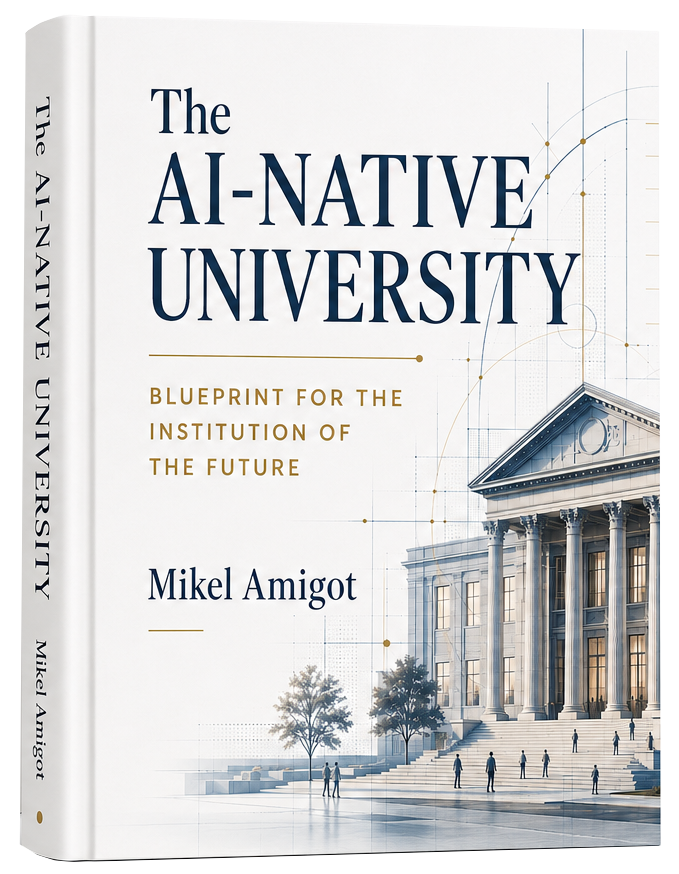
Universities nationwide are rapidly responding to the growing demand for artificial intelligence expertise by developing comprehensive educational programs and training initiatives. The race is on in higher education to establish AI as a dedicated undergraduate major, signaling a significant shift in curriculum design to prepare students for an AI-driven future.
Institutions are not only focusing on student-facing programs but also on upskilling their own faculty and staff. For instance, Talladega College has launched an AI Educator Program in partnership with Amazon Web Services, aiming to equip educators with the necessary tools and knowledge to teach AI concepts effectively. Similarly, Ohio State University has hosted forums to bring together faculty and staff, fostering a collaborative environment to share best practices for integrating AI across various disciplines.
These efforts underscore a concerted push within academia to embed AI literacy and advanced skills into the core of higher education. By creating new majors, specialized programs, and professional development opportunities, universities are striving to ensure that both their graduates and their educators are well-prepared to navigate and innovate within the evolving landscape of artificial intelligence.
Ethical Frameworks & Human-Centric AI
As artificial intelligence continues its rapid advancement, universities are increasingly grappling with the profound ethical implications and the necessity of maintaining a human-centric approach to its development and deployment. Institutions like MIT are actively reinforcing the enduring value of human understanding, emphasizing that technology, no matter how advanced, must ultimately serve human needs and values.
This sentiment is echoed by insights from Harvard Gazette, which highlights that 'the bulk of the benefit and the threat is actually humans.' This perspective underscores the critical role of human agency and responsibility in shaping AI's trajectory, acknowledging that both its greatest potential and its most significant risks stem from human decisions and interactions.
Consequently, universities are engaged in a crucial exploration of how to effectively balance the rapid pace of AI development with the imperative for responsible use. This involves establishing robust ethical frameworks, fostering interdisciplinary dialogue, and ensuring that AI innovations are aligned with societal well-being and human flourishing, preventing unintended consequences while maximizing beneficial applications.
AI's Impact on Student Learning & Privacy
The integration of artificial intelligence into educational settings is prompting significant discussions regarding its impact on student learning and privacy. While AI offers innovative tools to enhance instruction and personalization, it also introduces pedagogical challenges and raises critical data security questions.
One key concern is how AI might alter the fundamental learning process. A mathematician at the University of Florida, for instance, aims to preserve the 'productive struggle' of learning amidst AI's transformative influence. This highlights a desire to ensure that AI tools augment rather than diminish the critical thinking and problem-solving skills developed through effortful engagement.
Concurrently, the deployment of AI assistants in educational institutions has sparked privacy concerns among students. The University of Southern Maine's new AI assistant, for example, has raised questions about how student data is collected, used, and protected. These incidents underscore the necessity for transparent policies and robust safeguards to ensure student privacy and maintain trust as AI becomes more prevalent in academic environments.
National AI Workforce Training & Policy
The imperative to prepare the national workforce for an AI-driven economy has garnered significant bipartisan support, indicating a broad consensus on the need for government intervention in AI training initiatives. A recent survey conducted by Northeastern University revealed that both Democrats and Republicans endorse government-backed programs designed to equip workers with essential AI tools and skills.
This unified stance reflects a recognition across the political spectrum that artificial intelligence will fundamentally transform industries and job markets. Proactive measures are deemed necessary to ensure that the American workforce remains competitive and adaptable in the face of these technological shifts.
Such support paves the way for potential federal and state-level policies aimed at funding and developing comprehensive training programs. These initiatives would be crucial for upskilling current employees and preparing future generations for the demands of an increasingly AI-integrated professional landscape, mitigating potential job displacement while fostering economic growth and innovation.
Advanced AI Research & Specialized Applications
Artificial intelligence is driving groundbreaking research and development in highly specialized fields, demonstrating its transformative potential beyond general applications. A prime example comes from the University of Virginia (UVA), where researchers are at the forefront of developing an advanced AI tool designed to personalize cardiac therapies.
This innovative project has received substantial backing, securing a significant $4 million grant from the National Institutes of Health (NIH). The funding underscores the recognized importance and potential impact of AI in advancing medical treatments and improving patient outcomes, particularly in complex areas like cardiology.
The development of such a specialized AI tool highlights the ongoing push to leverage artificial intelligence for precision medicine, enabling tailored interventions that could dramatically enhance the effectiveness of treatments. This research exemplifies how targeted AI applications, supported by considerable investment, are poised to revolutionize specific scientific and healthcare domains.