U.S. & World
Friday, November 20, 2026
Global Conflicts & Diplomatic Engagements
The global geopolitical landscape is currently marked by significant diplomatic maneuvers and ongoing conflicts. A historic trilateral summit in Shenzhen saw leaders Xi, Trump, and Putin convene, signaling a potential shift in international relations and major power dynamics. The details of their discussions remain under wraps, but the meeting itself underscores the complex web of alliances and rivalries shaping the 21st century.
Meanwhile, the Russia-Ukraine war continues to be a focal point of international concern. Ukrainian President Zelensky has directly appealed to world superpowers, outlining specific actions they can take to bring an end to the protracted conflict. His plea underscores the urgent need for a concerted international effort to restore peace and stability in the region.
Adding to the volatile global situation, Houthi attacks on Riyadh have raised significant concerns about regional stability and global energy supply. These incidents have directly impacted oil prices, which have edged higher amidst fears of supply disruptions. The ripple effects of such geopolitical tensions are keenly felt in commodity markets, highlighting the interconnectedness of conflict and global economic health.
Human Rights & Migration Crises
A top UN court has delivered a landmark ruling, finding Myanmar guilty of genocide against the Rohingya population. This decision marks a critical moment for international justice, affirming the systematic persecution faced by the Rohingya and placing pressure on the global community to ensure accountability and protection for vulnerable groups.
Concurrently, the world grapples with ongoing migration crises, exemplified by a tragic incident off the coast of Senegal. Four bodies were recovered after a boat capsized, adding to the grim toll of human lives lost amidst a surge in migration attempts. This incident underscores the perilous journeys undertaken by migrants seeking better lives and highlights the urgent need for comprehensive solutions to address the root causes of migration and ensure safer pathways.
Both events serve as stark reminders of the profound human cost of conflict, persecution, and systemic inequalities, demanding sustained international attention and humanitarian responses.
Climate Policy & Energy Transition Challenges
International efforts to combat climate change have hit a significant roadblock at the COP31 talks, which are currently deadlocked. The primary point of contention revolves around the omission of fossil fuels from the draft deal, a move that has drawn sharp criticism from many nations and environmental groups.
The impasse highlights the deep divisions among countries regarding the pace and scope of transitioning away from carbon-intensive energy sources. While some nations advocate for a clear commitment to phasing out fossil fuels, others emphasize the need for continued reliance on these resources for economic development and energy security.
This deadlock at COP31 underscores the immense challenge of forging a unified global strategy on climate action, especially when it confronts entrenched economic interests and differing national priorities on energy policy. The outcome of these talks will have profound implications for the future of global climate initiatives.
Economic & Corporate Developments
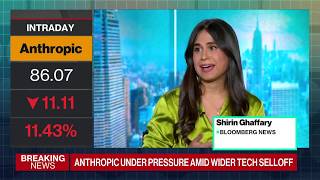
The financial markets have witnessed a groundbreaking development with Anthropic, a prominent artificial intelligence company, reaching an astounding $2 trillion valuation in a record-breaking Initial Public Offering (IPO). This monumental achievement underscores the surging investor confidence in the AI sector and marks a significant milestone in the tech industry.
Anthropic's IPO reflects the broader trend of rapid growth and substantial investment flowing into companies at the forefront of technological innovation. The valuation signals a strong belief in the company's future potential and its capacity to disrupt various industries with its advanced AI solutions.
This record-setting event is likely to set a new benchmark for tech IPOs and could catalyze further investment and innovation within the artificial intelligence landscape, reshaping market expectations and competitive dynamics in the global economy.
Domestic Policy, Legal Battles & Media Challenges
Domestic landscapes are grappling with a mix of political dissent, high-stakes legal battles, and institutional challenges. In Colombia, thousands have taken to the streets to protest the government's proposed tax plans. These demonstrations are unfolding amidst a contentious debate over the role of US military presence in the country, adding a layer of complexity to the internal political discourse and highlighting public dissatisfaction with economic policies and foreign influence.
In the United States, a significant legal development has unfolded as a US judge allowed a colossal $15 billion defamation lawsuit filed by Donald Trump against The New York Times to proceed. This decision sets the stage for a high-profile legal battle that could have far-reaching implications for media freedom, journalistic accountability, and the intersection of politics and the press in America.
Meanwhile, the British Broadcasting Corporation (BBC) is facing deeper content cuts, as the National Audit Office (NAO) has issued a warning regarding its ambitious £500 million savings plan. This financial pressure underscores the ongoing challenges faced by public service broadcasters globally, as they navigate evolving media consumption habits, budgetary constraints, and the imperative to maintain quality programming amidst austerity measures.