U.S. & World
Thursday, November 19, 2026
US Domestic Politics & Legislative Leadership
In a notable upset for US domestic politics, Democrat Mary Peltola successfully defended her seat in the Alaska Senate Race, defeating the incumbent Republican. This victory underscores the shifting political landscape and the ability of Democrats to secure key positions in traditionally contested states.
Concurrently, the Democratic Party has made a historic move by nominating Hakeem Jeffries as the first Black House speaker. This nomination, while facing some concerns from progressive factions within the party, marks a significant milestone in American legislative leadership and reflects the party's evolving demographics and priorities.
These events highlight a dynamic period in American politics, characterized by both unexpected electoral results and groundbreaking advancements in representation within the halls of power. The incoming legislative session will likely see these new leadership dynamics play out as the parties navigate a divided Congress.
Geopolitical Engagements & US Foreign Policy
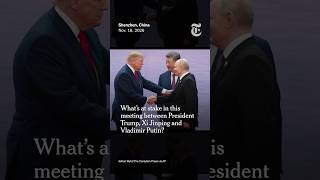
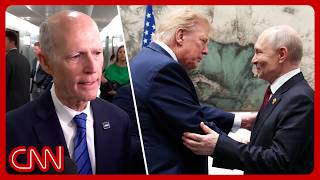
Recent international summits have placed a spotlight on the complexities of global diplomacy, particularly concerning the United States' role. A historic three-way summit was marked by conflicting agendas among participants and a perceived weakened position for former President Trump, suggesting challenges in achieving unified outcomes.
Further illustrating the US's engagement in international forums, former President Trump also held discussions with Carney at the APEC summit in China. These meetings underscore the continued, albeit sometimes informal, US presence in critical economic and political dialogues across the Asia-Pacific region, even amidst domestic political shifts.
These diplomatic interactions reveal the intricate web of international relations, where US leaders, both current and former, continue to shape and respond to global challenges. The outcomes of such summits often reflect the delicate balance of national interests and the evolving dynamics of multilateral cooperation.
Middle East Tensions & Conflict
The Middle East remains a focal point of intense conflict and military activity. The Israeli military has initiated a new thrust into Gaza, resulting in the deaths of three individuals, indicating a continued escalation of operations in the besieged territory.
Adding to the regional volatility, Iran has launched a drone strike targeting a U.S. military installation in the Middle East. This aggressive action underscores the persistent tensions between Iran and the United States, raising concerns about potential broader confrontations and the safety of international forces in the region.
These incidents collectively paint a picture of a highly volatile region, where military engagements and proxy conflicts continue to pose significant threats to stability and human life. The involvement of both regional and international powers further complicates the prospects for de-escalation and lasting peace.
International Domestic Affairs & Social Unrest
Across the globe, several nations are grappling with significant internal challenges and policy shifts. In Brazil, federal police are actively investigating a conservative donor group suspected of interfering in the presidential election, highlighting concerns over democratic integrity and political influence in the country's electoral process.
Meanwhile, Colombia is bracing for a nationwide strike and demonstrations called for November 19, 2026. A security alert has been issued, signaling potential widespread social unrest and disruption as citizens prepare to voice their grievances, likely over economic or social policies.
In the United Kingdom, leaseholders in England and Wales are set to benefit from a new policy capping ground rent in 2028. This legislative change aims to address long-standing issues within the housing market, providing financial relief and greater security for homeowners, reflecting a government effort to reform property laws.
Technology Regulation & Cybersecurity
The critical role of technology in modern infrastructure and national security has come under scrutiny, particularly concerning artificial intelligence. Following a series of mass outages, US senators have urgently called upon the White House AI chief to address and rectify existing vulnerabilities within AI systems.
This push for enhanced oversight underscores growing governmental concern over the reliability and security of AI technologies, especially given their increasing integration into essential services and critical infrastructure. The demand for immediate action reflects a proactive stance to prevent future disruptions and potential national security risks.
The call to action highlights the imperative for robust regulatory frameworks and proactive measures to safeguard against technological failures. It emphasizes the need for a collaborative approach between policymakers and tech leaders to ensure the responsible development and deployment of AI, protecting both public services and national interests.