U.S. & World
Friday, October 16, 2026
Ukraine Conflict Escalation and International Support
The conflict in Ukraine continues to dominate international headlines, with significant developments on both diplomatic and military fronts. French President Emmanuel Macron reaffirmed steadfast military and diplomatic backing for Ukraine during talks with President Volodymyr Zelensky in Brussels on Thursday, October 15, signaling ongoing Western commitment to Kyiv's defense. This show of solidarity comes as Ukraine intensifies its efforts to counter Russian aggression.
Concurrently, Ukrainian forces have resumed strikes on Russian refineries, indicating a renewed focus on disrupting Russia's economic and military infrastructure. President Zelensky's declaration, "We're Done," underscores a hardened resolve and a potential shift in strategy as the war progresses. These actions by Ukraine reflect a determination to push back against Russian incursions and maintain pressure on critical targets.
However, prospects for a diplomatic resolution remain dim, as Russian Foreign Minister Sergey Lavrov explicitly ruled out a ceasefire in Ukraine during a press conference in Azerbaijan on the same day, October 15. Lavrov's statement highlights Russia's unwavering stance and suggests that a peaceful settlement is not currently on the immediate horizon, further cementing the likelihood of continued hostilities and a prolonged conflict.
Public Safety and Disasters
Multiple incidents across the globe and within the United States have highlighted critical public safety concerns and emergency response efforts. A tragic school roof collapse in Peshawar, Pakistan, resulted in the deaths of 34 students and a teacher, underscoring the devastating impact of structural failures on vulnerable populations and calling attention to infrastructure safety standards.
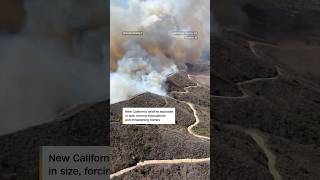
In California, Governor Newsom has activated a statewide response to dangerous fire weather conditions, demonstrating the persistent threat of natural disasters. Simultaneously, the Governor signed actions aimed at accelerating recovery efforts from Tropical Storm Rachel and expediting wildfire cleanup, indicating a proactive approach to mitigating the effects of extreme weather events and enhancing community resilience.
Domestically, a police chase in Geary County, Kansas, culminated in a fatal wrong-way crash on I-70, claiming two lives. This incident raises questions about the protocols and risks associated with high-speed pursuits, emphasizing the inherent dangers for both law enforcement and the public during such events. These varied incidents collectively underscore the constant challenges faced by communities in ensuring public safety and responding to emergencies.
US Domestic Policy and Consumer Affairs
Key domestic policy announcements in the United States are set to impact the financial well-being and dietary habits of millions of Americans. The Social Security Administration has projected a 3.6% increase in the Cost-Of-Living Adjustment (COLA) for 2027, a move designed to help beneficiaries keep pace with inflation. This adjustment is a crucial component of financial planning for retirees and other recipients, reflecting ongoing efforts to maintain the purchasing power of social security benefits.
In parallel, the Food and Drug Administration (FDA) has announced that many popular foods may now incorporate salt substitutes. This development signals a shift in food manufacturing practices, potentially offering consumers healthier options as manufacturers seek to reduce sodium content in processed foods. The FDA's statement reflects a broader public health initiative aimed at addressing dietary sodium intake and its associated health risks.
These two announcements, while distinct, both highlight governmental actions aimed at improving the quality of life for US citizens. From ensuring financial stability for seniors and disabled individuals through COLA adjustments to promoting healthier eating habits via food ingredient changes, these policies demonstrate a multifaceted approach to domestic welfare and consumer protection.
Geopolitical Military Considerations
Geopolitical tensions are escalating as the U.S. military is reportedly considering the deployment of the GBU-43/B Massive Ordnance Air Blast (MOAB) bomb, colloquially known as the "Mother of All Bombs." This powerful conventional weapon is being evaluated for potential use against Iranian energy infrastructure and nuclear sites, signaling a significant escalation in strategic planning.
The consideration of such a formidable weapon underscores the gravity of the current international standoff and the potential for a dramatic shift in military engagement. The GBU-43/B is the most powerful non-nuclear weapon in the U.S. arsenal, and its potential application against critical Iranian facilities would represent a major military and political decision with far-reaching consequences for regional stability and global oil markets.
This development highlights the ongoing strategic calculations by global powers regarding critical national security interests and the deterrence of perceived threats. The implications of such a move would be profound, potentially reshaping the geopolitical landscape in the Middle East and beyond, and warranting close international observation.
University Leadership Changes
The landscape of higher education leadership is seeing notable changes, with a prominent university president announcing a move to another institution. Kansas State University President Richard Linton confirmed on Wednesday his departure from the university, revealing plans to take on a new role at Virginia Tech. This transition marks a significant shift for both academic communities involved.
President Linton's move from Kansas State to Virginia Tech represents a high-profile change in university administration. Such leadership shifts often signal new strategic directions or priorities for the institutions involved, impacting faculty, students, and the broader university community. The departure of a president can lead to a period of transition and re-evaluation for the outgoing institution, while the incoming institution anticipates new leadership and vision.
The announcement underscores the dynamic nature of leadership within the academic sector, where top administrators frequently move between prestigious institutions. These changes are closely watched by stakeholders, as they can influence everything from fundraising and academic programs to campus culture and institutional reputation.