Universities
Saturday, November 14, 2026
Institutional AI Readiness & Comprehensive Strategies
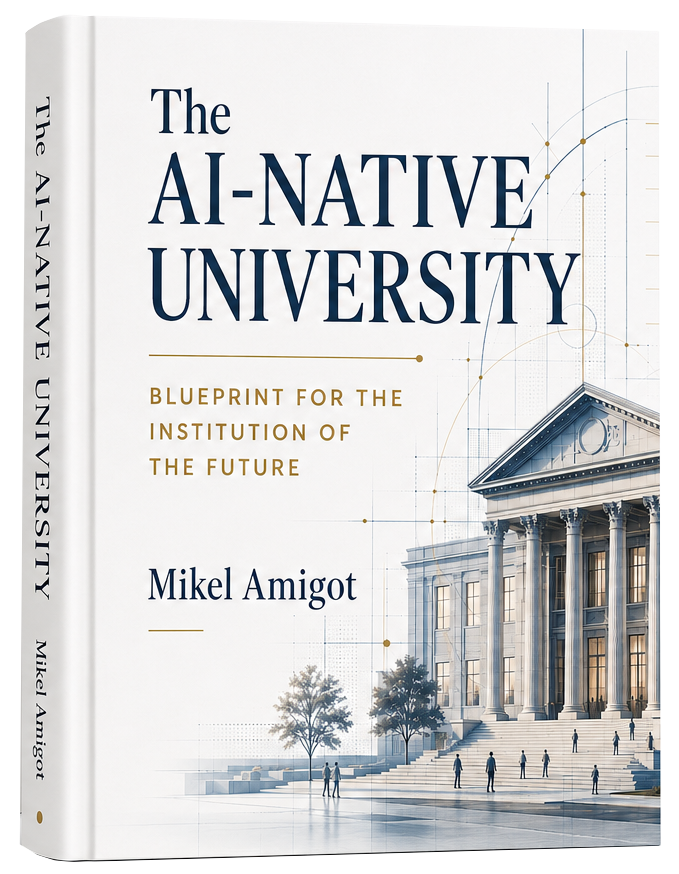
Universities nationwide are proactively developing comprehensive strategies to integrate artificial intelligence across their institutions. This widespread effort aims to ensure that higher education is well-prepared for the transformative impact of AI, not just in research and teaching but also in administrative and operational functions.
A critical component of this institutional readiness involves building a strong foundational data infrastructure. For instance, the University of Idaho is specifically focusing on establishing such a foundation to become an 'AI-ready university.' This includes ensuring that the necessary data systems and computational resources are in place to support advanced AI initiatives and research.
These comprehensive strategies encompass everything from curriculum development and faculty training to ethical guidelines for AI use and investment in cutting-edge technology. The goal is to create an environment where AI can be leveraged effectively and responsibly, positioning universities at the forefront of AI innovation and education.
AI's Impact on Pedagogy & Student Learning
The role of artificial intelligence in education is a topic of intense discussion, with new research shedding light on its potential benefits and limitations. A recent review from Stanford's SCALE Initiative suggests that while AI tools might significantly assist teachers, their direct benefit to students is less clear. This finding underscores the need for careful consideration of how AI is implemented in classrooms and learning environments.
Despite these caveats, universities are actively exploring how to leverage AI to propel specific academic fields and cultivate a new generation of AI-savvy professionals. Penn State, for example, is examining how AI can advance engineering education, aiming to equip future engineers with essential AI competencies. This effort aligns with broader discussions at conferences like 'AI and the Future of Education,' where leaders are strategizing on how to build 'AI champions' on campuses, fostering expertise among both students and faculty.
These initiatives highlight a dual focus: understanding the practical implications of AI in day-to-day teaching and learning, and strategically integrating AI into curricula to prepare students for an AI-driven future. The goal is to develop educational frameworks that harness AI's potential while addressing its challenges, ensuring a holistic and effective approach to AI integration in pedagogy.
Establishment of AI Research Hubs & Specialized Programs
In a concerted effort to become leaders in the rapidly evolving field of artificial intelligence, states and academic institutions are actively establishing new research hubs and specialized programs. New York State, for instance, has launched a statewide AI Research Institute, strategically headquartered at Binghamton University. This initiative aims to consolidate and expand AI research capabilities across the state, fostering collaboration and innovation.
Similarly, institutions like El Paso Community College are making significant strides in advancing their visibility in AI research and education. These efforts are crucial for expanding access to AI knowledge and expertise, ensuring a broader demographic participates in the AI revolution. By enhancing their offerings, community colleges play a vital role in building a diverse and skilled AI workforce.
The establishment of these dedicated institutes and programs signifies a strategic investment in the future of AI. They serve as focal points for cutting-edge research, talent development, and community engagement, positioning their respective regions and institutions as key players in shaping the next generation of AI technologies and applications.
Cutting-Edge AI Applications & Scientific Discovery
Artificial intelligence is proving to be a powerful accelerator for scientific discovery, pushing the boundaries of what's possible in complex research fields. A groundbreaking development in laser physics, involving researchers from Stanford, UCLA, and SLAC, demonstrates AI's capacity to supercharge experiments, achieving a stunning 250x speed boost. This advancement could dramatically reduce the time and resources required for intricate physics research, opening new avenues for scientific exploration.
Beyond accelerating experiments, AI is also driving innovation in computing itself. Researchers from USC ISI recently showcased their innovations in AI-assisted computing at the SC26 Conference. These advancements represent a significant leap in how computational tasks are performed, with AI enabling more efficient, powerful, and intelligent systems.
These examples underscore AI's transformative potential as a research tool. From speeding up fundamental scientific inquiries to enhancing the very infrastructure of computing, AI is not just a subject of study but a critical instrument for achieving unprecedented breakthroughs across various scientific disciplines. The collaborative efforts of leading institutions are central to harnessing this potential for future innovations.
AI Policy, Workforce Development, & New Academic Majors
The growing prominence of artificial intelligence has propelled discussions around federal policy and its role in shaping the nation's AI future. Congressman Gottheimer recently engaged in these critical conversations at the University of Pennsylvania, highlighting the imperative for thoughtful federal AI policy to guide development and deployment.
A key aspect of these policy discussions revolves around cultivating an AI-ready workforce capable of meeting the demands of an evolving technological landscape. Universities are responding by developing new academic pathways, such as undergraduate AI majors, to equip students with specialized knowledge and skills. These programs are vital for creating a talent pipeline that can contribute to both AI innovation and responsible AI governance.
The synergy between federal policy initiatives and academic program development is crucial for ensuring that the United States remains competitive in the global AI arena. By fostering an environment that supports both regulatory frameworks and educational opportunities, the nation aims to build a robust AI ecosystem and a skilled workforce ready for the challenges and opportunities ahead.