U.S. & World
Sunday, March 15, 2026
Escalating Conflict with Iran
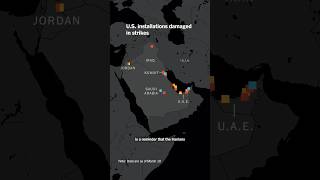
Tensions between the U.S. and Iran have escalated sharply, marked by military strikes and escalating rhetoric. President Trump announced that the U.S. 'obliterated' military targets on Iran's Kharg Island, while U.S. Central Command clarified that the strikes targeted military sites, not oil facilities. The U.S. embassy in Baghdad has also been hit, adding to the instability.
Iran's new leader has resolved to continue fighting, further disrupting energy supplies already strained by the ongoing conflict. The Trump administration is offering a reward of up to $10 million for information on Iran's supreme leader and senior officials, indicating a further hardening of the U.S. stance. Additionally, President Trump stated that 'many countries' will send warships to the Hormuz Strait amid an Iranian blockade.
Media and Information Control
The Trump administration is facing criticism for its attempts to control the narrative surrounding the conflict with Iran. The administration has threatened news outlets over what it deems critical coverage of the situation.
In a related move, the FCC chair has threatened broadcasters regarding their Iran war coverage, raising concerns about freedom of the press and the potential for censorship during a time of heightened national security concerns.
Impact on International Events
The escalating conflict with Iran has had significant repercussions on international events. Specifically, the Bahrain and Saudi Arabia Formula 1 races have been officially canceled due to the instability and security concerns stemming from the war.
This cancellation highlights the widespread impact of the conflict, extending beyond military engagements to affect sporting and cultural events in the region.
Casualties and Military Operations
Six U.S. service members were killed in a refueling aircraft crash in Iraq, according to the U.S. military. This incident underscores the risks associated with military operations in the region.
While the cause of the crash is being investigated, it highlights the human cost of the ongoing military presence and operations in Iraq and the broader Middle East.
Energy Supply Disruption
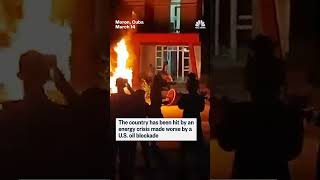
The ongoing conflict with Iran is disrupting energy supplies, as Iran's new leader resolves to keep fighting. This disruption is likely to lead to higher prices and potential shortages in the global energy market.
The situation is further complicated by the blockade of the Hormuz Strait, a critical waterway for oil tankers, exacerbating the energy crisis.