U.S. & World
Tuesday, November 10, 2026
Corporate Finance and Market Dynamics
The corporate finance world saw significant movement this week, with AI startup Anthropic retracting details of its anticipated Initial Public Offering (IPO) after the sensitive information was inadvertently shared with bankers. This incident highlights the meticulous and often delicate nature of corporate financial maneuvers, where premature disclosures can have substantial implications for market perception and regulatory compliance.
In broader market trends, global stock indices experienced an upward surge, a positive development largely attributed to a notable decline in oil prices. The tumbling crude oil futures provided a welcome boost to investor confidence, easing concerns over inflation and energy costs that have weighed on economies worldwide.
However, not all companies shared in the market's positive momentum. Tech giant Nvidia, despite its strong market position, saw its stock price decline. This dip was directly linked to an ongoing internal probe, the details of which have stirred investor uncertainty and speculation, demonstrating how corporate governance issues can quickly translate into market value fluctuations.
Technology Sector and Cybersecurity Threats
The intersection of technology, national security, and corporate integrity has come under intense scrutiny following revelations that US tech giant Nvidia has launched an internal investigation into its CEO's alleged affair with an individual suspected of being a Chinese spy. This high-stakes probe underscores the critical vulnerabilities within leading technology firms to potential espionage and intellectual property theft, particularly from state-sponsored actors, raising serious questions about data security and corporate leadership.
Concurrently, the financial sector is on high alert regarding digital security. Indonesia's Financial Services Authority (OJK) has issued a stern warning to banks, urging them to significantly bolster their defenses against the escalating threat of cyberattacks. The directive emphasizes the necessity for robust cybersecurity infrastructure and proactive measures to safeguard customer data and financial assets.
Beyond fortifying their systems, OJK also stressed the importance for banks to actively reassure their customers about the security of their accounts and personal information. This dual approach aims to mitigate both the technical risks of cyber warfare and the erosion of public trust, which can have profound impacts on financial stability and consumer confidence in an increasingly digital banking landscape.
Environmental Challenges and Climate Action
The global community has once again convened to address the escalating climate crisis, with the United Nations Climate Summit officially commencing in Turkiye. Delegates from around the world gathered amid growing international alarm over the increasing frequency and intensity of extreme weather events, which continue to devastate communities and economies across the globe. The summit aims to foster renewed commitments and actionable strategies to curb greenhouse gas emissions and build resilience against climate impacts.
Meanwhile, in a stark reminder of localized environmental challenges, Delhi has recorded its most polluted Diwali festival in five years. Despite efforts to promote "green crackers" and implement stricter regulations, the Indian capital's air quality plummeted to hazardous levels, underscoring the persistent struggle against urban air pollution. The lack of significant respite from the green cracker initiative highlights the deep-seated issues contributing to the city's annual pollution crisis, including vehicular emissions, industrial discharge, and agricultural burning.
These two developments, though geographically disparate, collectively underscore the multifaceted nature of environmental threats facing humanity. From the urgent global imperative to mitigate climate change and its far-reaching consequences, to the immediate public health crisis posed by severe air pollution in major urban centers, the need for comprehensive and sustained environmental action remains paramount.
Political Developments and Diplomacy
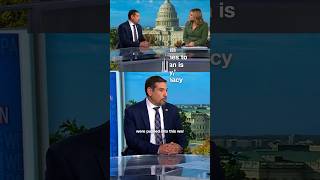
Political landscapes both domestically and internationally saw notable developments, signaling shifts in priorities and diplomatic engagements. In the United States, Democratic Senator-elect Adam Hamilton publicly voiced his disappointment regarding the prospect of his party focusing heavily on investigations into former President Trump. His comments, made during a national news program, suggest a desire within certain Democratic factions to prioritize legislative action and forward-looking policies over protracted political inquiries, potentially shaping the party's agenda in the upcoming legislative session.
On the international stage, Brazil's President Luiz Inácio Lula da Silva embarked on a historic visit to the Philippines, where he is slated to meet with President Marcos. This high-profile bilateral meeting aims to strengthen ties between the two nations, potentially opening new avenues for economic cooperation and diplomatic collaboration between South America and Southeast Asia. The visit marks a significant moment in Brazil's re-engagement with global partners under Lula's leadership.
Adding to the diplomatic momentum, President Lula is also scheduled to attend the ASEAN Summit during his time in the Philippines. His participation at this crucial regional gathering underscores Brazil's expanding geopolitical interests and its commitment to fostering multilateral relationships beyond its traditional spheres of influence. These political developments collectively highlight a period of evolving domestic strategies and burgeoning international alliances.
Public Safety and Transportation Incidents
Public safety and transportation systems have been thrust into the spotlight following critical incidents and emerging concerns across different regions. In a tragic accident, seven people were killed and over 100 sustained injuries when two trains collided in Egypt. The devastating crash prompted immediate rescue operations and an investigation into the cause, highlighting the urgent need for stringent safety protocols and infrastructure maintenance in public rail networks to prevent such catastrophic events.
Separately, residents in Punggol, a district in Singapore, have voiced growing concerns regarding the safety of autonomous vehicles (AVs) operating in their vicinity. These apprehensions stem from two recent near-miss incidents involving AVs, which have raised questions about the readiness and reliability of self-driving technology in real-world urban environments. Despite their worries, the community has indicated a cautious openness to the continuation of AV trials, recognizing the potential long-term benefits of such innovations.
These events underscore a dual challenge in ensuring public safety within transportation: addressing the immediate and often fatal consequences of traditional infrastructure failures, while also carefully navigating the introduction of cutting-edge technologies. Both scenarios demand rigorous oversight, continuous improvement, and a balanced approach to innovation that prioritizes human well-being above all else.