Technology
Friday, August 7, 2026
AI-Powered Learning Tools and Personalization
Artificial intelligence is rapidly transforming the landscape of education, offering innovative tools for personalized learning and streamlined academic processes. From enhancing individual student experiences to simplifying critical administrative tasks, AI is proving to be a versatile asset in the educational sector.
A notable trend is the rise of AI-powered personalization, which is being hailed as the next major evolution in further education. These systems adapt to individual learning styles and paces, providing tailored content and feedback to optimize student outcomes. Complementing this, significant investment is flowing into dedicated AI tutoring platforms, with one startup recently securing $6 million to develop an AI tutor designed to foster self-directed learning in children.
Beyond direct learning, AI is also gaining traction as a crucial tool for parents navigating the complex college-search process. By leveraging AI, families can access more targeted information and recommendations, making informed decisions about higher education pathways. These developments collectively underscore AI's growing role in making education more accessible, efficient, and personalized for diverse learners.
Institutional Adoption and Strategic Integration of AI in Training
Institutions across various sectors are actively strategizing and implementing artificial intelligence to enhance training methodologies and maintain a competitive edge. This proactive approach signifies a broader recognition of AI's transformative potential beyond just theoretical applications, moving towards practical, integrated solutions.
A prime example of this institutional adoption is the U.S. Marine Corps, which is engaging in AI 'hackathons' to prototype innovative tools specifically designed for training and education. This initiative highlights a military branch's commitment to leveraging cutting-edge technology to prepare its personnel, demonstrating how AI can be directly applied to complex, high-stakes learning environments.
More broadly, there is a pervasive imperative across organizations to 'stay ahead of the AI curve.' This involves not merely adopting new tools but fundamentally rethinking operational and educational frameworks to integrate AI effectively. Such strategic foresight is crucial for ensuring future relevance, efficiency, and effectiveness in an increasingly AI-driven world, emphasizing a holistic approach to technological advancement.
AI Education and Workforce Preparedness
Educational institutions are rapidly responding to the demands of an AI-driven economy by developing specialized programs and curricula aimed at preparing students for future careers. This proactive stance ensures that the next generation is equipped with the necessary skills to navigate and innovate within an evolving technological landscape.
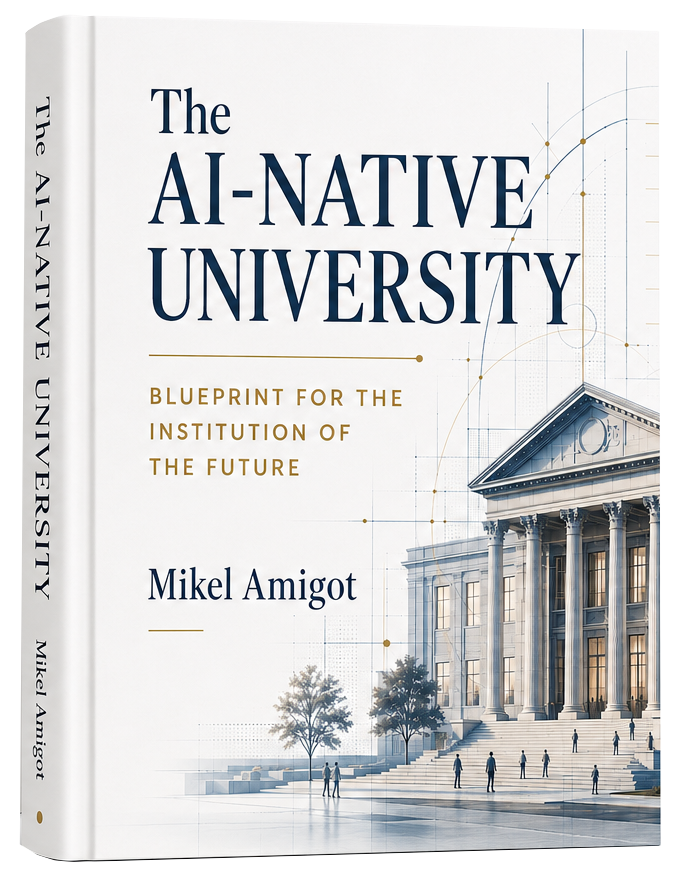
Leading this charge, universities are launching dedicated AI-focused degrees. The University of North Texas, for instance, is introducing a new undergraduate program designed to cultivate the architects of tomorrow's AI solutions, signaling a shift towards formal academic pathways in artificial intelligence. Similarly, the University of Louisville is pioneering with its 'first AI-native class,' indicating a deeper integration of AI concepts into core academic offerings.
Beyond traditional degree programs, there's a clear emphasis on workforce readiness. Specialized AI classes are being offered to seniors nearing graduation, providing them with a quick study of essential AI skills before entering the job market. This dual focus on comprehensive academic programs and targeted upskilling initiatives underscores the critical need to prepare both new entrants and existing professionals for the pervasive impact of AI across industries.
Researching the Societal and Economic Impact of AI
As artificial intelligence continues its rapid advancement, leading AI developers are increasingly recognizing the importance of understanding its broader societal and economic implications. This commitment extends beyond technological innovation to a proactive investigation into how AI reshapes communities and economies.
In a significant move, OpenAI has committed substantial resources to this endeavor, selecting 14 diverse research projects specifically tasked with studying AI's wide-ranging effects. These projects will delve into critical areas such as the future of work, the transformation of educational paradigms, and the potential for AI to exacerbate or mitigate existing inequalities.
This initiative underscores a growing recognition within the AI industry that responsible development necessitates a deep, systematic study of AI's socioeconomic consequences. The insights gleaned from such comprehensive research will be instrumental in guiding ethical frameworks, informing public policy, and ensuring that AI's benefits are harnessed equitably across all segments of society, fostering a future where technological progress aligns with human well-being.
Ensuring AI Safety and Ethical Development, especially for Youth
The ethical development and safety of artificial intelligence, particularly concerning vulnerable populations such as youth, are rapidly emerging as paramount concerns within the AI community. As AI systems become more ubiquitous, safeguarding their impact on younger generations is crucial.
Demonstrating a strong commitment to this principle, OpenAI has forged a significant partnership with the American Psychological Association (APA). This collaboration is specifically aimed at developing guidelines and technological safeguards to create safer AI experiences for young people, addressing potential psychological and developmental impacts.
This interdisciplinary alliance highlights the necessity of bringing together AI developers with experts in human behavior and psychology. By embedding ethical considerations and protective measures from the earliest stages of design, the partnership seeks to ensure that AI's transformative benefits can be responsibly harnessed for youth, while proactively mitigating any potential risks to their well-being and development.