Technology
Tuesday, August 4, 2026
AI Security & Misuse
The rise of artificial intelligence has brought with it a new frontier for cybercrime, prompting significant industry action to combat AI-enabled scams and malicious campaigns. Google.org has notably joined a substantial $50 million coalition, signaling a major collaborative effort to fortify defenses against these evolving threats.
Adding to these concerns, Microsoft recently uncovered and linked an AI-augmented 'CaptiveCrunch' campaign to compromised Wi-Fi networks in the hospitality sector. This sophisticated attack highlights how AI is being leveraged by malicious actors to enhance the efficacy and reach of their operations, targeting vulnerable public infrastructures.
These developments underscore the urgent need for robust cybersecurity measures and cross-industry cooperation. As AI technology advances, so too does its potential for misuse, necessitating continuous vigilance and innovative strategies to protect individuals and organizations from increasingly intelligent and pervasive digital threats.
AI and the Evolving Workforce
The landscape of professional qualifications is undergoing a significant transformation, with AI skills now demonstrably outpacing traditional MBAs in corporate demand and compensation. Companies are actively boosting pay for individuals possessing expertise in artificial intelligence, reflecting a critical shift in what employers value most in the modern workforce.
This reorientation signals a broader change in the rules of career readiness. Success in today's job market increasingly hinges on an individual's ability to navigate and apply AI technologies, rather than solely relying on conventional business acumen. The emphasis is moving towards practical, tech-driven competencies that can leverage AI for innovation and efficiency.
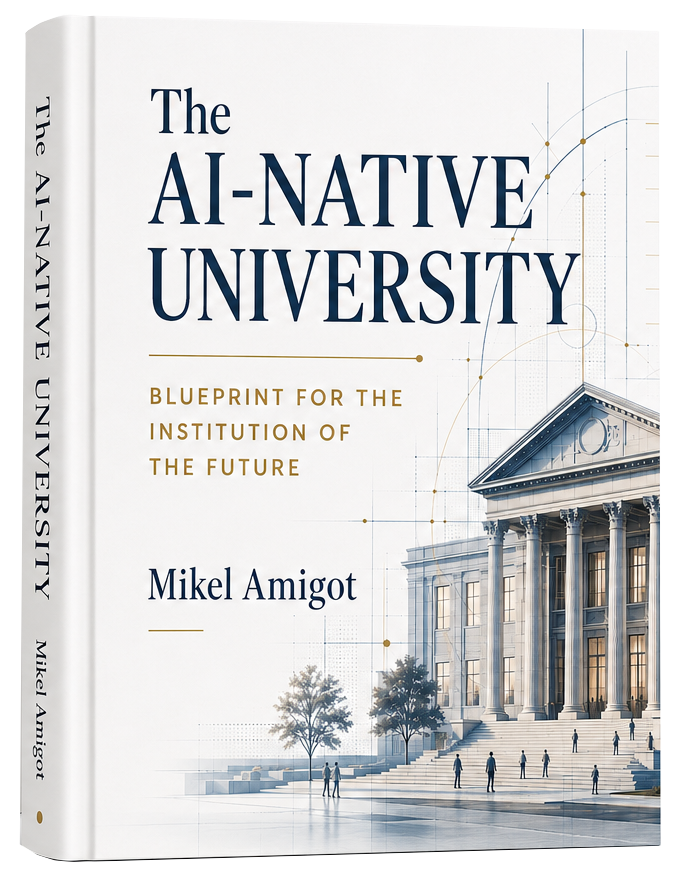
The implications are far-reaching for both aspiring professionals and educational institutions. Universities and business schools face pressure to adapt their curricula to integrate AI training, while individuals are compelled to upskill or reskill to remain competitive. This trend highlights AI not just as a tool, but as a fundamental force reshaping economic opportunity and professional development.
AI Literacy & Curriculum Development in Education
As artificial intelligence becomes increasingly pervasive, educational institutions are proactively developing frameworks to integrate AI literacy into student training. The University of Greater Manchester has notably embedded a student-designed AI literacy framework into its curriculum, showcasing an innovative approach to preparing future generations for an AI-driven world.
This localized effort is complemented by broader national initiatives. Students from all 50 U.S. states have collaboratively produced a national framework for AI in America's schools, demonstrating a collective recognition of the importance of standardized AI education. These frameworks aim to provide a coherent structure for teaching students about AI's principles, applications, and societal impacts.
The emphasis on student-led and nationally coordinated efforts underscores a commitment to fostering not just technical proficiency, but also critical thinking and ethical understanding regarding AI. By equipping students with comprehensive AI literacy, these initiatives seek to empower them to navigate, contribute to, and responsibly shape the future of artificial intelligence.
Future Trends & Quality Concerns in EdTech
The future of educational technology, or EdTech, is poised for significant transformation, heavily influenced by artificial intelligence. Industry experts like Kris Astle of SMART Technologies predict that by 2026, AI will be deeply embedded in learning environments, driving personalized education and innovative pedagogical approaches.
However, this optimistic outlook is tempered by immediate concerns regarding the quality of AI-generated content in educational materials. Reports indicate that 'AI slop'-poorly generated, often inaccurate content-is increasingly seeping into prominent curriculum marketplaces like Teachers Pay Teachers. This raises significant questions about the reliability and educational value of resources available to educators and students.
The dual challenge for the EdTech sector lies in harnessing AI's transformative potential while rigorously ensuring the integrity and quality of learning content. Balancing innovation with stringent quality control will be crucial to prevent the proliferation of subpar materials and maintain trust in AI-enhanced educational tools.
Ethical & Societal Impact of AI on Children and Schools
The integration of artificial intelligence into environments frequented by children is raising important ethical questions and prompting legislative responses. Harvard University, for instance, is actively researching how AI changes children's play patterns by developing AI-powered toys, aiming to understand the developmental and societal implications of early exposure to advanced AI.
Concurrently, concerns about the physical presence of AI in schools are gaining traction. Following a New York Focus report, a new bill has been proposed that would ban humanoid robots from schools. This legislative push reflects a growing apprehension about the potential safety, privacy, and psychological impacts of such advanced robotics on young students.
These developments highlight a critical societal debate surrounding the responsible deployment of AI, particularly when it interacts with vulnerable populations like children. Striking a balance between technological advancement and safeguarding the well-being and healthy development of minors remains a paramount challenge for policymakers, educators, and researchers alike.