U.S. & World
Monday, August 3, 2026
Middle East Tensions and Iran Policy
Tensions surrounding US policy towards Iran continue to be a focal point, with reports indicating growing frustration among President Trump's closest Gulf allies regarding his Iran war strategy. This dissatisfaction suggests a potential rift in regional alliances as the US navigates its approach to the Islamic Republic.
Adding to the complexity, a concerning report suggests that US CENTCOM may have deployed a 900kg bomb on a civilian residence in southern Iran. Such an incident, if confirmed, would escalate humanitarian and geopolitical concerns, drawing scrutiny to US military operations in the region.
Amidst these developments, there are indications of shifting US diplomatic efforts. Oil prices reportedly tumbled following news that President Trump cancelled a planned attack on Iran, opting instead to pursue a nuclear deal. This move signals a potential pivot towards de-escalation and a renewed focus on diplomatic resolutions, despite the underlying military and political pressures in the volatile Middle East.
Global Currency Market Interventions
In a significant move to counter the rapid depreciation of the Japanese Yen, Japan and the United States have confirmed a rare joint intervention in currency markets. This coordinated action underscores the seriousness with which both nations view the yen's volatility and its potential impact on global economic stability.
The intervention proved immediately effective, as the Japanese Yen experienced a notable leap in value following the announcement. This sharp appreciation came at the expense of the US Dollar, which saw its value bruised against the strengthened yen.
Such joint interventions are uncommon and typically reserved for periods of extreme market instability, signaling a strong commitment from both Tokyo and Washington to maintain orderly currency markets. The immediate market reaction highlights the power of coordinated international efforts in influencing global financial dynamics and addressing currency imbalances.
Escalation of Ukraine Conflict
The conflict in Ukraine has seen a significant escalation, with Russia launching heavy bombardments on Kyiv, resulting in the deaths of 10 people. These renewed attacks underscore the ongoing intensity of the war and its devastating humanitarian toll on Ukrainian civilians.
Compounding Ukraine's challenges, the nation has reported a critical shortage of Patriot interceptor missiles, essential components of its air defense system. This dwindling supply leaves Ukrainian cities increasingly vulnerable to Russian aerial assaults, raising urgent concerns about the country's ability to protect its population and critical infrastructure.
Meanwhile, an explosion in Moscow claimed three lives, though details surrounding the incident's nature and potential links to the broader conflict remain unclear. This event, whether retaliatory or otherwise, adds another layer of complexity to the volatile geopolitical landscape surrounding the Russia-Ukraine war.
Public Safety and Disaster Response
Tragedy struck in Indonesia as a ferry fire claimed the lives of five individuals, with an additional 41 people reported missing. This devastating incident highlights persistent concerns regarding maritime safety standards and emergency response protocols in the region, prompting urgent calls for investigation and improved safety measures.
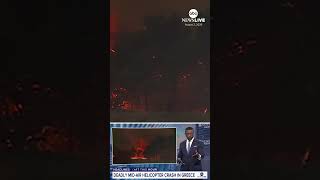
Concurrently, Europe's ongoing wildfire emergency has been compounded by a serious incident near Athens, Greece, where two firefighting helicopters collided mid-air. This collision not only resulted in casualties but also hampered critical efforts to control the raging wildfires that have plagued the continent.
These separate but equally critical events underscore the diverse public safety challenges faced globally, from ensuring safe transportation at sea to protecting communities from natural disasters. Both incidents demand thorough investigations to prevent future tragedies and improve the effectiveness and safety of emergency services worldwide.
Domestic Political and Security Developments
In the United States, presidential hopeful RFK Jr. ignited controversy during a fiery CNN interview, where he publicly targeted Dr. Anthony Fauci and propagated medical misinformation. His comments have reignited debates about the role of public figures in disseminating health information and the integrity of political discourse, drawing sharp criticism from public health experts.
Across the globe, Pakistan experienced a horrific suicide blast during a peace rally in the Khyber Pakhtunkhwa (KPK) province, which resulted in the deaths of 14 people and left several others injured. This act of violence underscores the persistent security challenges and extremist threats facing the nation, particularly in regions prone to militant activity.
These two distinct events, while geographically and contextually separate, highlight the multifaceted nature of domestic challenges nations face. From the battle against misinformation and political polarization in the West to the struggle against terrorism and violence in South Asia, both incidents reflect critical internal pressures impacting public safety, social cohesion, and national stability.