U.S. & World
Friday, October 2, 2026
Geopolitical Tensions & Foreign Policy
Global geopolitical tensions remain a focal point, with major developments emerging from Asia, the Middle East, and the Red Sea region. China's President Xi Jinping has reportedly set a 2050 deadline for Taiwan's integration, according to a Chatham House analysis, signaling long-term strategic ambitions that could significantly reshape the Indo-Pacific.
Adding to the complex international landscape, Somaliland's strategic location has positioned it at the center of the Red Sea security debate, underscoring the critical importance of maritime trade routes and regional stability. Meanwhile, former US President Donald Trump issued a fresh warning regarding Iran, indicating continued scrutiny and potential escalation of tensions in the Middle East.
Further complicating the US's diplomatic efforts in the region, a CNN investigation has raised questions over Jared Kushner's Gaza diplomacy and his associated business interests. This inquiry highlights potential conflicts of interest and their implications for US foreign policy credibility, particularly concerning sensitive peace processes and humanitarian efforts.
US Domestic Policy & Governance
Domestic policy in the United States is grappling with critical issues spanning law enforcement conduct and the justice system. The Immigration and Customs Enforcement (ICE) agency has issued new instructions regarding vehicle stops, a move that follows recent shootings and aims to refine operational procedures and accountability for its officers.
These new guidelines from ICE underscore a broader effort to address concerns over law enforcement practices and ensure compliance with evolving standards. The guidance is expected to impact how ICE agents conduct their duties, particularly in situations involving vehicle encounters, and is likely a response to public and internal scrutiny.
Concurrently, the state of Tennessee is facing renewed questions after another botched execution, drawing significant attention to the efficacy and ethics of its capital punishment system. This incident reignites debates surrounding execution methods and the broader application of the death penalty, prompting calls for review and transparency in the state's judicial processes.
Economic Policy & Energy Markets
The economic landscape is being shaped by significant developments in monetary policy and international energy strategy. Federal Reserve officials have effectively washed away market bets on an October rate increase, signaling a more cautious approach to monetary tightening than some investors had anticipated.
This shift from the Fed indicates a potential pause or a more patient stance on interest rate adjustments, reflecting ongoing assessments of inflation, employment, and overall economic stability. The decision provides clarity for markets, suggesting that immediate rate hikes are unlikely, which could influence borrowing costs and investment decisions in the near term.
In the realm of energy, former President Trump has suggested that the US may ask European nations to release diesel reserves. This proposal highlights concerns over global energy supply and prices, particularly for crucial fuels like diesel, and points to potential international coordination efforts to stabilize energy markets amidst geopolitical and economic uncertainties.
Advanced Military Technology
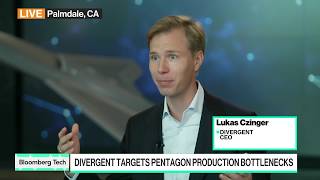
The Pentagon has made a significant strategic move by announcing the establishment of a new four-star military command. This command will be exclusively dedicated to the rapid adoption and integration of advanced autonomous weapon systems, commonly referred to as 'killer robots,' into the US military's operational framework.
This development underscores a major shift in defense strategy, emphasizing the acceleration of technological advancements in warfare. The creation of such a high-level command signals the Pentagon's commitment to maintaining a technological edge and incorporating artificial intelligence and robotics more deeply into its combat capabilities and planning.
The move is expected to have far-reaching implications, not only for the future of warfare and military ethics but also for international arms control discussions. It highlights a proactive approach by the United States to harness emerging technologies, while also raising critical questions about the control, accountability, and potential consequences of deploying autonomous lethal systems on a larger scale.
International Incident & Recovery
An update has emerged regarding the health and recovery of Flydubai pilot Smit Machchhar, following an incident that garnered international attention. The Indian Embassy has confirmed that the pilot is reported to be 'in good health' and is recovering well.
This reassuring statement from the diplomatic mission provides crucial information about the individual's condition. While details of the specific incident are not elaborated in the headline, the embassy's update focuses on the positive progress of the pilot's recovery, which is likely a relief to his family, colleagues, and the public.
The report underscores the importance of timely and official updates in cases involving international personnel, particularly in the aviation sector. The confirmation of his good health serves to alleviate concerns that may have arisen following the undisclosed incident, marking a positive step in his recuperation process.