U.S. & World
Sunday, November 1, 2026
North Korean Provocations & Cyber Warfare
North Korea has reportedly tested a new cluster warhead and aims for military deployment by the end of 2026, signaling an escalation in its weapons program. This development follows a period of heightened missile tests and nuclear rhetoric from Pyongyang, raising concerns among international observers about regional stability.
Concurrently, the FBI has attributed the largest cryptocurrency hack in history, involving billions stolen from Binance, to North Korean state-sponsored actors. This sophisticated cyber operation underscores Pyongyang's reliance on illicit financial activities to fund its weapons development and circumvent international sanctions.
These dual strategies highlight a significant and multifaceted threat posed by North Korea. While its military advancements directly challenge regional security, its aggressive cyber warfare operations destabilize global financial systems and present a unique challenge to international law enforcement and cybersecurity efforts. The combination of these actions paints a picture of a regime determined to advance its strategic capabilities through any means.
US Election Integrity & Political Interference
Concerns over potential election interference are mounting in the United States, as California Governor Gavin Newsom has sent a letter to top federal judges in the state, warning of possible interference by the Trump administration. This action underscores anxieties regarding the impartiality and fairness of upcoming electoral processes.
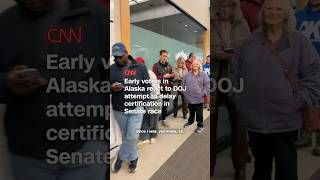
Further reinforcing these concerns, a federal judge has issued a significant ruling, barring the Department of Justice (DoJ) from threatening election workers to prevent them from processing ballots. This judicial intervention aims to protect the autonomy and proper functioning of election administration, ensuring that workers can perform their duties without intimidation.
These developments highlight a proactive stance by both state-level officials and the judiciary to uphold democratic principles and prevent any attempts to undermine the integrity of the voting system. The focus remains on securing the electoral process against political pressure and ensuring that all legal ballots are processed fairly, reflecting ongoing efforts to maintain public trust in American elections.
International Diplomatic Standoffs & Global Relations
Global diplomatic tensions were evident when the United States canceled the traditional G20 'family photo' after key allies, including Australia and the UK, refused to appear alongside Russia. This move highlights ongoing international condemnation of Russia's actions and a deepening divide among world powers, preventing a unified front at a major economic summit.
In another development touching on international relations, Senator Marco Rubio clarified that the U.S. government did not facilitate former Brazilian President Bolsonaro's flight to the United States. This statement addresses speculation surrounding the circumstances of Bolsonaro's arrival in the U.S., emphasizing the official stance that there was no direct governmental assistance.
These incidents collectively underscore a period of complex and often strained international relations. From the symbolic refusal to share a stage with Russia at the G20, signaling diplomatic isolation, to clarifying the U.S. role in the movements of a controversial foreign leader, the global political landscape is marked by careful positioning and heightened scrutiny of international partnerships and sovereignty.
Public Safety Crises & Disasters
Several critical public safety incidents have emerged globally, demanding immediate attention. In Nigeria, the NCDC has identified two new suspected cases of Ebola, prompting concerns about a potential outbreak and the need for rapid public health intervention to contain the spread of the deadly virus.
Tragically, Spain experienced a devastating high-speed train collision that resulted in the deaths of at least 68 people. This catastrophic accident highlights the inherent risks of transportation systems and underscores the urgent need for thorough investigations into safety protocols and infrastructure.
Meanwhile, Moscow's Tsaritsyno Museum Reserve has been placed under a security alert, indicating a credible threat to a significant public and cultural site. Such alerts necessitate swift responses from security forces to protect civilians and critical infrastructure. These varied incidents collectively emphasize the constant challenges faced by authorities worldwide in ensuring the safety and security of their populations from both natural and man-made dangers.
European Social Unrest
France has recently experienced widespread protests, which, while largely peaceful, culminated in clashes between police and masked rioters. These incidents underscore persistent social unrest within the country, often fueled by various grievances ranging from economic policies to civil liberties.
The transition from peaceful demonstrations to violent confrontations with authorities highlights the volatile nature of public dissent. Masked individuals engaging in rioting often escalate situations, challenging law enforcement's efforts to maintain order and protect public safety during demonstrations.
Such events are indicative of broader societal challenges in Europe, where public frustration can quickly manifest into civil disturbances. The ongoing cycle of protests and clashes calls for deeper examination of the underlying causes and effective strategies for de-escalation and addressing citizen concerns to prevent further violence and maintain social cohesion.